When it comes to enhancing the value of your home, few elements are as impactful as flooring. Flooring serves not only as a functional aspect of your living space but also plays a pivotal role in shaping the overall aesthetic and ambiance of your home. The right flooring choice can create a welcoming atmosphere, while poor selections can detract from the appeal of even the most beautifully designed interiors. Understanding the importance of flooring is essential for homeowners looking to maximize their property’s value.Flooring is often one of the first things potential buyers notice when they enter a home.
It sets the tone for the entire space and can significantly influence their perception of quality and care. High-quality flooring options, such as hardwood or luxury vinyl, can evoke feelings of warmth and sophistication, making a lasting impression that can lead to quicker sales and higher offers. Conversely, outdated or damaged flooring can raise red flags for buyers, leading them to question the overall condition of the home.Moreover, the impact of flooring extends beyond mere aesthetics; it also affects functionality and maintenance. Different materials offer varying levels of durability, ease of cleaning, and comfort underfoot.
For instance, while carpet may provide warmth in bedrooms, it may not be suitable for high-traffic areas like hallways or kitchens where spills are more likely. By carefully considering how each type of flooring aligns with both lifestyle needs and market trends, homeowners can make informed decisions that enhance their property’s appeal.In summary, flooring is a critical component in determining your home’s value. It influences buyer perceptions, enhances aesthetic appeal, and contributes to the overall functionality of your living space. As we delve deeper into this topic, we will explore how specific flooring choices can elevate your home’s marketability and ensure you achieve the best possible return on your investment.
Choosing the Right Flooring Material
When it comes to enhancing your home’s value through flooring, selecting the right material is crucial.Each flooring option has its unique characteristics, benefits, and drawbacks. Understanding these can help you make an informed decision that aligns with your home’s style and your budget.
Hardwood Flooring
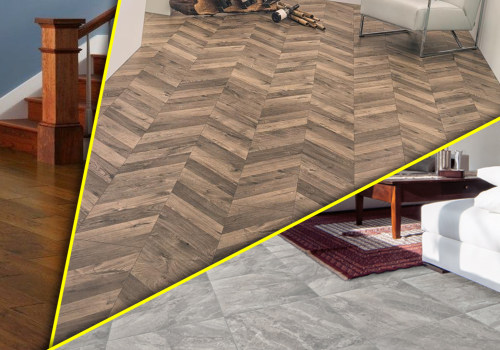
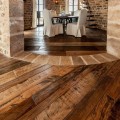
Hardwood flooringHardwood flooring
is often regarded as the gold standard in flooring materials. Its natural beauty and durability make it a favorite among homeowners and real estate agents alike. Here are some key points to consider:
- Pros: Hardwood floors can last for decades with proper care, and they can significantly increase your home’s resale value.
They also offer a timeless aesthetic that appeals to a wide range of buyers.
- Cons: The initial cost can be high, and hardwood is susceptible to scratches and water damage if not maintained properly.
Luxury Vinyl Flooring
Luxury vinyl flooring
has gained popularity as a cost-effective alternative to hardwood. It mimics the appearance of wood or stone while providing excellent durability.
- Pros: This material is water-resistant, making it ideal for kitchens and bathrooms. It’s also easier to install and maintain compared to hardwood.
- Cons: While luxury vinyl can look stunning, it may not add as much value to your home as genuine hardwood.
Tile Flooring
Tile flooring
, particularly ceramic or porcelain, is another excellent option for homeowners looking to maximize value. It’s versatile and comes in various styles, colors, and patterns.
- Pros: Tile is incredibly durable and resistant to moisture, making it perfect for bathrooms and kitchens.
It’s also easy to clean and maintain.
- Cons: The installation process can be labor-intensive and costly. Additionally, tile can feel cold underfoot, which may not be ideal for all homeowners.
Carpet Flooring
Carpet flooring
offers warmth and comfort, making it a popular choice for bedrooms and living areas. However, its impact on home value can vary.
- Pros: Carpet provides insulation and sound absorption, creating a cozy atmosphere. It’s also available in numerous styles and colors.
- Cons: Carpets can stain easily and may require more maintenance than hard surfaces.
They may not appeal to all buyers, especially those with allergies.
The Aesthetic Appeal: Aligning Flooring with Home Style
When it comes to enhancing the value of your home, the aesthetic appeal of your flooring plays a crucial role. Flooring is not just a functional element; it significantly influences the overall ambiance and style of your living space.Therefore, aligning your flooring choice with your home’s architectural style is essential for creating a cohesive look that resonates with potential buyers.
Understanding Architectural Styles
- Traditional Homes: These homes often feature classic designs with rich details. For traditional settings, hardwood flooring is an excellent choice, particularly in warm tones like oak or cherry. These materials add elegance and warmth, complementing the intricate moldings and classic furnishings typical of traditional homes.
- Modern Homes: Characterized by clean lines and minimalistic designs, modern homes benefit from sleek flooring options. Consider polished concrete or large-format tiles in neutral colors.
These materials enhance the open spaces and create a seamless flow between rooms.
- Rustic or Farmhouse Styles: For homes that embrace a cozy, rustic aesthetic, reclaimed wood or distressed laminate can add character and charm. These flooring options evoke a sense of history and warmth, making them perfect for creating inviting spaces.
- Contemporary Designs: If your home features contemporary architecture, you might opt for luxury vinyl planks that mimic natural materials while offering durability and ease of maintenance. Choose bold colors or patterns to make a statement that aligns with the modern vibe.
Matching Flooring with Decor
Beyond architectural styles, consider how your flooring interacts with existing decor elements. For instance, if you have vibrant wall colors or eclectic furnishings, neutral flooring can provide a balanced backdrop that allows other design features to shine.
Conversely, if your decor is more subdued, you might choose flooring with unique textures or patterns to add visual interest.Ultimately, selecting flooring that complements both your home’s style and decor will not only enhance its aesthetic appeal but also increase its marketability. By making thoughtful choices that reflect the character of your home, you can create an inviting atmosphere that attracts potential buyers and maximizes your investment.
Functional Considerations: Flooring for Different Rooms
When selecting flooring for your home, it’s essential to consider the specific needs of each room. Different areas of your house have unique requirements based on their function, foot traffic, and exposure to moisture. Here’s a breakdown of the best flooring options for various rooms:Kitchen
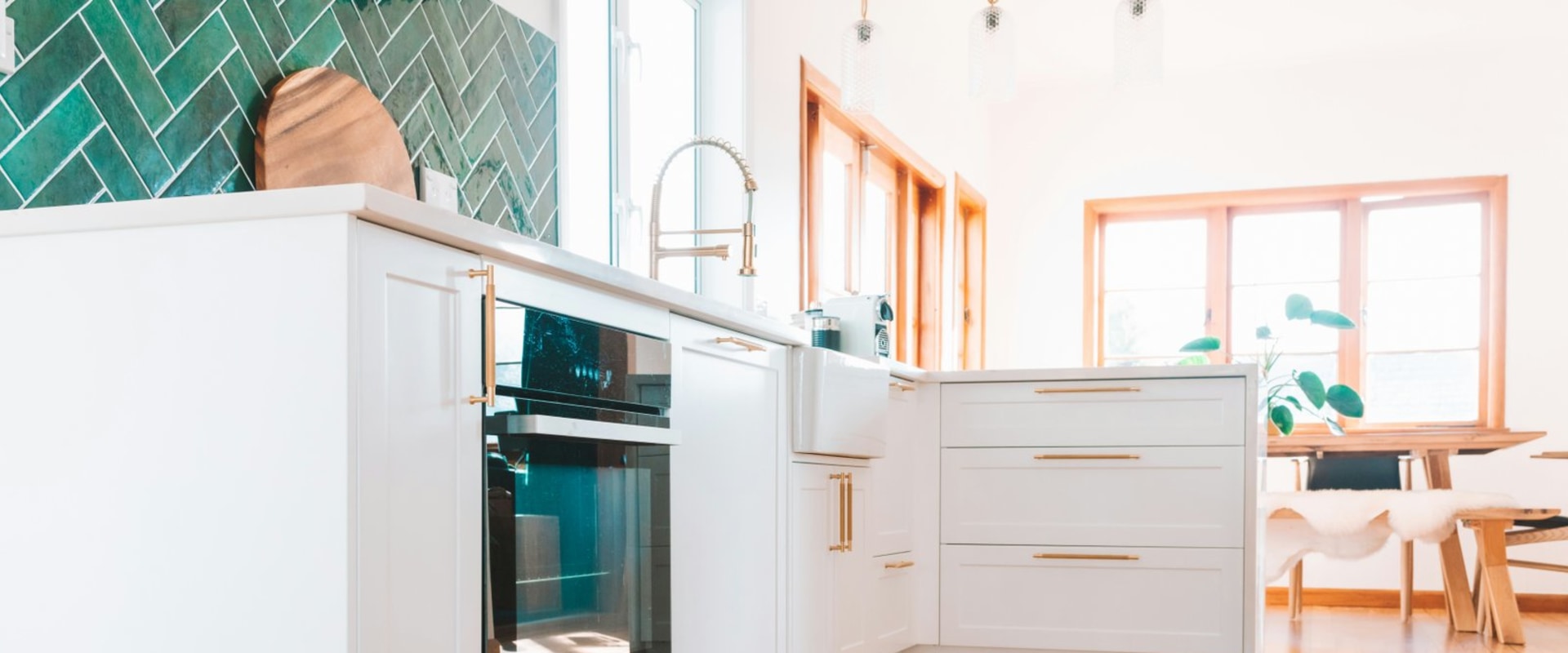
The kitchen is often the heart of the home, where durability and ease of maintenance are paramount.Tile is a popular choice due to its resistance to spills and stains, making it easy to clean. Additionally, ceramic or porcelain tiles can withstand heavy foot traffic and are available in a variety of styles that can mimic natural stone or wood.
- Luxury Vinyl Plank (LVP) : This option offers the look of hardwood while being waterproof and scratch-resistant, making it ideal for kitchens.
- Laminate : While not as durable as tile or LVP, laminate can be a cost-effective choice if you prefer a wood-like appearance.
Bathroom
Bathrooms require flooring that can handle moisture without warping or becoming slippery. Vinyl flooring , particularly luxury vinyl tiles (LVT), is an excellent choice due to its water resistance and comfort underfoot. Additionally, ceramic tiles are also a great option, especially when paired with slip-resistant finishes.- Natural Stone : While beautiful, natural stone requires more maintenance and sealing to prevent water damage.
- Cork Flooring : This eco-friendly option is naturally resistant to mold and mildew, making it suitable for bathrooms.
Living Room
The living room is where style meets comfort.Here, you can choose from a variety of flooring options that enhance the aesthetic appeal while providing comfort:
- Hardwood Floors : Timeless and elegant, hardwood adds warmth and value to your home. It’s durable and can be refinished multiple times.
- Carpet : For those who prioritize comfort, carpet provides a cozy feel underfoot. Opt for stain-resistant fibers for longevity.
- Laminates : If you want the look of wood without the price tag, laminate is a practical alternative that offers various designs.
Bedroom
The bedroom should be a sanctuary, so comfort is key when choosing flooring. Soft surfaces like carpet are popular for their warmth and sound-absorbing qualities.However, if you prefer hard surfaces:
- Cork Flooring : This option is soft underfoot and provides excellent insulation against sound.
- Bamboo Flooring : An eco-friendly choice that offers durability and a unique aesthetic.
The Importance of Professional Installation
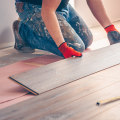
When it comes to installing new flooring, the importance of professional installation cannot be overstated. While many homeowners may be tempted to take on this task themselves to save money, the risks associated with DIY flooring installation can lead to costly mistakes and unsatisfactory results.One of the most common pitfalls of DIY flooring installation is improper measurement. Accurate measurements are crucial for ensuring that you purchase the right amount of material and that it fits perfectly in your space.A professional installer has the experience and tools necessary to take precise measurements, reducing the likelihood of waste and ensuring a seamless fit.Another frequent issue arises from inadequate preparation of the subfloor. A professional will assess the condition of your subfloor and make any necessary repairs before laying down new flooring. This step is vital because an uneven or damaged subfloor can lead to problems such as squeaking, warping, or even premature wear of your new floors.Moreover, different types of flooring materials require specific installation techniques. For instance, hardwood floors need to be acclimated to the room's humidity and temperature before installation, while tile requires a level surface and proper adhesive application.
Professionals are well-versed in these requirements and can ensure that your flooring is installed according to manufacturer specifications, which is essential for maintaining warranties.Additionally, hiring a professional contractor can save you time and stress. Flooring installation can be a labor-intensive process that requires significant effort and attention to detail. By entrusting this task to experts, you can focus on other important aspects of your home improvement project while they handle the intricacies of installation.When selecting a contractor for your flooring project, consider the following tips:
- Research: Look for contractors with positive reviews and a solid reputation in your area.
- Ask for References: Request references from previous clients to gauge their satisfaction with the contractor's work.
- Get Multiple Quotes: Obtain estimates from several contractors to compare pricing and services offered.
- Check Credentials: Ensure that the contractor is licensed, insured, and experienced in installing the type of flooring you have chosen.
Avoiding Common Pitfalls in Flooring Choices
When it comes to selecting new flooring, homeowners often find themselves navigating a complex landscape of choices.While the right flooring can enhance your home’s aesthetic and value, there are several common pitfalls that can lead to regret down the line. Understanding these mistakes is crucial for making informed decisions that will stand the test of time.
1.Following Trends Too Closely
One of the most significant mistakes homeowners make is choosing flooring based on fleeting trends. While it might be tempting to install the latest patterned tile or bold-colored laminate, these choices can quickly become outdated. Instead, consider opting for classic styles and neutral colors that appeal to a broader audience.
For instance, traditional hardwood or simple ceramic tiles tend to have lasting appeal and can seamlessly fit into various design aesthetics.
2.Ignoring Functionality
Another common error is neglecting the practical aspects of flooring selection. Each room in your home serves a different purpose, and the flooring should reflect that. For example, high-traffic areas like hallways and living rooms benefit from durable materials such as engineered wood or luxury vinyl, while moisture-prone areas like bathrooms require water-resistant options like porcelain tile. Failing to consider functionality can lead to premature wear and tear, ultimately costing you more in repairs or replacements.
3.Skimping on Quality
While budget constraints are a reality for many homeowners, opting for the cheapest flooring option can backfire.
Low-quality materials may save you money upfront but often lead to higher costs in the long run due to frequent repairs or replacements. Investing in quality flooring not only enhances your home’s value but also ensures longevity and durability.
4.Overlooking Installation
The importance of proper installation cannot be overstated. Even the best flooring materials can fail if not installed correctly. Homeowners often underestimate the complexity of flooring installation, leading them to attempt DIY projects that may not yield professional results.
Hiring experienced installers ensures that your flooring is laid out correctly, minimizing issues such as warping or uneven surfaces.
5.Failing to Plan for Resale
Finally, many homeowners forget to consider how their flooring choices will impact resale value. Flooring that is too personalized or niche may deter potential buyers when it comes time to sell your home. Always think about how your choices will resonate with future buyers; opting for versatile and timeless options can significantly enhance your home’s marketability.By being aware of these common pitfalls and making thoughtful decisions regarding your flooring, you can create a space that not only meets your current needs but also adds lasting value to your home.
Cost vs. Value: Analyzing Your Investment in Flooring
When considering new flooring, understanding the cost implications versus the potential increase in your home’s value is crucial.Flooring can be a significant investment, and it’s essential to analyze whether this investment will yield a favorable return.First, let’s break down the cost of flooring. The price can vary widely based on the type of material you choose:
- Hardwood: Typically ranges from $5 to $15 per square foot, depending on the species and quality.
- Laminates: Generally more affordable, costing between $1 to $5 per square foot.
- Luxury Vinyl: Offers a balance between cost and aesthetics, usually priced at $2 to $7 per square foot.
- Tile: Can range from $1 to $20 per square foot, depending on the style and material.
According to various real estate studies, homeowners can expect an ROI of approximately 70% to 80% on new flooring installations. However, this figure can fluctuate based on several factors:
- Market Trends: In a competitive real estate market, high-quality flooring can significantly enhance your home’s appeal and value.
- Quality of Materials: Investing in premium materials like hardwood or high-end tiles often yields better returns than cheaper alternatives.
- Home Style: Ensure that your flooring choice complements your home’s overall aesthetic; mismatched styles can detract from value.
- Create a detailed budget: Include all costs associated with purchasing and installing new flooring.
- Research local market trends: Understand what buyers in your area are looking for in terms of flooring.
- Select timeless styles: Opt for classic designs that appeal to a broad range of potential buyers.
Sustainable Flooring Options: Eco-Friendly Choices for Your Home
In today's environmentally conscious world, choosing sustainable flooring options is not just a trend; it's a responsible choice that can significantly enhance the value of your home. Eco-friendly flooring materials not only appeal to buyers who prioritize sustainability but also contribute to a healthier living environment.Here, we will explore some of the most popular and effective sustainable flooring options available.
Bamboo Flooring
Bamboo is one of the most sought-after eco-friendly options for flooring due to its rapid growth and renewability. Unlike traditional hardwoods that can take decades to mature, bamboo can be harvested in just three to five years. This makes it an excellent choice for those looking to minimize their environmental impact. Additionally, bamboo is incredibly durable and resistant to moisture, making it suitable for various areas in the home, including kitchens and bathrooms.Reclaimed Wood
Reclaimed wood is another fantastic sustainable flooring option that adds character and charm to any space.Sourced from old barns, factories, or other structures, reclaimed wood not only reduces waste but also provides a unique aesthetic that new materials cannot replicate. Each plank tells a story, offering a rustic appeal that many buyers find irresistible. Furthermore, using reclaimed wood helps preserve forests by reducing the demand for new lumber.
Cork Flooring
Cork is harvested from the bark of cork oak trees without harming the tree itself, making it a renewable resource. This material is naturally resistant to mold and mildew, making it an excellent choice for allergy sufferers.Cork flooring also provides excellent insulation properties, helping to maintain comfortable temperatures in your home while reducing energy costs.
Linoleum
Often confused with vinyl, linoleum is made from natural materials such as linseed oil, cork dust, and wood flour. It is biodegradable and can last for decades with proper care. Linoleum comes in a variety of colors and patterns, allowing homeowners to achieve their desired aesthetic while remaining eco-conscious.Conclusion
Choosing sustainable flooring options like bamboo, reclaimed wood, cork, and linoleum not only enhances the value of your home but also aligns with the growing demand for green building materials. By investing in eco-friendly flooring, you are making a statement about your commitment to sustainability while appealing to a broader range of potential buyers who value environmental responsibility.FAQs About Flooring and Home Value Enhancement
When considering new flooring for your home, many homeowners have questions about how their choices can affect property value.Here are some frequently asked questions that can help clarify common concerns and misconceptions.
1.Does new flooring really increase home value?
Yes, installing new flooring can significantly enhance your home's value. Quality flooring not only improves aesthetics but also contributes to the overall appeal of your property. According to real estate experts, homes with updated flooring tend to sell faster and at higher prices compared to those with outdated or worn-out floors.2.What types of flooring are best for resale value?
- Hardwood: Often regarded as the gold standard, hardwood floors are highly sought after by buyers and can yield a substantial return on investment.
- Laminates: While not as valuable as hardwood, high-quality laminate can mimic the look of wood at a lower cost, making it an attractive option for budget-conscious homeowners.
- Luxury Vinyl Plank (LVP): This option offers durability and water resistance, making it ideal for areas like kitchens and bathrooms while still providing a stylish appearance.
- Tile: Particularly in wet areas, tile is a practical choice that adds value due to its longevity and ease of maintenance.
3.Should I choose trendy flooring options?
While trendy flooring may seem appealing, it’s essential to consider the long-term implications. Trends can quickly fade, potentially leaving you with a style that may not appeal to future buyers.Instead, opt for classic styles and colors that have broad appeal and can stand the test of time.
4.How important is professional installation?
Professional installation is crucial when it comes to maximizing the value of your new flooring. Poorly installed floors can lead to issues such as warping or uneven surfaces, which can detract from your home’s overall appeal. Hiring experienced professionals ensures that your flooring is installed correctly and looks its best.5.Can I install new flooring myself?
If you have experience with DIY projects, you might consider installing flooring yourself. However, keep in mind that improper installation can lead to costly mistakes down the line.If you’re unsure about your skills or the complexity of the project, it’s wise to hire a professional.By addressing these common questions about flooring and its impact on home value, homeowners can make informed decisions that enhance both their living space and their investment.
Conclusion: Making Informed Decisions for Maximum Value
In summary, the journey to maximizing your home’s value through new flooring is a multifaceted process that requires careful consideration and informed decision-making. Throughout this article, we have explored various aspects of flooring choices, installation, and their impact on your home’s appeal and resale potential.First and foremost, selecting high-quality materials is paramount. Investing in durable and aesthetically pleasing options, such as hardwood or luxury vinyl, can significantly enhance your home’s marketability. Remember that while cheaper alternatives may seem appealing initially, they often lack the longevity and visual appeal that buyers seek.Additionally, it is crucial to align your flooring choices with your home’s overall style.A cohesive design not only attracts potential buyers but also creates a welcoming atmosphere within your living space. Consider the functionality of each room when selecting flooring; for instance, moisture-resistant materials are ideal for bathrooms and kitchens, while cozy carpets may be more suitable for bedrooms.Proper installation cannot be overstated. Engaging a professional ensures that your flooring is laid correctly, which not only enhances its appearance but also extends its lifespan. Poor installation can lead to issues such as warping or uneven surfaces, which can detract from the value you aim to add.Moreover, it’s essential to avoid over-investing in flooring if your current options are still in good condition.
Assessing the necessity of new flooring against its potential return on investment is vital. Sometimes, minor repairs or refinishing existing floors can yield better results than a complete overhaul.Finally, staying away from overly trendy styles can safeguard your investment. Opt for classic designs that appeal to a broader audience; this strategy will help ensure that your home remains attractive to future buyers.By making informed decisions regarding flooring, you not only enhance the aesthetic appeal of your home but also significantly increase its value in the competitive real estate market. With careful planning and execution, new flooring can be one of the most rewarding investments you make in your property.