When it comes to flooring, few materials evoke the same sense of warmth and elegance as hardwood. This classic choice has been a favorite among homeowners and designers for centuries, and its enduring appeal is a testament to its unique qualities. Hardwood flooring not only enhances the aesthetic of any space but also offers a range of practical benefits that make it a top contender in both residential and commercial settings.One of the most compelling reasons to choose hardwood is its remarkable durability. Unlike many other flooring options, hardwood can withstand the test of time, often lasting for decades with proper care.
This longevity makes it a wise investment, as it can significantly increase the value of your property. Additionally, hardwood floors are relatively easy to maintain; regular sweeping and occasional refinishing can keep them looking pristine for years.Beyond durability, hardwood flooring brings an unmatched aesthetic appeal. Available in a variety of species, colors, and finishes, it can complement any design style—from rustic to modern. The natural grain patterns and textures found in hardwood add depth and character to a room, creating an inviting atmosphere that is hard to replicate with synthetic materials.
Furthermore, hardwood's versatility allows it to be used in various settings, from cozy living rooms to bustling commercial spaces.As we delve deeper into the world of hardwood flooring, we will explore its numerous benefits, including its environmental sustainability and health advantages. We will also compare it with other flooring options to help you make an informed decision for your next renovation or building project. Whether you are looking to enhance your home’s charm or create a sophisticated commercial environment, hardwood flooring stands out as a timeless choice that never goes out of style.
The Unique Characteristics of Hardwood Flooring
Hardwood flooring is celebrated not only for its aesthetic appeal but also for its unique characteristics that set it apart from other flooring options. One of the most striking features of hardwood is its natural beauty.Each plank tells a story, showcasing the intricate grain patterns and rich colors that vary from one species to another. This natural variation ensures that no two floors are exactly alike, adding a personalized touch to any space.In addition to its visual appeal, hardwood flooring is renowned for its durability. When properly maintained, hardwood can last for decades, making it a wise investment for homeowners. Unlike other flooring materials that may wear down or become outdated, hardwood can be refinished multiple times, allowing it to regain its original luster and extend its lifespan significantly.
This ability to adapt and rejuvenate contributes to its enduring popularity.When considering hardwood flooring, it's essential to understand the different types of hardwood available. Generally, hardwoods are categorized into two main types: solid hardwood and engineered hardwood. Solid hardwood is milled from a single piece of wood and offers a classic look and feel. It can be sanded and refinished numerous times, making it an excellent choice for long-term use.
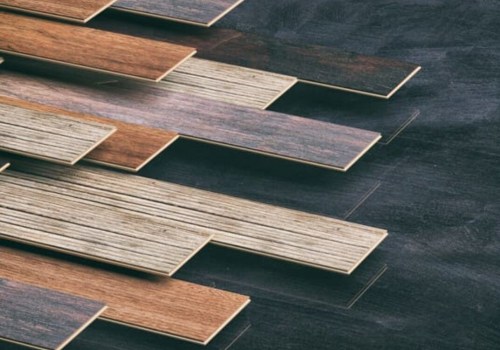
On the other hand, engineered hardwood consists of multiple layers of wood veneer glued together, providing enhanced stability and resistance to moisture, making it suitable for areas where solid wood might not perform as well.The choice of wood species also plays a crucial role in determining the overall look and performance of hardwood flooring. Popular species include:
- Oak: Known for its strength and versatility, oak comes in both red and white varieties, each offering distinct color tones and grain patterns.
- Maple: With its light color and fine grain, maple provides a clean and contemporary look that works well in modern interiors.
- Cherry: Renowned for its rich color that deepens over time, cherry adds warmth and elegance to any room.
- Bamboo: Although technically a grass, bamboo is often classified with hardwoods due to its hardness and sustainability. It offers a unique aesthetic with eco-friendly benefits.
As trends come and go, hardwood remains a steadfast choice for those seeking elegance and longevity in their flooring solutions.
Benefits of Choosing Hardwood Flooring
When it comes to selecting the perfect flooring for your home or business, hardwood flooring stands out as a premier choice due to its myriad benefits. One of the most significant advantages of hardwood is its remarkable longevity. With proper care, hardwood floors can last for decades, often outliving other flooring options such as carpet or laminate. This durability not only makes hardwood a wise investment but also contributes to its timeless appeal.Another compelling reason to choose hardwood is the ease of maintenance it offers.Unlike carpets that trap dust, allergens, and stains, hardwood floors can be easily cleaned with a simple sweep and occasional mopping. This low-maintenance requirement is particularly beneficial for families with children or pets, as it allows for a cleaner and healthier living environment.In addition to longevity and maintenance, hardwood flooring significantly enhances property value. Homes with hardwood floors often sell faster and at higher prices compared to those with other types of flooring. Potential buyers frequently view hardwood as a premium feature, making it an attractive selling point in real estate markets.When comparing hardwood to other flooring materials, such as vinyl or tile, the aesthetic appeal of hardwood is unparalleled.
The natural grains and textures of wood create a warm and inviting atmosphere that synthetic materials simply cannot replicate. Furthermore, hardwood flooring is versatile; it complements various design styles, from rustic to modern.Moreover, hardwood is an environmentally friendly option. Sourced from sustainable forests, many manufacturers offer eco-friendly choices that contribute to a reduced carbon footprint. This aspect appeals to environmentally conscious consumers who prioritize sustainability in their purchasing decisions.In summary, the benefits of choosing hardwood flooring are numerous and compelling.
From its durability and ease of maintenance to its ability to increase property value and aesthetic charm, hardwood remains a top contender in the world of flooring. Whether you are renovating your home or building from scratch, investing in hardwood flooring is a decision that promises lasting rewards.
Design Versatility: How Hardwood Fits Any Style
When it comes to interior design, hardwood flooring stands out as a versatile choice that can seamlessly integrate into a variety of styles. From rustic charm to sleek modernity, hardwood offers a foundation that enhances the aesthetic appeal of any space.Traditional Elegance
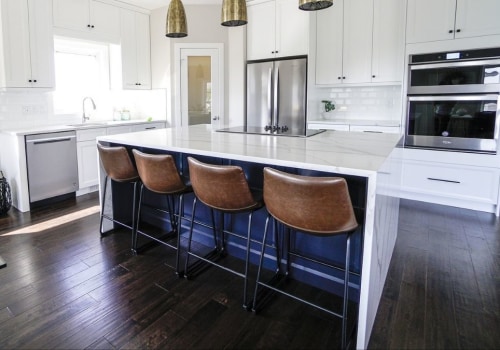
In traditional settings, hardwood flooring exudes warmth and sophistication. Rich, dark woods like mahogany or walnut can create a sense of grandeur, especially when paired with ornate furniture and classic decor.
To enhance this look, consider adding area rugs that complement the wood tones while providing comfort and texture. Crown molding and wainscoting can further elevate the elegance of a traditional room, making hardwood an ideal choice for dining rooms and formal living spaces.
Modern Minimalism
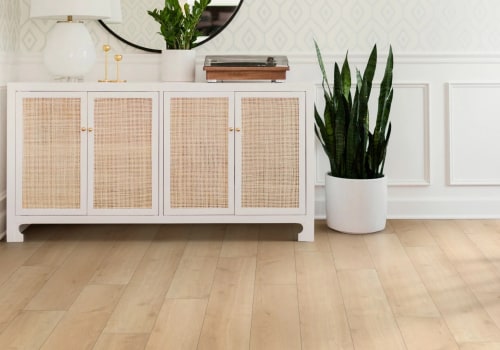
For those drawn to contemporary design, lighter woods such as ash or maple can provide a clean and airy feel. The simplicity of these materials aligns perfectly with minimalist aesthetics, where less is more. Open floor plans benefit from the seamless flow that hardwood offers, allowing natural light to bounce off the surfaces.
To maintain a modern vibe, opt for sleek furniture with clean lines and incorporate metallic accents that contrast beautifully with the natural wood grain.
Rustic Charm
In rustic or farmhouse-style interiors, reclaimed hardwood flooring adds character and history to a space. The unique imperfections and variations in color tell a story that enhances the overall ambiance. Pairing reclaimed wood with vintage furnishings and soft textiles creates a cozy atmosphere perfect for family gatherings. Consider using wide planks for a more authentic rustic look, and complement them with earthy tones in your decor.
Eclectic Fusion
Hardwood flooring also shines in eclectic designs where various styles converge.
Mixing different wood finishes can create visual interest while maintaining cohesion through color palettes. For instance, pairing light oak floors with darker furniture pieces can create a striking contrast that draws the eye. Incorporating bold artwork and unique accessories will further enhance the eclectic vibe, making your space truly one-of-a-kind.In conclusion, whether you lean towards traditional elegance or modern minimalism, hardwood flooring provides an adaptable canvas for your interior design dreams. Its ability to complement various styles not only enhances the beauty of your home but also adds lasting value.
The Aging Process: Why Hardwood Gets Better with Time
One of the most captivating aspects of hardwood flooring is its ability to age gracefully, transforming over time into a stunning representation of its history and character.Unlike synthetic materials, hardwood is a natural product that evolves with its environment, leading to a unique aesthetic that cannot be replicated. This aging process is not merely a sign of wear; it is a testament to the enduring beauty and resilience of wood.As hardwood floors are exposed to sunlight, foot traffic, and the natural elements of your home, they develop a distinctive patina. This patina is a subtle sheen that forms on the surface of the wood, enhancing its color and depth. Over time, the once-bright finish may mellow into richer tones, creating an inviting atmosphere that adds warmth to any space.
The transformation can vary significantly depending on the type of wood, the finish applied, and the conditions in which it resides.For instance, oak flooring often develops a golden hue as it ages, while cherry wood can deepen into a rich reddish-brown. These changes are not just visually appealing; they also reflect the life lived on these floors. Each scratch and scuff tells a story, contributing to the overall charm and character of your home.Moreover, this natural aging process enhances the value of hardwood flooring. Homebuyers often seek out properties with well-maintained hardwood floors because they appreciate the unique beauty that comes with age.
A well-aged floor can serve as a focal point in your home, drawing attention and admiration from guests.To maintain the allure of your hardwood flooring as it ages, regular care is essential. Simple practices such as sweeping or vacuuming to remove dirt and debris, along with periodic refinishing, can help preserve its beauty for years to come. Additionally, using area rugs in high-traffic zones can protect against excessive wear while allowing the natural aging process to continue.In conclusion, the aging process of hardwood flooring is one of its most appealing features. The development of a unique patina not only enhances its visual appeal but also adds significant value to your home.
Embracing this natural evolution allows homeowners to appreciate their flooring as a living element that grows more beautiful with time.
Maintenance Tips for Hardwood Flooring
Maintaining hardwood flooring is essential to preserving its beauty and extending its lifespan. With the right care, your hardwood floors can remain stunning for decades. Here are some practical tips to help you keep your floors in top condition.Regular Cleaning
One of the most important aspects of maintaining hardwood floors is regular cleaning. Dust, dirt, and debris can scratch the surface over time, dulling its finish.To prevent this:
- Sweep or vacuum your floors at least once a week. Use a soft-bristle broom or a vacuum designed for hardwood to avoid damaging the finish.
- Mop your floors with a damp mop every month. Avoid using excessive water, as it can seep into seams and cause warping.
- For deeper cleaning, consider using a wood floor cleaner that is specifically formulated for hardwood surfaces.
Protective Measures
Taking preventive measures can significantly reduce wear and tear on your hardwood flooring:- Use area rugs in high-traffic areas to protect against scratches and scuffs.
- Place felt pads under furniture legs to prevent scratches when moving items around.
- Avoid wearing shoes with hard soles on your hardwood floors to minimize damage.
Avoid Common Mistakes
While caring for hardwood flooring may seem straightforward, there are common mistakes that can lead to damage:- Never use harsh chemicals or abrasive cleaners, as they can strip the finish and damage the wood.
- Avoid excessive moisture. Always wring out mops thoroughly before cleaning to prevent water from pooling on the surface.
- Don’t ignore spills.
Clean up any liquid spills immediately to prevent staining or warping.
Sustainability and Environmental Impact of Hardwood Flooring
As the world becomes increasingly aware of environmental issues, the demand for sustainable flooring options has surged. Among these, hardwood flooring stands out not only for its aesthetic appeal but also for its potential to be an eco-friendly choice when sourced responsibly. Understanding the sustainability of hardwood involves examining the entire lifecycle of the product, from forest management to installation and beyond.One of the primary factors that contribute to the sustainability of hardwood flooring is responsible sourcing.Many manufacturers now adhere to strict guidelines that ensure their wood comes from sustainably managed forests. Organizations such as the Forest Stewardship Council (FSC) certify forests that meet rigorous environmental and social standards. By choosing FSC-certified hardwood, consumers can be confident that their flooring is sourced from forests that are managed in a way that preserves biodiversity, protects water quality, and respects the rights of local communities.In addition to responsible sourcing, hardwood flooring offers several environmental benefits:
- Carbon Sequestration: Trees absorb carbon dioxide as they grow, which helps mitigate climate change. When hardwood is harvested sustainably, it continues to store carbon even after it has been processed into flooring.
- Longevity: Hardwood floors are known for their durability and can last for decades, reducing the need for frequent replacements.
This longevity means less waste in landfills and fewer resources consumed over time.
- Biodegradability: Unlike synthetic flooring materials, hardwood is a natural product that can decompose at the end of its life cycle, minimizing its impact on the environment.
Cost Considerations: Is Hardwood Worth the Investment?
When considering flooring options, one of the most significant factors to evaluate is the cost associated with each material. Hardwood flooring, while often perceived as a premium choice, offers a range of benefits that can justify its initial investment.Understanding the cost of hardwood flooring in comparison to other materials is essential for homeowners looking to make informed decisions.The price of hardwood flooring can vary widely based on several factors, including the type of wood, grade, and finish. On average, homeowners can expect to pay between $5 to $10 per square foot for materials alone. This does not include installation costs, which can add an additional $3 to $8 per square foot depending on the complexity of the job and local labor rates. In contrast, alternatives such as laminate or vinyl flooring typically range from $1 to $5 per square foot for materials, making them more budget-friendly options upfront.However, it’s crucial to consider the long-term value of your investment.
Hardwood flooring is renowned for its durability and longevity. With proper care and maintenance, hardwood floors can last for decades—often outliving other flooring types by a significant margin. This longevity means that while the initial cost may be higher, the overall cost per year can be lower than that of cheaper materials that may need replacement or extensive repairs sooner.Moreover, hardwood floors can enhance the resale value of your home. Real estate experts often note that homes with hardwood flooring sell faster and at higher prices compared to those with carpet or laminate.
This potential return on investment is an important consideration for homeowners who may plan to sell in the future.In summary, while the initial investment in hardwood flooring may be higher than other materials, its durability, aesthetic appeal, and potential to increase property value make it a worthwhile consideration. When evaluating your options, think not just about the upfront costs but also about how each choice aligns with your long-term goals for your home.
Frequently Asked Questions About Hardwood Flooring
When considering hardwood flooring, potential buyers often have numerous questions regarding its characteristics, maintenance, and troubleshooting. Below are some of the most frequently asked questions that can help clarify any uncertainties.What types of hardwood flooring are available?
Hardwood flooring comes in two primary types: solid hardwood and engineered hardwood. Solid hardwood is made from a single piece of wood and is known for its durability and ability to be refinished multiple times.Engineered hardwood, on the other hand, consists of a plywood base topped with a veneer of real wood, making it more resistant to moisture and temperature changes.
How do I maintain my hardwood floors?
Maintaining hardwood floors is relatively straightforward. Regular sweeping or vacuuming helps remove dirt and debris that can scratch the surface. Additionally, using a damp mop with a cleaner specifically designed for hardwood can keep your floors looking pristine. It’s also advisable to place rugs in high-traffic areas to minimize wear.Can I refinish my hardwood floors?
Yes, one of the significant advantages of solid hardwood flooring is its ability to be refinished.Depending on the thickness of the wood, you can sand down the surface and apply a new finish every few years. This process not only restores the floor's original beauty but also extends its lifespan.
What should I do if my hardwood floors get scratched?
If you notice scratches on your hardwood floors, there are several remedies you can try:- Minor scratches: Use a wood filler or crayon that matches your floor color to fill in small scratches.
- Moderate scratches: For deeper scratches, consider using a fine-grit sandpaper to gently sand the area before applying a matching stain or finish.
- Severe damage: In cases of extensive damage, it may be necessary to refinish the entire section or consult a professional.
Are hardwood floors suitable for all rooms?
While hardwood flooring is versatile and can enhance the aesthetic of many spaces, it is not always ideal for every room. Areas prone to high moisture, such as bathrooms or basements, may not be suitable for solid hardwood due to the risk of warping. In such cases, engineered hardwood or alternative flooring options may be more appropriate.By addressing these common questions about hardwood flooring, potential buyers can make informed decisions that align with their lifestyle and design preferences.Understanding the nuances of maintenance and care will ensure that your investment remains beautiful for years to come.
Conclusion: The Enduring Appeal of Hardwood Flooring
In conclusion, the allure of hardwood flooring is undeniable and multifaceted. As we have explored throughout this article, hardwood flooring is not merely a choice for your home or business; it is an investment in beauty, durability, and timelessness. The unique characteristics of hardwood, including its ability to age gracefully and develop a rich patina over time, set it apart from other flooring options.One of the most compelling reasons to choose hardwood flooring is its versatility. Whether you are designing a cozy cottage or a sleek modern space, hardwood can adapt to various styles and aesthetics.From traditional oak to exotic teak, the range of wood species available allows homeowners to select a flooring option that perfectly complements their vision.Moreover, hardwood flooring enhances the overall value of a property. Real estate experts consistently note that homes with hardwood floors tend to sell faster and at higher prices compared to those with other types of flooring. This enduring appeal makes hardwood not just a design choice but a smart financial decision as well.Additionally, the maintenance of hardwood floors is relatively straightforward. With proper care, including regular cleaning and occasional refinishing, these floors can last for decades, if not centuries.
This longevity contributes to their sustainability, making them an environmentally friendly option when sourced responsibly.Finally, the emotional connection that many people have with hardwood flooring cannot be overlooked. The warmth and natural beauty of wood create an inviting atmosphere that enhances the comfort of any space. Whether it’s the sound of footsteps on a wooden floor or the visual warmth it brings to a room, hardwood flooring fosters a sense of home.In summary, choosing hardwood flooring is about embracing a timeless classic that offers aesthetic appeal, durability, and value. As trends come and go, hardwood remains a steadfast choice that will continue to enchant homeowners and designers alike for generations to come.