When it comes to selling a home, the flooring is often an overlooked aspect that can significantly influence a buyer's perception and decision-making process. The right flooring not only enhances the aesthetic appeal of a property but also plays a crucial role in determining its overall value. Potential buyers are increasingly discerning, and they tend to associate high-quality flooring with a well-maintained home. This makes understanding the importance of flooring in the context of home resale value essential for any homeowner looking to maximize their investment.Flooring choices can vary widely, from luxurious hardwood to practical vinyl, and each option carries its own set of advantages and disadvantages.
For instance, while hardwood floors are often seen as a premium choice that can elevate a home's marketability, other materials like tile or laminate can also provide excellent durability and style at a lower cost. The key is to select flooring that not only fits your personal taste but also aligns with current market trends and buyer expectations.Moreover, the condition of your flooring can speak volumes about the overall upkeep of your home. Worn-out carpets or scratched hardwood can deter potential buyers, leading them to question what other maintenance issues might be lurking beneath the surface. Therefore, investing in quality flooring and ensuring it is in top condition can create a lasting impression that resonates with buyers, ultimately enhancing your home's resale value.
Top Flooring Options to Consider
When it comes to enhancing your home’s resale value, selecting the right flooring is crucial.With a plethora of options available, understanding the pros and cons of each type can help you make an informed decision that aligns with both your aesthetic preferences and financial goals. Below are some of the best flooring options to consider:
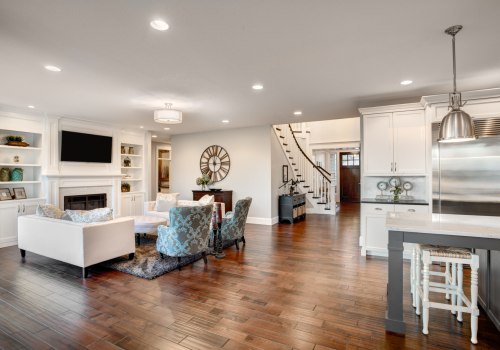
- Hardwood FlooringHardwood floors are often regarded as the gold standard in residential flooring. Their timeless appeal and durability make them a favorite among buyers. Available in various species such as oak, maple, and cherry, hardwood can complement any interior design style.Pros: High resale value, easy to clean, and can be refinished multiple times.Cons: Can be expensive to install and may be susceptible to scratches and moisture damage.
- Laminate FlooringA more budget-friendly alternative to hardwood, laminate flooring mimics the look of wood or stone without the hefty price tag.
It’s made from composite materials and is available in a wide range of styles.Pros: Affordable, easy to install, and resistant to scratches.Cons: Less durable than hardwood and cannot be refinished.
- Ceramic and Porcelain TilesThese tiles are ideal for high-moisture areas like kitchens and bathrooms. They come in various colors, patterns, and textures, allowing for creative design possibilities.Pros: Water-resistant, durable, and easy to maintain.Cons: Can be cold underfoot and may require grout maintenance.
- Vinyl FlooringVinyl FlooringVinyl has evolved significantly over the years and now offers a wide range of styles that can mimic natural materials. It’s particularly suitable for areas prone to moisture.Pros: Water-resistant, affordable, and comfortable underfoot.Cons: May not have the same longevity as other materials and can be less appealing to some buyers.
- CarpetWhile not as popular as hard surfaces, carpet can add warmth and comfort to bedrooms and living areas. It comes in various textures and colors.Pros: Soft underfoot, good insulation properties, and available in numerous styles.Cons: Can stain easily and may require more maintenance than hard surfaces.
Consider your lifestyle needs, the specific rooms you are upgrading, and how each type of flooring will impact your home’s overall value. By making a thoughtful choice, you can enhance both your living experience and your home’s marketability.
Hardwood Flooring: A Timeless Investment
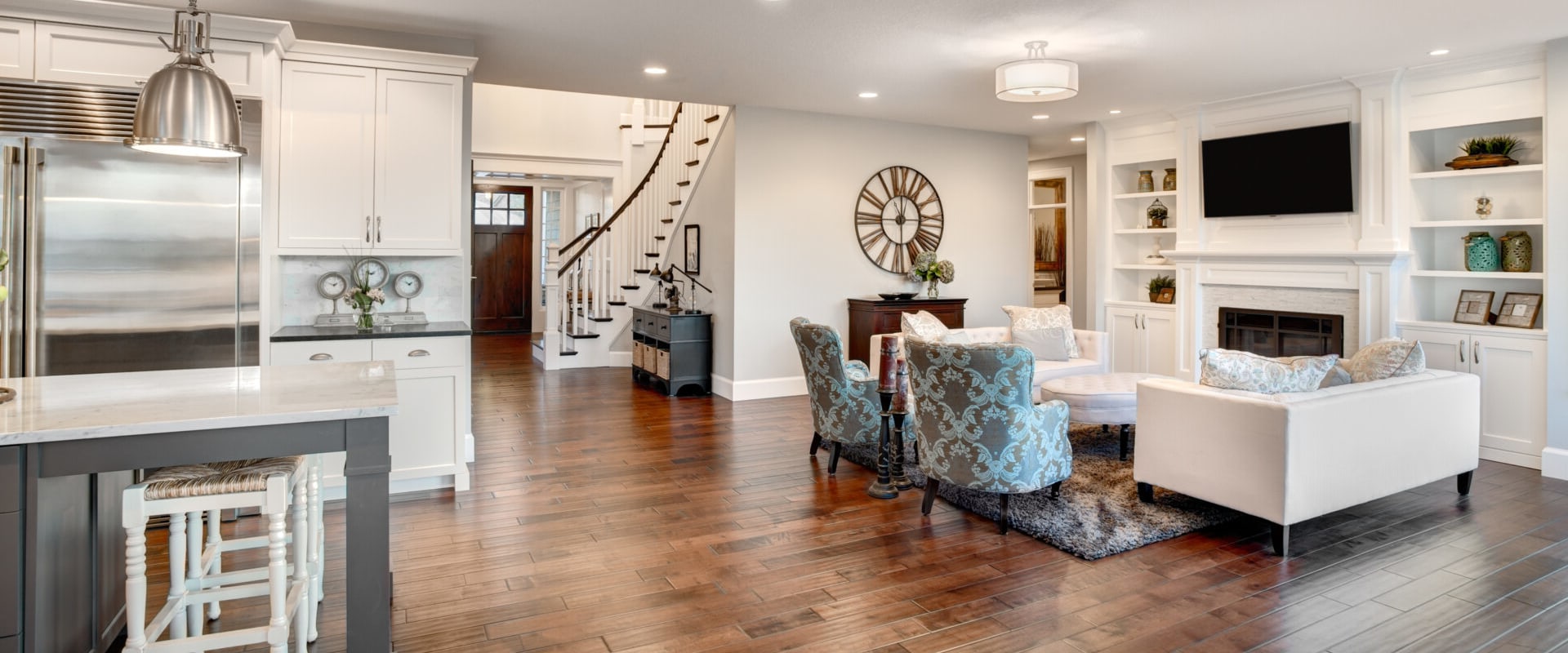
When it comes to enhancing your home’s resale value, hardwood flooring stands out as a premier choice. Its combination of durability, aesthetic appeal, and potential return on investment makes it a favorite among homeowners and real estate professionals alike.Benefits of Hardwood Flooring
- Durability: Hardwood floors are known for their longevity. With proper care, they can last for decades, making them a wise investment for any homeowner.
- Aesthetic Appeal: The natural beauty of hardwood adds warmth and elegance to any room.
Its rich textures and colors can complement various interior design styles, from traditional to modern.
- Easy Maintenance: Unlike carpets that trap dust and allergens, hardwood floors are easy to clean. Regular sweeping and occasional mopping are usually sufficient to keep them looking pristine.
- Increased Home Value: Homes with hardwood flooring often sell faster and at higher prices compared to those with other types of flooring. This is due to the desirability of hardwood among buyers.
Hardwood Resale Value
The return on investment (ROI) for installing hardwood flooring can be significant. Studies indicate that homeowners can expect an ROI of 70-80% when they install hardwood floors.
Additionally, properties featuring hardwood can see an increase in selling price by up to 2.5%. This makes it not just a flooring choice but a strategic financial decision.
Types of Hardwood
When selecting hardwood flooring, it’s essential to consider the type of wood you choose. Here are some popular options:
- Oak: Known for its strength and versatility, oak is a classic choice that appeals to many buyers.
- Maple: With its light color and fine grain, maple offers a contemporary look that works well in modern homes.
- Walnut: Rich in color and character, walnut adds a touch of luxury and sophistication.
Tile Flooring: Versatile and Stylish
When it comes to enhancing the aesthetic appeal and functionality of your home, tile flooring stands out as a versatile and stylish option, particularly in high-traffic areas like kitchens and bathrooms. Its unique combination of durability, design flexibility, and ease of maintenance makes it a popular choice among homeowners looking to maximize their home's resale value.Benefits of Tile Flooring
- Durability: One of the most significant advantages of tile flooring is its exceptional durability.
Tiles are resistant to scratches, dents, and stains, making them ideal for busy households. This resilience ensures that your floors will maintain their appearance over time, which is a crucial factor for potential buyers.
- Water Resistance: Tile flooring is inherently water-resistant, making it an excellent choice for areas prone to moisture. In kitchens and bathrooms, where spills and humidity are common, tiles can withstand these conditions without warping or deteriorating.
- Low Maintenance: Cleaning tile floors is straightforward; regular sweeping and occasional mopping are usually sufficient to keep them looking pristine. This low-maintenance requirement is appealing to buyers who prefer hassle-free living.
- Design Flexibility: Tile flooring comes in a vast array of colors, patterns, and textures.
Whether you prefer the classic look of ceramic tiles or the natural beauty of stone tiles, there’s a style to suit every taste. This design flexibility allows homeowners to create unique spaces that reflect their personal style.
Types of Tile Flooring
There are several types of tile flooring available, each offering distinct benefits:
- Ceramic Tiles: These are made from clay and are available in glazed or unglazed finishes. Ceramic tiles are versatile and can be used in various settings, from modern kitchens to rustic bathrooms.
- Porcelain Tiles: A subtype of ceramic tiles, porcelain is denser and more durable. It’s an excellent choice for high-traffic areas due to its strength and resistance to moisture.
- Natural Stone Tiles: Options like granite, marble, and slate provide a luxurious look but require more maintenance than ceramic or porcelain.
However, their unique patterns can add significant value to your home.
The Resale Value of Tile Flooring
Investing in tile flooring can significantly enhance your home's resale value. Buyers often appreciate the durability and low maintenance associated with tile floors. Additionally, the aesthetic appeal of well-chosen tiles can create a lasting impression during showings. Homes featuring modern tile designs tend to attract more interest in the market, making it a wise investment for homeowners looking to sell.In conclusion, tile flooring offers numerous benefits that make it an excellent choice for enhancing both the functionality and resale value of your home.
With its durability, water resistance, low maintenance needs, and design versatility, tile flooring is not just a practical option but also a stylish one that can appeal to a wide range of potential buyers.
Vinyl Flooring: Budget-Friendly and Practical
When it comes to selecting flooring that balances affordability with functionality, vinyl flooring stands out as a top contender. This versatile option is particularly advantageous for homeowners looking to enhance their property’s appeal without breaking the bank. Vinyl flooring has evolved significantly over the years, offering a wide range of styles and finishes that can mimic more expensive materials like hardwood or stone.One of the primary benefits of vinyl flooring is its water resistance. This makes it an ideal choice for moisture-prone areas such as kitchens, bathrooms, and basements.Unlike hardwood, which can warp or swell when exposed to water, vinyl is designed to withstand spills and humidity, ensuring longevity and maintaining its appearance over time.In addition to its practical benefits, vinyl flooring is also known for its ease of maintenance. Regular sweeping and occasional mopping are usually sufficient to keep it looking fresh. This low-maintenance requirement is appealing to potential buyers who may not want to invest time and effort into upkeep.
Vinyl vs. Hardwood: A Comparative Analysis
While hardwood flooring is often lauded for its timeless beauty and durability, it comes with a higher price tag and requires more maintenance.In contrast, vinyl flooring offers a budget-friendly alternative that does not compromise on style. Here are some key differences:
- Cost: Vinyl flooring is generally much less expensive than hardwood, making it accessible for homeowners on a budget.
- Installation: Vinyl can often be installed more quickly and easily than hardwood, which may require professional installation due to its complexity.
- Durability: While hardwood can scratch and dent, high-quality vinyl is resistant to wear and tear, making it suitable for high-traffic areas.
- Aesthetic Variety: Vinyl comes in a plethora of designs, colors, and textures, allowing homeowners to achieve the look they desire without the associated costs of hardwood.
Its combination of affordability, durability, and aesthetic appeal makes it an excellent option for various areas in your home. By choosing vinyl, you not only enhance your living space but also position your property favorably in the competitive real estate market.
The Role of Color and Finish in Flooring Choices
When it comes to flooring, the color and finish play a pivotal role in shaping buyer perception and enhancing the overall aesthetics of your home. The right combination can not only elevate the visual appeal but also significantly impact the resale value of your property.Current Flooring Color Trends
In recent years, flooring color trends have shifted towards more neutral and versatile shades. Buyers are increasingly drawn to colors that create a sense of warmth and spaciousness.Popular choices include:
- Light Grays: These shades offer a modern touch while maintaining a classic feel, making them suitable for various design styles.
- Beige and Taupe: These warm neutrals provide a cozy atmosphere and can easily complement different color palettes throughout the home.
- Rich Browns: Darker wood tones add depth and sophistication, appealing to buyers looking for a more traditional or rustic aesthetic.
The Importance of Finish Types
The finish of your flooring is equally important as it affects both durability and appearance. Different types of finishes can enhance the look of your floors while providing varying levels of protection:- Satin Finish: This finish strikes a balance between matte and glossy, offering a subtle sheen that highlights the natural beauty of the wood without being overly reflective.
- Matte Finish: Increasingly popular for its understated elegance, matte finishes hide scratches and imperfections well, making them ideal for high-traffic areas.
- Glossy Finish: While it can create a luxurious look, glossy finishes may require more maintenance to keep them looking pristine. They can also highlight dust and scratches more than other finishes.
The Impact of Color on Resale Value
The color and finish of your flooring can significantly influence how buyers perceive your home. A well-chosen color scheme can create an inviting atmosphere, making it easier for potential buyers to envision themselves living in the space.Additionally, homes with cohesive color palettes tend to sell faster and at higher prices.Investing in trending colors and high-quality finishes can yield substantial returns when it comes time to sell. By aligning your flooring choices with buyer preferences, you not only enhance your home's appeal but also position yourself favorably in a competitive real estate market.
Professional Installation: Ensuring Quality and Longevity
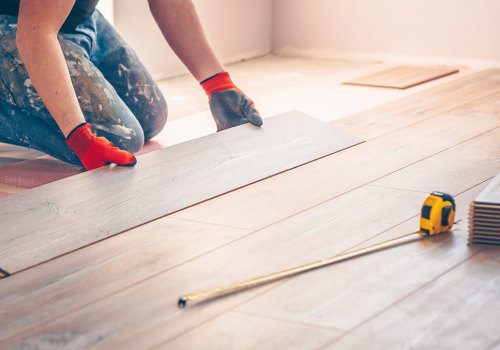
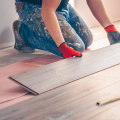
When it comes to flooring, the quality of installation is just as crucial as the materials chosen. Professional installation ensures that your flooring not only looks great but also performs well over time. Many homeowners may consider a DIY approach to save money, but this can lead to costly mistakes that diminish the value of your home.Importance of Professional Installation
- Expertise and Experience: Professional installers have the training and experience necessary to handle various flooring types, from hardwood to tile.
They understand the nuances of each material, ensuring that the installation process adheres to best practices.
- Precision and Quality: A professional installer will measure and cut flooring materials with precision, minimizing waste and ensuring a perfect fit. This attention to detail can significantly enhance the overall appearance of your floors.
- Warranty Protection: Many flooring manufacturers require professional installation to maintain warranties. If you choose to install the flooring yourself and encounter issues later, you may void any warranty coverage.
DIY vs. Professional Flooring Installation
While DIY projects can be rewarding, they often come with hidden challenges.
For instance, improper subfloor preparation can lead to uneven surfaces, squeaks, or even damage to the flooring itself. Additionally, without the right tools and techniques, achieving a seamless look can be difficult.On the other hand, professional installers bring specialized tools and techniques that ensure a flawless finish. They can also identify potential issues before they become major problems, saving you time and money in the long run.
The Impact of Installation on Value
The quality of your flooring installation can directly influence your home's resale value. Buyers are often willing to pay a premium for homes with well-installed flooring that shows no signs of wear or damage.
Conversely, poorly installed floors can deter potential buyers and lead to lower offers.In conclusion, investing in professional installation is a wise decision for homeowners looking to maximize their flooring's lifespan and aesthetic appeal. By ensuring that your floors are installed correctly, you not only enhance their durability but also protect your investment in your home.
Maintaining Your Floors: Keeping Value Intact
Maintaining your floors is essential not only for aesthetic appeal but also for preserving the value of your home. Different types of flooring require specific care to ensure they remain in excellent condition over time. Here are some practical tips for maintaining hardwood and tile floors, two of the most popular choices among homeowners.Maintaining Hardwood Floors
Hardwood floors are renowned for their beauty and durability, but they do require regular maintenance to keep them looking their best.Here are some effective strategies:
- Regular Cleaning: Sweep or vacuum your hardwood floors at least once a week to remove dirt and debris that can scratch the surface. Use a soft-bristle broom or a vacuum with a hardwood floor attachment to avoid damaging the finish.
- Use the Right Cleaning Products: When mopping, use a cleaner specifically designed for hardwood floors. Avoid using water or vinegar, as excessive moisture can warp the wood.
- Protect from Scratches: Place felt pads under furniture legs to prevent scratches when moving items. Additionally, avoid wearing high heels or shoes with hard soles on hardwood floors.
- Refinishing: Depending on foot traffic, consider refinishing your hardwood floors every 5-10 years.
This process can restore their original luster and remove any deep scratches or dents.
Cleaning Tile Floors
Tile flooring is favored for its versatility and ease of maintenance, especially in high-moisture areas like kitchens and bathrooms. To keep tile floors in top shape, follow these tips:- Regular Sweeping and Mopping: Just like hardwood, tile floors should be swept or vacuumed regularly to prevent dirt buildup. Use a damp mop with a mild detergent to clean the tiles without leaving excess moisture.
- Grout Care: Grout lines can become discolored over time. Clean them with a mixture of baking soda and water or a specialized grout cleaner.
Sealing grout annually can also help prevent stains.
- Avoid Harsh Chemicals: Steer clear of abrasive cleaners that can scratch the surface of tiles or damage grout. Instead, opt for pH-neutral cleaners that are safe for your specific tile type.
- Addressing Cracks Promptly: If you notice any cracks in your tiles, address them immediately to prevent further damage. Small cracks can often be repaired with epoxy filler, while larger issues may require professional assistance.
Other Factors Influencing Resale Value Beyond Flooring
While flooring is a critical component in determining a home's resale value, it is essential to recognize that several other factors also play a significant role.Understanding these elements can help homeowners make informed decisions that enhance their property’s appeal and marketability.
The Importance of Curb Appeal
Curb appeal is often the first impression potential buyers have of a home, and it can significantly influence their perception of value. A well-maintained exterior can attract buyers and set the tone for what they can expect inside. Here are some key aspects of curb appeal:- Landscaping: A tidy yard with healthy plants, trimmed bushes, and vibrant flowers can create an inviting atmosphere. Consider adding mulch or decorative stones to enhance visual interest.
- Exterior Paint: Fresh paint on the front door or shutters can make a home stand out.
Neutral colors tend to appeal to a broader audience, while bold colors can be polarizing.
- Lighting: Well-placed outdoor lighting not only enhances safety but also highlights architectural features and landscaping at night.
Overall Home Design and Flow
The overall design and flow of a home are crucial in determining its resale value. Buyers are often looking for spaces that feel cohesive and functional. Here are some considerations:- Open Floor Plans: Homes with open layouts tend to be more desirable as they create a sense of spaciousness and allow for better interaction among family members.
- Room Functionality: Each room should serve its intended purpose effectively. For example, a well-designed kitchen with modern appliances can significantly boost value.
- Consistency in Design: Maintaining a consistent style throughout the home—whether it’s modern, traditional, or eclectic—can enhance its appeal.
Avoid drastic changes in design from one room to another.
<strong>Conclusion</strong>: Making Informed Flooring Decisions for Maximum Resale Value
In conclusion, making informed flooring decisions is crucial for homeowners looking to maximize their property's resale value. Throughout this article, we have explored various flooring options, their benefits, and how they can significantly impact the appeal of your home to potential buyers.To summarize the key points discussed:- Hardwood Flooring: This remains a top choice due to its durability and timeless appeal. Opting for high-quality hardwood, such as oak or maple, can yield a return on investment (ROI) of 70-80%.
Additionally, selecting neutral colors and finishes can enhance its attractiveness.
- Tile Flooring: Particularly in kitchens and bathrooms, tile offers a modern aesthetic while being practical. Ceramic and porcelain tiles are popular for their durability and variety in design. Heated tiles can also add a luxurious touch that appeals to buyers.
- Vinyl Flooring: For areas prone to moisture, such as basements or laundry rooms, vinyl is an excellent choice. Its water resistance and affordability make it a smart option that still adds value.
- Professional Installation: Regardless of the flooring type chosen, professional installation is essential.
It ensures that the flooring is laid correctly, preventing future issues that could detract from your home's value.
- Cohesive Design: Maintaining a consistent look throughout your home is vital. Transitioning between different types of flooring should be done thoughtfully to create a seamless flow that enhances the overall aesthetic.