When it comes to enhancing the value of your home, few elements have as significant an impact as flooring. The type, quality, and condition of your floors can either elevate your property’s appeal or detract from it. Potential buyers often form their first impressions based on the flooring they encounter, making it a crucial factor in the overall aesthetic and functionality of a home. Investing in new flooring is not merely a cosmetic upgrade; it is a strategic decision that can yield substantial returns when it comes time to sell.Understanding the relationship between flooring choices and home resale value is essential for homeowners looking to maximize their investment.
High-quality materials such as hardwood, tile, or luxury vinyl can significantly enhance the perceived value of your property. In contrast, outdated or damaged flooring can lead to lower offers or even deter potential buyers altogether. This makes it imperative to consider not just the visual appeal of your flooring but also its durability and maintenance requirements.Moreover, the right flooring can create a cohesive look throughout your home, contributing to a sense of harmony and style that resonates with buyers. For instance, seamless transitions between different types of flooring can enhance the flow of space, making rooms feel larger and more inviting.
As you embark on this journey to improve your home’s value through flooring, keep in mind that every choice you make—from material selection to installation—plays a pivotal role in shaping buyer perceptions and ultimately influencing resale value.
Choosing the Right Flooring Material
When it comes to enhancing your home’s value through flooring, the choice of material is crucial. The right flooring not only elevates the aesthetic appeal of your space but also contributes significantly to its overall market value. Here’s a closer look at some of the most popular flooring materials available today, along with their advantages and disadvantages.Hardwood Flooring
Hardwood flooring
is often regarded as one of the best options for homeowners looking to increase their property value. Its timeless beauty and durability make it a favorite among buyers.
However, it does come with some considerations:
- Pros: Long-lasting, easy to clean, and can be refinished multiple times.
- Cons: Can be expensive, susceptible to scratches and water damage if not properly maintained.
Laminated Flooring
Laminated flooring
offers a cost-effective alternative to hardwood. It mimics the appearance of wood while providing enhanced durability.
- Pros: Affordable, resistant to scratches and stains, and easy to install.
- Cons: Cannot be refinished, may not add as much value as real wood.
Tile Flooring
Tile flooring
, particularly ceramic or porcelain tiles, is an excellent choice for areas prone to moisture, such as kitchens and bathrooms. Its versatility allows for various designs and patterns.
- Pros: Water-resistant, durable, and available in numerous styles.
- Cons: Can be cold underfoot and may require grout maintenance.
Vinyl Flooring
Vinyl flooring
has gained popularity due to its affordability and ease of maintenance. It comes in sheets or tiles and can mimic the look of more expensive materials.
- Pros: Budget-friendly, water-resistant, and comfortable underfoot.
- Cons: May not have the same lifespan as other materials and can be prone to fading in direct sunlight.
Cork Flooring
Cork flooring
is an eco-friendly option that provides a unique aesthetic while being soft underfoot.
It’s also a natural insulator.
- Pros: Sustainable, comfortable, and provides good insulation.
- Cons: Can be damaged by water if not sealed properly and may require regular maintenance.
Target Market Considerations for Flooring Choices
When it comes to selecting flooring for your home, understanding your target market is crucial. Different demographics and regional preferences can significantly influence the types of flooring that will appeal to potential buyers.By aligning your flooring choices with the tastes and needs of your target audience, you can enhance the attractiveness of your home and potentially increase its resale value.
Demographic Considerations
- Families with Children: If your home is likely to attract families, consider durable and easy-to-clean flooring options. Materials like laminate or luxury vinyl plank can withstand heavy foot traffic and are resistant to stains, making them ideal for households with kids.
- Young Professionals: This demographic often prefers modern aesthetics. Sleek hardwood or polished concrete floors can appeal to their taste for contemporary design. Additionally, eco-friendly options like bamboo or cork may resonate well with environmentally conscious buyers.
- Retirees: Older buyers may prioritize comfort and accessibility.
Soft carpets or engineered wood with a smooth finish can provide a warm feel underfoot while being easier to navigate than harder surfaces.
Regional Flooring Trends
Regional preferences also play a significant role in flooring choices. For instance:
- Urban Areas: In cities, where space is often limited, lighter-colored flooring can create an illusion of more space. Open-concept designs with consistent flooring throughout can also enhance flow and appeal.
- Coastal Regions: Homes near the beach may benefit from materials that resist moisture and salt air, such as tile or vinyl. Light, airy colors that reflect the coastal environment can also be attractive.
- Mountainous Areas: In regions with colder climates, buyers might prefer warmer materials like hardwood or carpets that provide insulation against the cold.
This strategic approach not only enhances the aesthetic appeal of your home but also aligns it with what potential buyers are looking for, ultimately maximizing its value in the real estate market.
The Benefits of Underfloor Heating Systems
When considering home improvements that can significantly enhance both comfort and value, underfloor heating systems stand out as a luxurious yet practical option. Particularly in colder climates, these systems offer a range of benefits that can make your home more appealing to potential buyers.One of the primary advantages of underfloor heating is the even distribution of warmth throughout a room. Unlike traditional radiators, which can create hot and cold spots, underfloor heating provides a consistent temperature from the ground up. This not only enhances comfort but also allows homeowners to enjoy a cozy atmosphere during the chilly months.Moreover, underfloor heating systems are incredibly energy-efficient.They operate at lower temperatures compared to conventional heating methods, which can lead to reduced energy bills. By warming the floor surface directly, these systems require less energy to maintain a comfortable environment, making them an eco-friendly choice for modern homes.In addition to comfort and efficiency, installing underfloor heating can significantly increase your home's market value. Many buyers are willing to pay a premium for homes equipped with this luxury feature. It signals that the property has been updated with modern conveniences and reflects a commitment to quality living standards.Furthermore, underfloor heating is versatile and can be installed beneath various types of flooring, including tile, hardwood, and laminate.
This flexibility allows homeowners to choose their preferred flooring material without compromising on comfort or functionality.Another benefit is the space-saving aspect of underfloor heating systems. By eliminating bulky radiators and heaters, homeowners can maximize their living space and create a more open and aesthetically pleasing environment. This is particularly advantageous in smaller homes or apartments where every square foot counts.In summary, integrating underfloor heating with new flooring not only enhances the comfort of your home but also serves as a valuable investment that can attract potential buyers. With its energy efficiency, aesthetic appeal, and ability to elevate the overall living experience, underfloor heating is an excellent feature to consider when looking to maximize your home's value.
Installation: The Key to a Professional Finish
When it comes to enhancing your home’s value through new flooring, the installation process is just as crucial as the choice of materials.A professional finish not only elevates the aesthetic appeal of your space but also ensures longevity and durability, which are key factors for potential buyers. Here are some essential tips to achieve a flawless installation that maximizes the impact of your flooring investment.
1.Prepare the Subfloor
The foundation of any flooring project lies in the subfloor. Before laying down any new material, it’s vital to inspect and prepare the subfloor thoroughly. Ensure it is clean, dry, and level.Any imperfections can lead to uneven surfaces and premature wear of the flooring above. If necessary, use leveling compounds to fill in low spots or repair any damage.
2.Choose the Right Installation Method
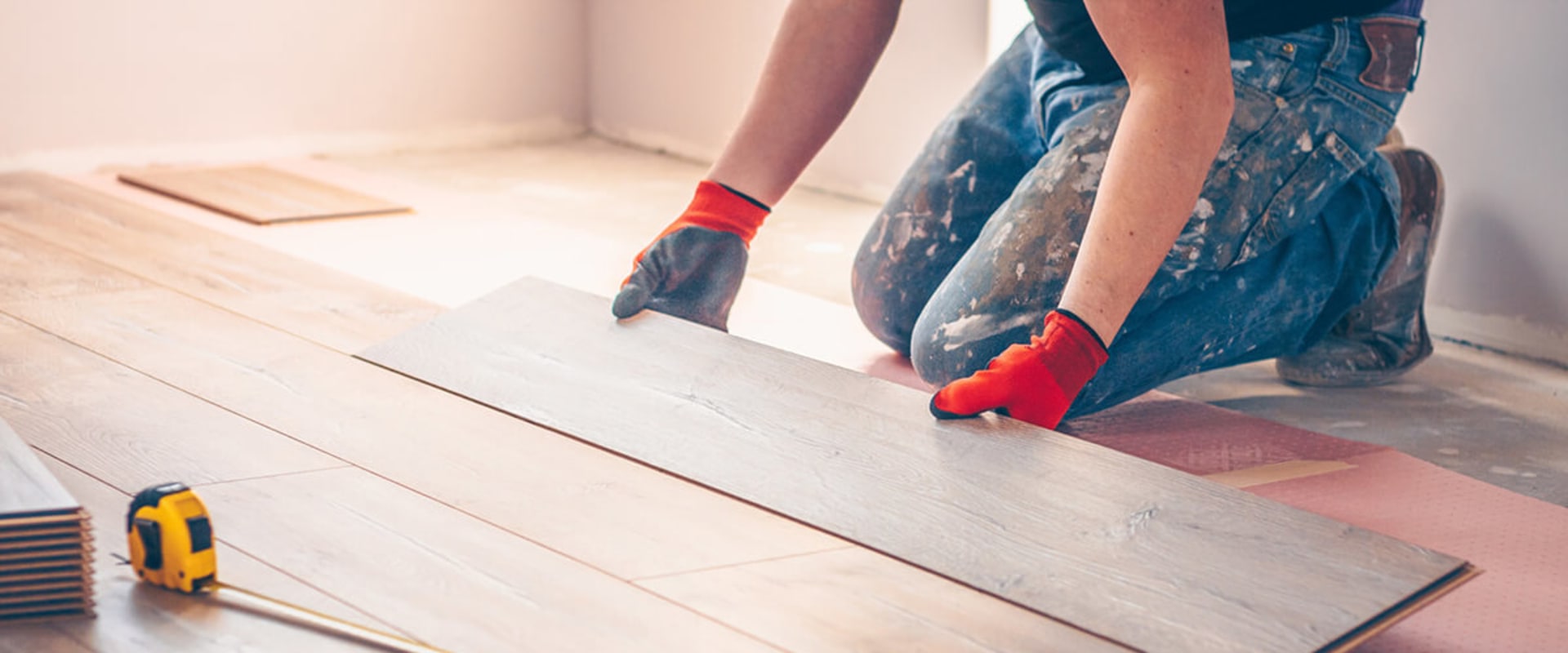
Different types of flooring require different installation methods. For instance, hardwood floors may need to be nailed down or glued, while laminate can often be floated over the subfloor. Understanding the specific requirements for your chosen material is essential for achieving a professional finish.Consulting with a flooring expert can provide valuable insights into the best installation practices for your specific flooring type.
3.Ensure Seamless Transitions
One of the hallmarks of a well-installed floor is seamless transitions between different types of flooring, such as from hardwood to tile or carpet. To achieve this:- Use Transition Strips: These are essential for bridging gaps between different flooring materials and can enhance both aesthetics and safety.
- Maintain Consistent Height: Ensure that all flooring types are at similar heights to avoid tripping hazards and create a smooth visual flow.
- Align Patterns: If your flooring has patterns or grains, align them across transitions to create a cohesive look.
4.Hire Professionals When Necessary
If you’re not confident in your DIY skills or if the project involves complex installations, hiring professionals can save you time and ensure quality results. Experienced installers have the tools and expertise to handle challenges that may arise during installation, ensuring that your new floors look impeccable.In conclusion, investing in high-quality flooring is only part of the equation; proper installation is key to maximizing its value in your home. By preparing adequately, choosing appropriate methods, ensuring seamless transitions, and considering professional help when needed, you can achieve a stunning finish that enhances both your living space and its market value.Durability and Maintenance: Choosing Long-lasting Options
When it comes to selecting flooring for your home, durability and ease of maintenance are two critical factors that can significantly influence both your living experience and the resale value of your property.Buyers today are increasingly looking for flooring options that not only look great but also stand the test of time and require minimal upkeep.
Durable Flooring Options
- Hardwood Floors: Renowned for their timeless beauty, hardwood floors are a popular choice among homeowners. They can last for decades with proper care, making them a worthwhile investment. Opting for harder species like oak or maple can enhance durability, especially in high-traffic areas.
- Luxury Vinyl Plank (LVP): This modern flooring option mimics the appearance of natural wood or stone while offering exceptional durability. LVP is resistant to scratches, dents, and moisture, making it ideal for families with pets or children.
- Tile Flooring: Ceramic and porcelain tiles are incredibly durable and resistant to water damage, stains, and scratches.
They are perfect for kitchens and bathrooms where spills are common. Additionally, tile can be easily cleaned with minimal effort.
- Bamboo Flooring: An eco-friendly alternative, bamboo is not only sustainable but also highly durable. It is harder than many hardwoods and can withstand heavy foot traffic, making it an excellent choice for busy households.
Easy Maintenance Flooring
In addition to durability, the ease of maintenance is a significant consideration for potential buyers. Flooring that requires less frequent cleaning or special treatments can be a major selling point.
Here are some options that excel in this area:
- Laminate Flooring: Laminate is designed to resist stains and scratches while providing a wood-like appearance. Its surface is easy to wipe clean, making it a practical choice for busy families.
- Vinyl Flooring: Similar to laminate, vinyl flooring is water-resistant and easy to maintain. It can be swept or mopped without worry about damaging the surface.
- Carpet Tiles: For those who prefer carpet but want an easier maintenance solution, carpet tiles offer flexibility. If one tile becomes stained or damaged, it can be replaced without needing to redo the entire floor.
By investing in high-quality materials that require minimal upkeep, you can create a welcoming environment that stands the test of time while maximizing your home’s value.
Enhancing Aesthetics with Flooring Design Choices
When it comes to enhancing the aesthetic appeal of your home, the choice of flooring plays a pivotal role. Flooring is not just a functional element; it sets the tone for the entire space and can significantly influence how potential buyers perceive your home. Here are some key design choices that can elevate your home’s aesthetics and attract buyers.Color Trends in Flooring
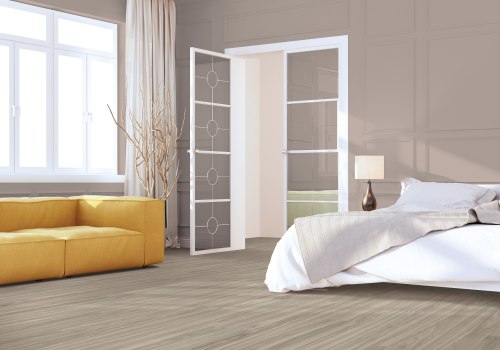
The color of your flooring can dramatically affect the ambiance of a room. Neutral tones such as beige, gray, and white are popular choices as they create a versatile backdrop that complements various decor styles.These colors can make spaces feel larger and more open, which is particularly appealing in smaller homes.On the other hand, darker shades like deep browns or charcoal can add warmth and sophistication, making them ideal for living areas or dining rooms. When selecting colors, consider the overall color scheme of your home to ensure a cohesive look.
Patterns and Textures
Incorporating patterns and textures into your flooring design can add depth and interest to your spaces. For instance, herringbone or chevron patterns in hardwood or laminate flooring can create a striking visual effect that draws the eye. Similarly, textured tiles can enhance the tactile experience of a room, making it feel more inviting.Additionally, mixing materials can also be an effective way to enhance aesthetics.For example, combining hardwood with tile in entryways or kitchens not only adds visual interest but also helps define different areas within an open floor plan.
Cohesive Home Design
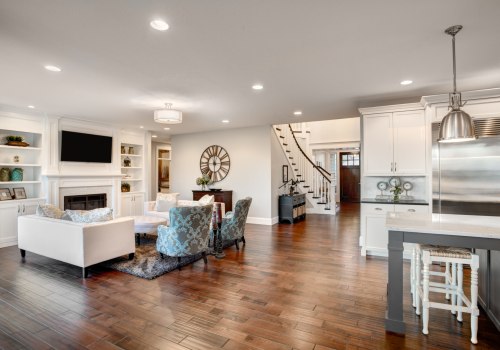
A cohesive design throughout your home is essential for maximizing its appeal. When choosing flooring, consider how it will flow from one room to another. Consistent flooring across common areas creates a seamless transition that enhances the overall aesthetic. For instance, using the same type of hardwood throughout the living room, dining room, and hallway can unify these spaces.Moreover, consider how your flooring choice interacts with other design elements such as cabinetry, countertops, and wall colors.A well-thought-out design that harmonizes all aspects of your home will not only increase its beauty but also its market value.In conclusion, thoughtful flooring design choices can significantly enhance your home's aesthetic appeal. By focusing on color trends, incorporating patterns and textures, and ensuring a cohesive design throughout your space, you can create an inviting atmosphere that attracts potential buyers and increases perceived value.
Cost vs. Value: Analyzing Your Flooring Investment
When considering new flooring, understanding the cost versus the value is crucial for homeowners looking to maximize their investment. Flooring can significantly impact the overall aesthetic and functionality of a home, but it’s essential to approach this upgrade with a clear financial strategy.First, let’s break down the cost of new flooring.The price can vary widely depending on the type of material chosen:
- Hardwood: Typically ranges from $5 to $15 per square foot, depending on the species and quality.
- Laminates: A more budget-friendly option, costing between $1 to $5 per square foot.
- Tile: Prices can range from $1 to $20 per square foot, influenced by the style and brand.
- Carpet: Generally falls between $2 to $10 per square foot, with additional costs for padding and installation.
- Market Trends: In a competitive real estate market, high-quality flooring can set your home apart and attract more buyers.
- Neighborhood Standards: Homes in upscale neighborhoods may require premium materials like hardwood or luxury vinyl to meet buyer expectations.
- Condition of Existing Floors: If your current flooring is outdated or damaged, replacing it can significantly enhance your home’s appeal and value.
For instance, while hardwood floors may have a higher upfront cost, their durability and ease of cleaning can lead to lower long-term maintenance costs compared to carpet.In conclusion, investing in new flooring is not just about aesthetics; it’s a strategic financial decision. By carefully analyzing costs and understanding potential returns, homeowners can make informed choices that enhance both their living space and property value.
Frequently Asked Questions About Flooring and Home Value
When considering new flooring, homeowners often have numerous questions regarding how their choices will impact the value of their home. Below are some of the most frequently asked questions that can help clarify these concerns and guide you in making informed decisions.1.Does the type of flooring really affect home value?
Absolutely! The type of flooring you choose can significantly influence your home's market value. For instance, hardwood floors are often seen as a premium option and can increase resale value due to their durability and timeless appeal.In contrast, less durable materials like laminate or low-quality carpet may not provide the same return on investment.
2.What flooring options are most appealing to buyers?
When it comes to appealing to potential buyers, hardwood and high-quality tile are generally favored. These materials not only enhance aesthetic appeal but also signal quality and longevity. Additionally, eco-friendly options such as bamboo or reclaimed wood are gaining popularity among environmentally conscious buyers.3.Should I invest in flooring if I plan to sell soon?
If you plan to sell your home in the near future, investing in new flooring can be a wise decision. However, it’s crucial to choose styles and materials that align with current market trends in your area.Consult with a real estate agent to understand what buyers in your neighborhood are looking for.
4.How important is flooring maintenance when considering value?
Maintenance plays a vital role in preserving the value of your flooring. Buyers often prefer options that require minimal upkeep, such as tile or sealed hardwood, over carpets that may stain easily or require frequent cleaning. Choosing durable materials that withstand wear and tear can also enhance your home's appeal.5.Can I install flooring myself to save money?
While DIY installation can save costs, it’s essential to consider your skill level and the complexity of the project. Poorly installed flooring can lead to issues down the line, potentially decreasing your home’s value.If you're unsure, hiring a professional may be a better investment.By addressing these common questions, homeowners can better navigate their flooring choices and understand how these decisions impact their property’s value. Making informed selections not only enhances your living space but also positions your home favorably in the real estate market.
Conclusion: Making Informed Flooring Choices to Maximize Home Value
In conclusion, making informed choices about flooring is essential for homeowners looking to enhance their property’s value. Throughout this article, we have explored various strategies that can significantly impact the resale potential of your home. By focusing on quality, market trends, and practical features, you can ensure that your investment in new flooring pays off.First and foremost, selecting high-quality materials is crucial.Not only do they offer durability and longevity, but they also contribute to the overall aesthetic appeal of your home. Whether you opt for hardwood, tile, or eco-friendly options, prioritizing quality will resonate with potential buyers.Additionally, understanding your target market cannot be overstated. Different neighborhoods have distinct preferences when it comes to flooring. By aligning your choices with what appeals to buyers in your area, you increase the likelihood of a successful sale.
Consulting with a real estate professional can provide valuable insights into local trends.Moreover, considering features like underfloor heating can set your home apart from others on the market. This added comfort not only enhances the living experience but also serves as a unique selling point that many buyers find attractive.Attention to detail during installation is another vital aspect. Ensuring that flooring transitions are seamless and that the installation is executed flawlessly can make a significant difference in how potential buyers perceive your home. A well-finished floor can create a lasting impression and elevate the overall ambiance of your space.Finally, choosing durable and easy-to-maintain flooring options will appeal to a broader range of buyers.
Homes that require less upkeep are often more desirable, especially for families or busy professionals.By applying these expert tips and being mindful of your flooring choices, you can maximize your home’s value effectively. Investing in quality flooring is not just about aesthetics; it’s about making strategic decisions that will pay dividends when it comes time to sell. Remember, thoughtful planning today can lead to significant rewards tomorrow.