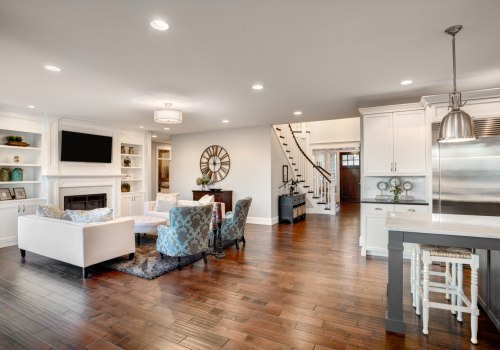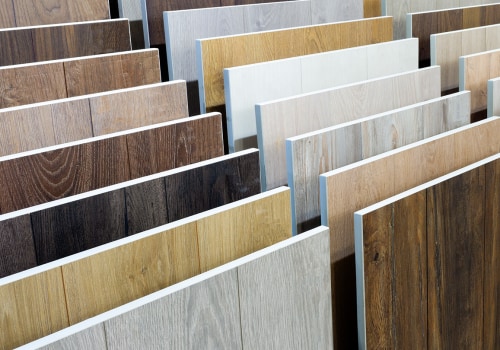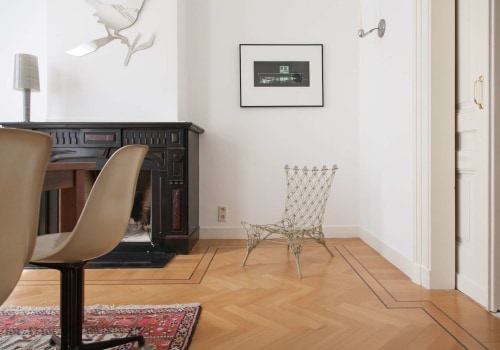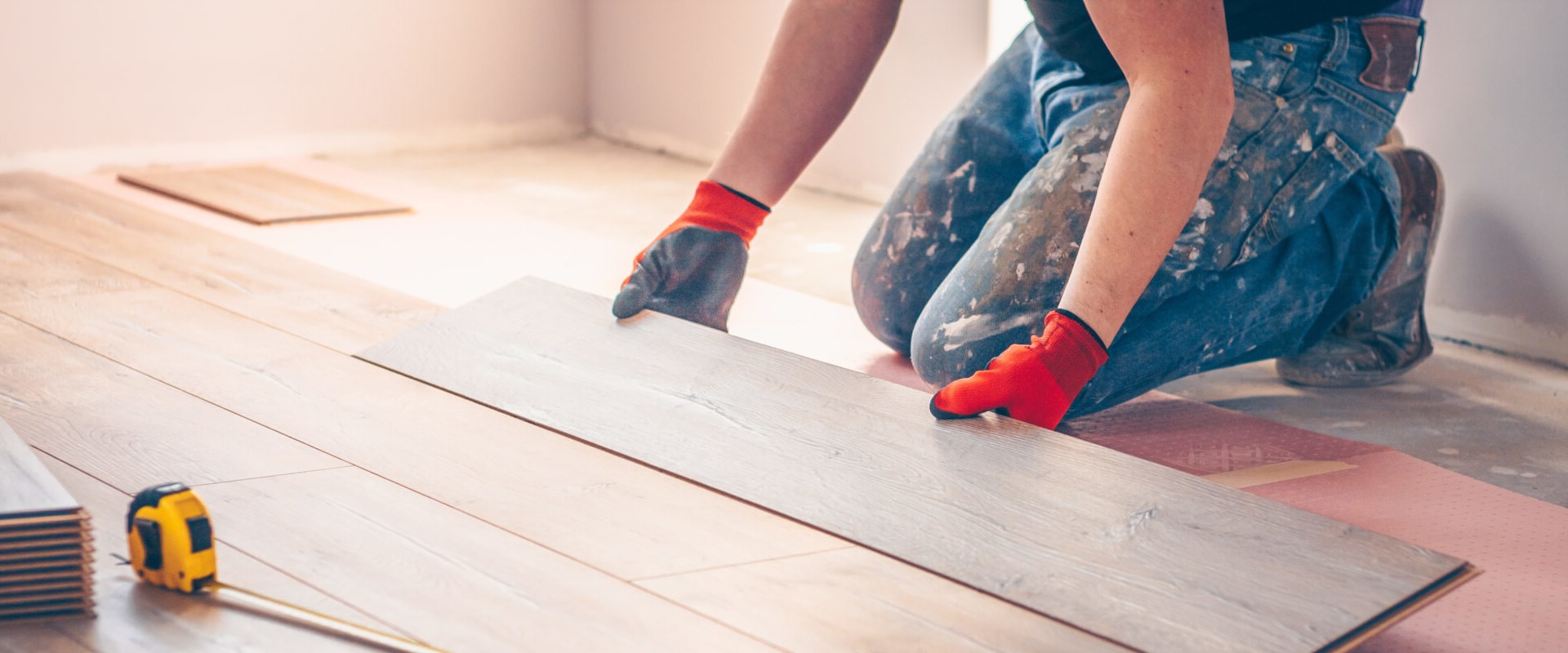
When it comes to selecting the right flooring for your home, understanding your personal needs and budget is crucial. Flooring is not just a functional element; it significantly impacts the aesthetics, comfort, and overall value of your space. With a myriad of options available, from luxurious hardwood to budget-friendly vinyl, making an informed choice can be overwhelming. However, by assessing your specific requirements and financial constraints, you can navigate this process more effectively.First and foremost, consider the purpose of the space where the flooring will be installed.
High-traffic areas such as hallways and living rooms may require more durable materials that can withstand wear and tear. Conversely, bedrooms or guest rooms might prioritize comfort and warmth. Additionally, think about the climate in your region; for instance, colder areas may benefit from carpets that provide insulation, while warmer climates might favor tile or laminate for their coolness and ease of maintenance.Budget is another critical factor in your flooring decision. While it’s tempting to opt for the cheapest option available, it’s essential to balance cost with quality.
Investing in flooring that meets your needs can save you money in the long run by reducing maintenance costs and extending the lifespan of your floors. There are numerous affordable flooring options that don’t compromise on style or durability. From resilient vinyl planks to elegant laminate, understanding these choices will empower you to make a decision that aligns with both your aesthetic preferences and financial situation.Ultimately, taking the time to evaluate your flooring needs will lead to a more satisfying outcome. By considering factors such as functionality, comfort, climate, and budget, you can confidently explore various affordable flooring options that enhance your home while keeping costs manageable.
Factors to Consider When Choosing Flooring
When it comes to selecting the right flooring for your home, several critical factors come into play.Understanding these elements can help you make a well-informed decision that balances aesthetics, functionality, and budget.
- Durability: The lifespan of your flooring is paramount. Different materials offer varying levels of durability. For instance, hardwood floors can last for decades with proper care, while vinyl and laminate may need replacement sooner. Consider the traffic in each room; high-traffic areas like hallways and kitchens benefit from more durable options like tile or luxury vinyl.
- Maintenance: Some flooring types require more upkeep than others.
For example, carpets need regular vacuuming and occasional deep cleaning, while sealed concrete floors are relatively low-maintenance. If you have pets or children, you might want to opt for materials that are easier to clean and resistant to stains.
- Aesthetics: The visual appeal of your flooring can significantly impact the overall look of your home. Choose a style that complements your interior design. Whether you prefer the warmth of hardwood, the sleekness of tile, or the versatility of vinyl, ensure it aligns with your personal taste and enhances your space.
- Installation Costs: The cost of installation can vary widely depending on the type of flooring you choose.
DIY options like laminate or vinyl sheets can save you money on labor costs, while professional installation may be necessary for more complex materials like tile or hardwood. Always factor in these costs when budgeting for your flooring project.
- Comfort: Consider how the flooring feels underfoot. Some materials, like carpet and cork, provide a softer surface that is more comfortable to walk on, while others, like tile and concrete, can be hard and cold. If comfort is a priority, especially in areas where you spend a lot of time standing or walking barefoot, this should influence your choice.
Top Affordable Flooring Options
When it comes to affordable flooring options, homeowners have a variety of materials to choose from that can fit both their budget and aesthetic preferences.Below are some of the most popular and cost-effective flooring solutions available today.
Vinyl Flooring
Vinyl flooring is one of the most economical choices on the market. It is available in sheets, tiles, and planks, making it versatile for different spaces. The average cost ranges from $1 to $5 per square foot, depending on the quality and style. Vinyl is known for its durability and water resistance, making it an excellent option for high-traffic areas like kitchens and bathrooms.Installation is relatively straightforward, often allowing homeowners to tackle the project themselves.Many vinyl products come with peel-and-stick backing or interlocking edges, which simplifies the process even further.
Laminate Flooring
Another budget-friendly option is laminate flooring, which mimics the appearance of hardwood at a fraction of the cost. Prices typically range from $1 to $4 per square foot. Laminate is composed of several layers, including a photographic layer that gives it a realistic wood look.One of the key advantages of laminate is its ease of installation. Most laminate floors feature a click-lock design that allows for quick assembly without glue or nails.This makes it an ideal choice for DIY enthusiasts.
Carpet
Carpet remains a popular choice for many homeowners due to its comfort and warmth. Prices can vary widely based on material and style, but budget options can be found starting around $2 per square foot. Carpet is particularly suitable for bedrooms and living areas where comfort is a priority.While some homeowners may attempt to install carpet themselves, hiring a professional is often recommended to ensure a proper fit and finish.Cork Flooring
Cork flooring is an eco-friendly alternative that offers both affordability and comfort. Prices generally range from $2 to $6 per square foot.Cork is naturally resistant to mold and mildew, making it suitable for areas with high humidity.This material provides excellent insulation and cushioning underfoot, making it ideal for kitchens and playrooms. However, cork may require periodic sealing to maintain its appearance and durability.
Conclusion
Choosing the right flooring material depends on your specific needs, budget, and style preferences. By considering options like vinyl, laminate, carpet, and cork, you can find a solution that not only fits your financial constraints but also enhances the overall aesthetic of your home.Vinyl Flooring: A Cost-Effective Solution
When it comes to affordable flooring options, vinyl flooring stands out as a top choice for homeowners looking to balance cost and quality. This versatile material offers numerous benefits that make it an attractive option for various spaces in your home.Benefits of Vinyl Flooring
- Affordability: Vinyl flooring is one of the most budget-friendly options available, making it ideal for those looking to renovate without breaking the bank.
- Durability: Made primarily from PVC, vinyl is designed to withstand heavy foot traffic, making it suitable for high-traffic areas like kitchens and entryways.
- Water Resistance: Vinyl is inherently water-resistant, which makes it an excellent choice for moisture-prone areas such as bathrooms and basements.
- Easy Maintenance: Cleaning vinyl floors is a breeze; regular sweeping and occasional mopping are usually all that's needed to keep them looking new.
- Variety of Styles: Available in a wide range of colors, patterns, and textures, vinyl can mimic the appearance of more expensive materials like hardwood or stone.
Installation Tips
One of the most appealing aspects of vinyl flooring is its ease of installation.
Many homeowners opt for DIY installation to save on labor costs. Here are some tips to ensure a successful installation:
- Prepare the Subfloor: Ensure that the subfloor is clean, dry, and level before laying down vinyl. Any imperfections can affect the final look and durability.
- Choose the Right Type: Vinyl flooring comes in sheets, tiles, and planks. Choose the type that best suits your space and skill level for installation.
- Follow Manufacturer Instructions: Always refer to the manufacturer's guidelines for specific installation techniques and recommendations.
Vinyl vs.
Laminate
While both vinyl and laminate flooring are popular choices for budget-conscious homeowners, they have distinct differences. Vinyl is generally more water-resistant than laminate, making it a better option for areas prone to moisture. Additionally, vinyl tends to be softer underfoot compared to laminate, providing added comfort. However, laminate often offers a more authentic wood-like appearance due to its photographic layer.
Ultimately, the choice between vinyl and laminate will depend on your specific needs and aesthetic preferences.In summary, if you're seeking a cost-effective flooring solution that doesn't compromise on style or functionality, vinyl flooring is an excellent option worth considering. Its numerous benefits combined with straightforward installation make it a practical choice for any homeowner looking to enhance their living space.
Hardwood Alternatives: Exploring Engineered Wood and Bamboo
When considering flooring options, many homeowners are drawn to the classic appeal of hardwood. However, the cost and maintenance associated with traditional hardwood can be prohibitive. Fortunately, engineered wood and bamboo offer viable alternatives that combine aesthetic appeal with affordability.Engineered Wood: A Smart Choice
Engineered wood
consists of a core made from high-density fiberboard or plywood, topped with a layer of real hardwood veneer.
This construction provides several advantages:
- Cost-Effective: Engineered wood is generally less expensive than solid hardwood, making it an attractive option for budget-conscious homeowners.
- Stability: The layered construction helps engineered wood resist warping and shrinking, making it suitable for areas with fluctuating humidity levels.
- Easy Installation: Many engineered wood products come with a click-lock installation system, allowing for straightforward DIY projects.
- Variety of Styles: Available in numerous finishes and species, engineered wood can mimic the look of traditional hardwood while offering modern designs.
Bamboo Flooring: Eco-Friendly and Durable
Bamboo flooring
has gained popularity as a sustainable alternative to traditional hardwood. Here are some key advantages:
- Sustainability: Bamboo is a rapidly renewable resource that grows much faster than traditional hardwood trees, making it an environmentally friendly choice.
- Durability: High-quality bamboo flooring is incredibly strong and can withstand heavy foot traffic, making it ideal for busy households.
- Aesthetic Appeal: Bamboo offers a unique look with its natural grain patterns and can be found in various colors and styles.
- Easy Maintenance: Bamboo floors are relatively easy to clean and maintain, requiring only regular sweeping and occasional mopping.
It can be susceptible to scratches and dents if not properly cared for. Additionally, lower-quality bamboo products may not perform as well over time.In conclusion, both engineered wood and bamboo present excellent alternatives to traditional hardwood flooring. By weighing their benefits against potential drawbacks, homeowners can make informed decisions that align with their budget and lifestyle needs.
DIY vs Professional Installation: Weighing Your Options
When it comes to installing flooring, homeowners often face a crucial decision: should they tackle the project themselves or hire a professional? Each option has its own set of advantages and disadvantages that can significantly impact both the cost and the quality of the finished product.DIY Flooring Installation
Choosing to install flooring yourself can be an appealing option for those looking to save money. Here are some key benefits:- Cost Savings: The most obvious advantage of DIY installation is the potential for significant cost savings.
By eliminating labor costs, you can allocate your budget towards higher-quality materials.
- Flexibility: DIY projects allow you to work at your own pace and schedule. You can take breaks as needed and adjust your timeline based on your availability.
- Personal Satisfaction: Successfully completing a flooring project can provide a sense of accomplishment and pride in your home improvement skills.
- Skill Level: Not everyone has the necessary skills or experience to install flooring correctly. Mistakes can lead to costly repairs or replacements down the line.
- Time-Consuming: DIY projects often take longer than anticipated, especially if you encounter unexpected issues or if you are learning as you go.
- Lack of Warranty: Many flooring manufacturers require professional installation to maintain warranties. If you install it yourself, you may void any warranty coverage.
Professional Flooring Services
On the other hand, hiring professionals for flooring installation comes with its own set of benefits:- Expertise: Professional installers have the experience and knowledge to handle various types of flooring materials and installation techniques, ensuring a high-quality finish.
- Efficiency: Professionals can typically complete the job much faster than a DIYer, minimizing disruption in your home.
- Warranty Protection: Many professional services offer warranties on their work, providing peace of mind that any issues will be addressed without additional costs.
- Higher Costs: Hiring professionals can significantly increase your overall expenses due to labor costs, which may not fit into everyone's budget.
- Lack of Control: When you hire someone else, you may have less control over the project timeline and execution compared to doing it yourself.
- Finding the Right Contractor: It can be challenging to find a reputable contractor who offers fair pricing and quality work.
Researching and vetting potential professionals takes time and effort.
Maintaining Your New Floors: Tips for Longevity
Maintaining your new floors is crucial for ensuring their longevity and preserving their appearance. Different flooring types require specific care routines, so understanding how to properly maintain each type can help you maximize your investment.Caring for Vinyl Floors
Vinyl flooring is known for its durability and ease of maintenance, but it still requires regular care to keep it looking its best. Here are some essential tips:- Regular Cleaning: Sweep or vacuum your vinyl floors regularly to remove dirt and debris.
This prevents scratches and keeps the surface clean.
- Mopping: Use a damp mop with a mild detergent specifically designed for vinyl. Avoid using abrasive cleaners or scrubbing pads, as they can damage the surface.
- Protect from Scratches: Place felt pads under furniture legs and avoid dragging heavy items across the floor to prevent scratches.
- Address Spills Promptly: Wipe up spills immediately to prevent staining or damage. Use a soft cloth or paper towel for quick clean-up.
Cleaning Laminate Floors
Laminate flooring offers a beautiful aesthetic but requires careful cleaning to maintain its appearance. Follow these guidelines:- Dust Regularly: Use a microfiber mop or broom to dust your laminate floors frequently.
This helps remove dirt without scratching the surface.
- Mopping Techniques: When mopping, use a damp mop with a laminate-safe cleaner. Avoid soaking the floor, as excess water can seep into seams and cause warping.
- Avoid Harsh Chemicals: Steer clear of bleach or ammonia-based cleaners, as they can damage the laminate finish.
- Use Area Rugs: Place area rugs in high-traffic areas to protect your laminate from wear and tear.
<strong>Conclusion</strong>: Making the Right Choice for Your Home's Flooring Needs
In conclusion, selecting the right flooring for your home is a crucial decision that can significantly impact both your budget and your living environment. Throughout this article, we have explored various affordable flooring options, each with its unique benefits and considerations.From vinyl sheets to laminate , and even polished concrete , there are numerous choices available that cater to different styles, preferences, and budgets.When choosing affordable floors, it’s essential to consider factors such as durability, maintenance requirements, and aesthetic appeal. For instance, vinyl flooring stands out as a cost-effective solution that is not only easy to install but also resistant to moisture, making it ideal for high-traffic areas like kitchens and bathrooms. On the other hand, laminate flooring offers a wood-like appearance at a fraction of the cost, although it may not provide the same level of comfort underfoot.Additionally, if you are looking for a more sustainable option, cork flooring presents an eco-friendly alternative that is both soft and warm underfoot. However, it’s important to note that not all cork products can be refinished, so understanding the specific type you choose is vital.Ultimately, the best choice for your home will depend on your individual needs and circumstances.
Consider factors such as your lifestyle, the climate in your area, and how much wear and tear your floors will experience. By taking the time to evaluate these aspects, you can make an informed decision that balances affordability with quality.In summary, investing in the right flooring can enhance your home’s value while providing comfort and style. Whether you opt for vinyl, laminate, or another material, ensure that it aligns with your long-term goals for your living space. With careful consideration and research, you can find the perfect flooring solution that meets both your aesthetic desires and budgetary constraints.