In today’s fast-paced world, homeowners are increasingly seeking easy maintenance flooring options that not only enhance the aesthetic appeal of their spaces but also simplify their cleaning routines. With busy schedules and the demands of daily life, the last thing anyone wants is to spend hours maintaining their floors. This is where the concept of easy maintenance flooring comes into play, offering a practical solution for those who value both convenience and durability.Choosing the right flooring can significantly impact your home’s upkeep. The best flooring options for easy maintenance are designed to withstand the rigors of everyday life while requiring minimal effort to keep them looking pristine.
From spills in the kitchen to muddy footprints in the hallway, these flooring types are engineered to handle it all without compromising on style. As we delve deeper into this topic, we will explore various flooring materials that stand out for their low-maintenance qualities, ensuring you can enjoy your home without the constant worry of upkeep.Moreover, understanding flooring maintenance tips is essential for prolonging the life of your chosen material. Simple practices such as regular sweeping, occasional mopping, and using appropriate cleaning products can make a world of difference. By selecting flooring that aligns with your lifestyle and maintenance preferences, you can create a welcoming environment that remains beautiful and functional for years to come.As we navigate through the different types of easy maintenance flooring available on the market today, you’ll discover options that cater to various tastes and budgets.
Whether you prefer the warmth of wood, the sleekness of tile, or the versatility of vinyl, there’s a solution out there that will meet your needs while keeping maintenance to a minimum.
Vinyl Flooring: The Top Choice for Low Maintenance
When it comes to selecting flooring that combines affordability, style, and ease of maintenance, vinyl flooring emerges as a top contender. This versatile flooring option has gained immense popularity among homeowners, particularly those with busy lifestyles or high-traffic areas in their homes.Benefits of Vinyl Flooring
- Affordability: One of the most appealing aspects of vinyl flooring is its cost-effectiveness. Compared to other flooring materials like hardwood or ceramic tiles, vinyl offers a budget-friendly alternative without compromising on quality.
- Diverse Designs: Vinyl flooring comes in an extensive range of designs, colors, and textures. Whether you prefer the look of natural wood, stone, or a vibrant pattern, there’s a vinyl option to suit every aesthetic.
- Durability: Vinyl is designed to withstand the rigors of daily life.
It is resistant to scratches, dents, and stains, making it an ideal choice for households with pets or children.
- Water Resistance: Many vinyl flooring options are water-resistant or even waterproof, making them suitable for areas prone to moisture such as kitchens and bathrooms.
Maintenance Made Easy
The maintenance of vinyl flooring is straightforward and hassle-free. Regular cleaning typically involves:
- Daily Sweeping or Vacuuming: To prevent dirt and debris from scratching the surface, a quick sweep or vacuum is recommended.
- Mopping: For deeper cleaning, a damp mop with a mild detergent can be used. Avoid harsh chemicals that may damage the finish.
- Spot Cleaning: In case of spills or stains, simply wipe them up with a soft cloth. Most stains can be easily removed without leaving a trace.
With minimal effort required to maintain its appearance, vinyl allows homeowners to enjoy their space without the burden of extensive upkeep.In conclusion, vinyl flooring stands out as a leading choice for those seeking low-maintenance solutions. Its combination of affordability, variety in design, and easy cleaning routines make it particularly appealing for families and individuals alike. Whether you’re renovating your home or building from scratch, consider vinyl as your go-to flooring option for both style and practicality.
Linoleum Flooring: A Budget-Friendly Alternative
When considering flooring options that are both economical and environmentally friendly, linoleum flooring emerges as a top contender. This versatile material is not only budget-friendly but also offers a range of advantages that make it an appealing choice for homeowners.Advantages of Linoleum Flooring
- Durability: Linoleum is known for its impressive durability.
It can withstand heavy foot traffic, making it ideal for busy households or commercial spaces. With proper care, linoleum can last up to 40 years.
- Design Versatility: Available in a myriad of colors and patterns, linoleum can complement any interior design style. Whether you prefer a classic look or a modern aesthetic, there’s a linoleum design to match your vision.
- Eco-Friendly: Made from natural materials such as linseed oil, cork dust, and wood flour, linoleum is biodegradable and does not emit harmful chemicals, making it a safe choice for indoor air quality.
- Comfort and Warmth: The natural composition of linoleum provides a warm surface underfoot, which can be particularly inviting in colder climates.
Linoleum Maintenance Tips
Maintaining linoleum flooring is straightforward and requires minimal effort. Here are some essential tips to keep your floors looking their best:
- Regular Cleaning: Sweep or vacuum regularly to remove dirt and debris.
This prevents scratches and keeps the surface clean.
- Mopping: Use a damp mop with a mild detergent specifically designed for linoleum. Avoid harsh chemicals that can damage the finish.
- Protective Measures: Place mats at entryways to reduce the amount of dirt tracked onto the floor. Additionally, use furniture pads to prevent scratches from heavy items.
- Avoid Excess Water: While linoleum is water-resistant, excessive moisture can lead to warping. Wipe up spills promptly to maintain the integrity of the flooring.
Conclusion
In summary, linoleum flooring stands out as an excellent choice for those seeking an affordable yet durable option.
Its eco-friendly nature combined with easy maintenance makes it suitable for various settings, from homes to offices. By choosing linoleum, you not only invest in a practical flooring solution but also contribute positively to the environment.
Ceramic Tile: Durable Yet Demanding
Ceramic tiles are a popular choice for homeowners seeking a flooring option that combines durability with aesthetic appeal. Known for their resistance to wear and tear, ceramic tiles can withstand heavy foot traffic, making them an ideal selection for areas like kitchens and entryways. However, while they offer numerous advantages, there are also some maintenance considerations and potential drawbacks to keep in mind.Pros of Ceramic Tiles
- Durability: Ceramic tiles are incredibly tough and can last for decades when properly maintained.
They resist scratches, stains, and moisture, making them suitable for various environments.
- Aesthetic Variety: Available in a wide range of colors, patterns, and finishes, ceramic tiles can complement any decor style—from modern to traditional.
- Easy Cleaning: A simple sweep or mop is often enough to keep ceramic tiles looking pristine. They do not harbor allergens or dust mites, making them a healthy choice for homes.
Cons of Ceramic Tiles
- Cracking Risk: One of the main concerns with ceramic tiles is their susceptibility to cracking if installed improperly or if the subfloor shifts. It’s crucial to ensure a stable foundation before installation.
- Slipperiness: When wet, ceramic tiles can become slippery, posing a safety hazard, especially in homes with children or elderly residents. This can be mitigated by choosing textured tiles or applying anti-slip treatments.
- Cold Surface: Ceramic tiles can feel cold underfoot, which may be uncomfortable in cooler climates.
Consider using area rugs or radiant heating systems to enhance comfort.
Best Tile Options for Kitchens
When selecting ceramic tiles for your kitchen, consider options that offer both style and functionality. Here are some recommendations:
- Glazed Ceramic Tiles: These tiles have a protective layer that makes them resistant to stains and moisture, ideal for kitchen environments.
- Textured Tiles: To reduce slipperiness, opt for textured surfaces that provide better traction without compromising on style.
- Larger Format Tiles: Larger tiles can create a seamless look and reduce the number of grout lines, making cleaning easier.
Carpet Tiles: Flexibility and Convenience
When it comes to flooring options that combine flexibility and convenience , carpet tiles emerge as a standout choice. These modular pieces of carpeting offer a unique blend of durability, ease of maintenance, and design versatility, making them an ideal solution for both residential and commercial spaces. , carpet tiles emerge as a standout choice. These modular pieces of carpeting offer a unique blend of durability, ease of maintenance, and design versatility, making them an ideal solution for both residential and commercial spaces.Benefits of Carpet Tiles
- Durability: Carpet tiles are designed to withstand heavy foot traffic, making them suitable for high-traffic areas such as offices, hallways, and family rooms.
Their robust construction helps resist wear and tear, ensuring they maintain their appearance over time.
- Easy Maintenance: One of the most significant advantages of carpet tiles is their ease of maintenance. Unlike traditional wall-to-wall carpeting, which can be challenging to clean and maintain, individual tiles can be easily removed for cleaning or replacement. This means that if a tile becomes stained or damaged, you can simply swap it out without the need to replace the entire carpet.
- Design Flexibility: Carpet tiles come in a wide variety of colors, patterns, and textures, allowing homeowners and designers to create custom looks that suit their style. You can mix and match different tiles to create unique designs or use a single color for a more uniform appearance.
- Installation Ease: Installing carpet tiles is generally simpler than traditional carpeting.
Many tiles come with adhesive backing or interlocking designs that make them easy to lay down without professional help. This DIY-friendly aspect can save both time and money during installation.
Replacing Carpet Tiles
If you ever need to replace a section of your flooring due to damage or wear, carpet tiles make this process straightforward. Simply identify the affected tile, remove it from the floor, and replace it with a new one. This not only saves you money but also minimizes disruption in your space.
Additionally, because you can purchase individual tiles rather than entire rolls or sections of carpet, you can easily keep spare tiles on hand for future repairs.In summary, carpet tiles offer an excellent solution for those seeking a soft flooring option that is both practical and stylish. Their durability, ease of maintenance, and flexibility in design make them an attractive choice for any home or business looking to enhance their interior spaces.
Luxury Vinyl Flooring: Style Meets Functionality
Luxury vinyl flooring (LVF) has emerged as a leading choice for homeowners seeking a blend of aesthetic appeal and practical functionality. One of the most significant advantages of LVF is its remarkable ability to replicate the look of natural materials such as hardwood, stone, and tile. This is achieved through advanced printing technology that captures intricate details and textures, allowing homeowners to enjoy the beauty of these materials without the associated maintenance challenges.When comparing luxury vinyl flooring to traditional hardwood, several key differences highlight LVF's advantages:- Durability: Luxury vinyl is designed to withstand heavy foot traffic, making it ideal for busy households.
It is resistant to scratches, dents, and stains, which are common issues with hardwood floors.
- Water Resistance: Unlike hardwood, which can warp or swell when exposed to moisture, luxury vinyl flooring is highly water-resistant. This makes it suitable for areas prone to spills or humidity, such as kitchens and bathrooms.
- Cost-Effectiveness: While high-quality hardwood can be expensive, luxury vinyl offers a more budget-friendly alternative without sacrificing style. Homeowners can achieve the desired aesthetic at a fraction of the cost.
- Easy Installation: LVF can often be installed over existing floors with minimal preparation, reducing installation time and costs. Many options come with a click-lock design that allows for straightforward DIY installation.
Regular cleaning typically involves sweeping or vacuuming to remove dirt and debris, followed by occasional mopping with a damp cloth or a manufacturer-recommended cleaner. This simple routine helps maintain the floor's appearance without the need for waxing or refinishing, which are often required for hardwood floors.Moreover, luxury vinyl is available in a wide range of styles and colors, allowing homeowners to customize their spaces according to personal taste and interior design themes. From rustic wood looks to sleek stone finishes, the versatility of LVF ensures that there is an option for every aesthetic preference.In conclusion, luxury vinyl flooring combines style with functionality, making it an excellent choice for those seeking low-maintenance solutions without compromising on design. Its durability, water resistance, and ease of care make it a standout option in today’s flooring market.
Hardwood Flooring: Classic Elegance with Care Requirements
Hardwood flooring is often regarded as a symbol of sophistication and timeless beauty in home design.Its natural warmth and rich textures can elevate any space, making it a popular choice among homeowners. However, to maintain its stunning appearance and longevity, proper care is essential.
Benefits of Hardwood Floors
- Durability: When properly maintained, hardwood floors can last for decades, even centuries. Their robust nature makes them resistant to wear and tear, especially in low-traffic areas.
- Aesthetic Appeal: The unique grain patterns and colors of hardwood add character to any room. They can complement various interior styles, from rustic to modern.
- Increased Home Value: Homes with hardwood flooring often see a higher resale value.
Potential buyers appreciate the elegance and durability that hardwood offers.
- Easy to Clean: Regular maintenance involves simple tasks like sweeping or vacuuming, making it easy to keep your floors looking pristine.
Hardwood Floor Maintenance Tips
To ensure your hardwood floors remain in excellent condition, consider the following maintenance tips:
- Regular Cleaning: Sweep or vacuum your floors at least once a week to remove dirt and debris that can scratch the surface.
- Mopping: Use a damp mop with a cleaner specifically designed for hardwood floors. Avoid excessive water, as it can warp the wood.
- Protective Measures: Place felt pads under furniture legs to prevent scratches and use area rugs in high-traffic zones.
- Refinishing: Depending on wear, consider refinishing your hardwood floors every 5-10 years to restore their original luster.
Hardwood vs. Laminate Flooring
While both hardwood and laminate flooring have their advantages, they cater to different needs:
- Cost: Laminate is generally more affordable than hardwood, making it an attractive option for budget-conscious homeowners.
- Aesthetic Quality: Hardwood offers a natural beauty that laminate cannot fully replicate, although high-quality laminate can mimic wood's appearance.
- Durability: While laminate is resistant to scratches and moisture, it may not last as long as hardwood when subjected to heavy wear.
- Maintenance: Both options require regular cleaning; however, laminate is less susceptible to damage from water compared to hardwood.
Installation Considerations for Easy Maintenance Flooring
When it comes to installing flooring that is easy to maintain, several key considerations can significantly impact the longevity and performance of your chosen material.Whether you opt for vinyl, laminate, or hardwood, understanding the installation process is crucial for achieving the best results.
Professional vs. DIY Installation
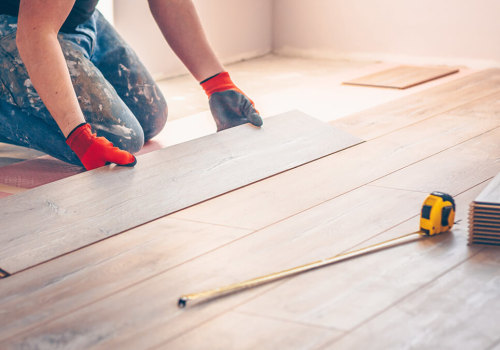
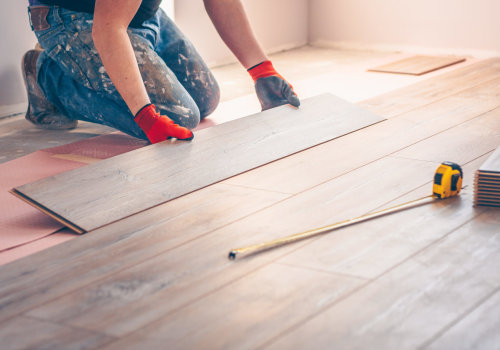
One of the first decisions you'll face is whether to tackle the installation yourself or hire a professional. While DIY installation can save you money, it requires a certain level of skill and knowledge about the specific flooring type. Here are some factors to consider:- Experience: If you have prior experience with flooring projects, you may feel confident in your ability to install it yourself.
However, if you're a novice, hiring a professional can ensure that the job is done correctly.
- Tools and Equipment: Professional installers come equipped with specialized tools that may not be readily available to the average homeowner. If you choose to go the DIY route, ensure you have all necessary tools on hand.
- Time Commitment: Installing flooring can be time-consuming. If you're short on time or have a busy schedule, hiring a professional may be the best option.
Acclimation of Flooring Materials
Regardless of whether you choose to install your flooring yourself or hire a professional, proper acclimation of flooring materials is essential for optimal performance. Acclimation allows the flooring to adjust to the temperature and humidity levels of your home before installation.Here’s how to do it:
- Timing: Allow your flooring materials to acclimate for at least 48 hours in the room where they will be installed. This helps prevent issues like warping or buckling after installation.
- Environment: Ensure that the room is at a stable temperature (ideally between 60°F and 80°F) and humidity level (between 30% and 50%) during this period.
- Unpack Carefully: Remove any packaging materials but keep the planks or tiles stacked together in their original bundles during acclimation.
Safety Considerations in Flooring Choices
When selecting flooring for your home, especially in spaces frequented by children or elderly individuals, safety should be a top priority. Certain flooring materials can pose risks such as slips, trips, and falls.Understanding the safety features of various flooring options can help you create a secure environment for your family.
Slip-Resistant Flooring Choices
One of the most significant safety concerns is the potential for slipping, particularly in areas prone to moisture, like kitchens and bathrooms. Here are some flooring options that offer enhanced slip resistance:- Ceramic and Porcelain Tiles: These tiles can be treated with a slip-resistant finish, making them a safer choice for wet areas. Look for tiles with a higher coefficient of friction (COF) rating to ensure better grip.
- Vinyl Flooring: Modern vinyl flooring often comes with textured surfaces that provide excellent traction. Additionally, it is water-resistant, making it ideal for kitchens and bathrooms.
- Rubber Flooring: Commonly used in gyms and play areas, rubber flooring is naturally slip-resistant and provides cushioning that can help prevent injuries from falls.
Child-Friendly Flooring Solutions
For families with young children, choosing flooring that is both safe and durable is essential.Here are some child-friendly options:
- Carpet Tiles: These are soft underfoot and can absorb impacts, reducing the risk of injury. If a tile gets stained or damaged, it can be easily replaced without needing to replace the entire carpet.
- Laminated Flooring: High-quality laminate floors can mimic the look of hardwood while being more resistant to scratches and spills. Many laminates also come with a textured surface that enhances grip.
- Bamboo Flooring: This eco-friendly option is not only durable but also has natural antimicrobial properties. It’s a safe choice for homes with children due to its resilience against wear and tear.
By prioritizing safety in your flooring choices, you can create a comfortable and secure living space for everyone in your home.
Conclusion: Choosing the Right Flooring for Your Needs
In summary, selecting the right flooring for your home is a multifaceted decision that hinges on various factors, including maintenance requirements, aesthetic preferences, and lifestyle considerations. Each flooring option discussed offers unique benefits and challenges, making it essential to evaluate them in the context of your specific needs.Vinyl flooring
stands out as a champion of easy maintenance, providing a durable and cost-effective solution for busy households. Its resistance to stains and scratches makes it ideal for high-traffic areas, while its vast array of designs allows homeowners to express their personal style without compromising on practicality.
Linoleum
, with its eco-friendly composition and easy-to-clean surface, is another excellent choice for those seeking a budget-friendly option. Its natural durability ensures that it can withstand the rigors of daily life while maintaining its appearance over time.
Ceramic tiles
offer a timeless elegance and are particularly suited for kitchens and bathrooms due to their water resistance.
However, potential issues such as cracking in older homes should be carefully considered. Opting for textured tiles can also enhance safety in wet areas, making them a smart choice for families.
Carpet tiles
provide flexibility and ease of maintenance, allowing homeowners to replace individual sections as needed without the expense of full carpet replacement. This adaptability is particularly beneficial in spaces prone to spills or heavy wear.
Luxury vinyl flooring
has emerged as a popular alternative that mimics the look of natural materials while offering superior durability and ease of care. This option is perfect for those who desire the aesthetic appeal of hardwood or stone without the associated upkeep.
Hardwood floors
, while requiring more attention to maintain their beauty, can be an investment that pays off in terms of value and timeless appeal.
Regular cleaning and occasional refinishing can keep them looking stunning for decades.Ultimately, the best flooring choice will depend on your individual circumstances. Consider factors such as your household's activity level, the presence of pets or children, and your willingness to invest time in maintenance. By weighing these elements against the characteristics of each flooring type, you can make an informed decision that enhances both the functionality and aesthetic of your home.Consulting with flooring professionals can also provide valuable insights tailored to your specific situation, ensuring that you choose a flooring solution that meets your needs while fitting seamlessly into your lifestyle.