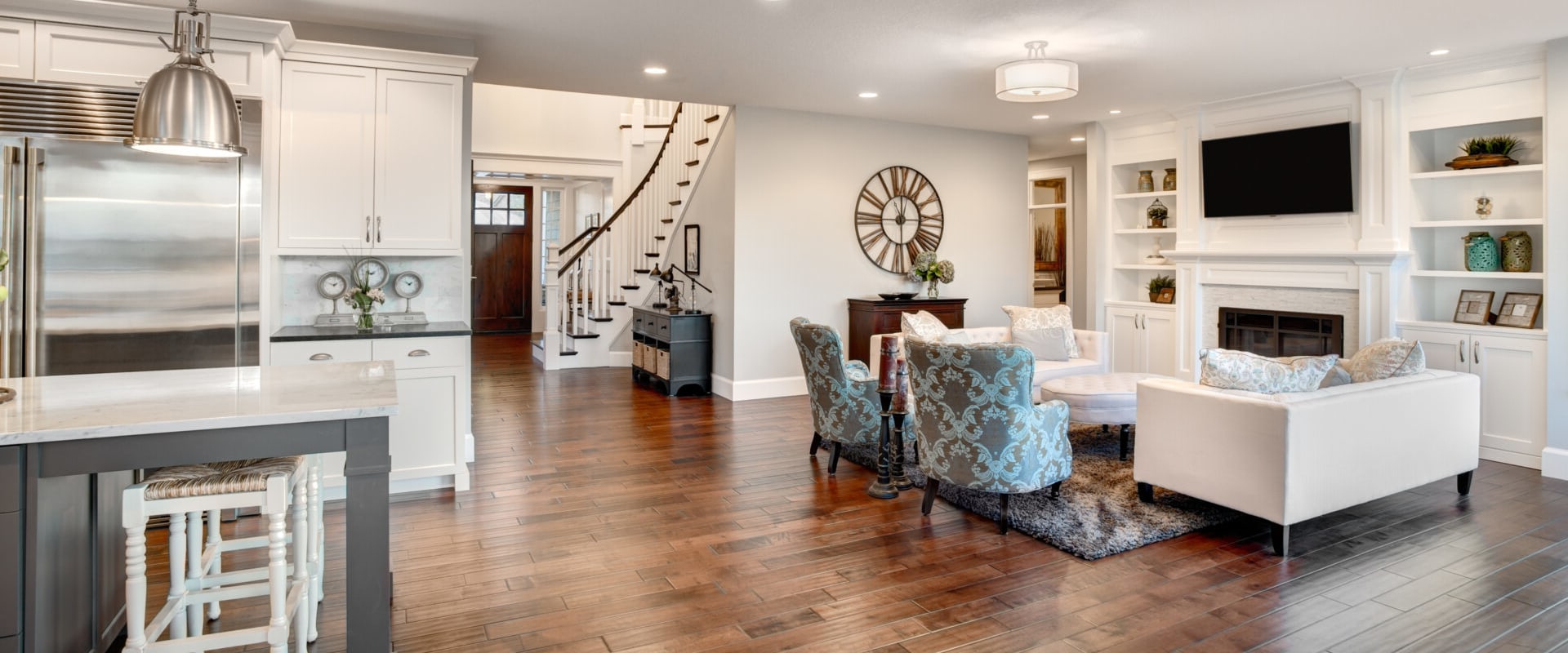
When it comes to creating a welcoming and functional living space, the choice of flooring plays a pivotal role. Flooring is not merely a surface to walk on; it serves as the foundation of your home’s aesthetic appeal and overall comfort. The right flooring can transform a room, enhancing its style and functionality while also reflecting your personal taste. To showcase your space effectively, consider Getting the Best Lighting for Virtual Tours, as the right lighting can highlight the unique benefits and challenges of each flooring option, whether you prefer the warmth of hardwood, the durability of tile, or the softness of carpet.Moreover, the impact of flooring extends beyond mere aesthetics. When it comes to creating a welcoming and functional living space, the choice of flooring plays a pivotal role. Flooring is not merely a surface to walk on; it serves as the foundation of your home’s aesthetic appeal and overall comfort. The right flooring can transform a room, enhancing its style and functionality while also reflecting your personal taste. To showcase your space effectively, consider Getting the Best Lighting for Virtual Tours, as the right lighting can highlight the unique benefits and challenges of each flooring option, whether you prefer the warmth of hardwood, the durability of tile, or the softness of carpet.Moreover, the impact of flooring extends beyond mere aesthetics.
It significantly influences your home’s value and resale potential. Prospective buyers often consider flooring as a key factor in their purchasing decision. High-quality flooring can elevate the perceived value of your home, making it more attractive in a competitive real estate market. Conversely, outdated or damaged flooring can detract from your home’s appeal, potentially leading to lower offers or extended time on the market.As you embark on the journey of selecting the perfect flooring for your home, it’s essential to understand how various materials and styles can affect both your living experience and your investment.
Factors such as durability, maintenance requirements, and environmental impact should all be taken into account. By making an informed choice, you not only enhance your home’s beauty but also ensure that it remains a comfortable and valuable asset for years to come.
Types of Flooring: An Overview
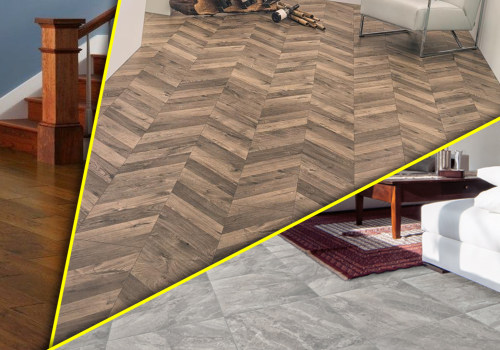
When it comes to selecting the right flooring for your home, understanding the various types of flooring available is crucial. Each type offers unique characteristics, benefits, and ideal applications that can significantly impact the overall aesthetic and functionality of your space. Below is a detailed overview of some of the most popular flooring options.Hardwood Flooring
Hardwood flooring
is a timeless choice that adds warmth and elegance to any room.
Made from solid wood or engineered wood, it is known for its durability and longevity. The natural grain patterns and rich colors of hardwood can enhance the beauty of your home.
- Benefits: Increases home value, easy to clean, and can be refinished multiple times.
- Ideal Use Cases: Living rooms, dining areas, and bedrooms.
Laminate Flooring
Laminate flooring
is a cost-effective alternative to hardwood that mimics its appearance. Composed of multiple layers, laminate is resistant to scratches and stains, making it a practical choice for high-traffic areas.
- Benefits: Affordable, easy to install, and available in various styles.
- Ideal Use Cases: Family rooms, playrooms, and rental properties.
Tile Flooring
Tile flooring
, made from materials such as ceramic or porcelain, is highly versatile and water-resistant. It comes in an array of colors, patterns, and textures, allowing for creative design possibilities.
- Benefits: Durable, easy to maintain, and ideal for wet areas.
- Ideal Use Cases: Kitchens, bathrooms, and entryways.
Carpet Flooring
Carpet flooring
provides comfort and warmth underfoot.
Available in various styles, colors, and textures, carpet can significantly reduce noise levels in a home.
- Benefits: Soft underfoot, excellent insulation properties, and available in numerous designs.
- Ideal Use Cases: Bedrooms, home theaters, and living rooms.
Vinyl Flooring
Vinyl flooring
, including luxury vinyl planks (LVP) and vinyl sheets, is known for its resilience and affordability. It can replicate the look of natural materials while offering superior water resistance.
- Benefits: Budget-friendly, easy to install, and low maintenance.
- Ideal Use Cases: Basements, kitchens, and laundry rooms.
Factors to Consider When Choosing Flooring
Choosing the right flooring for your home is a multifaceted decision that requires careful consideration of various factors. Each element plays a crucial role in ensuring that the flooring you select meets your lifestyle needs, aesthetic preferences, and budget constraints.Here are some essential factors to keep in mind:
- Durability: The durability of flooring materials is paramount, especially in high-traffic areas. Consider how much wear and tear your floors will endure. For instance, hardwood and tile are known for their longevity, while carpet may require more frequent replacement. Assess the specific needs of each room; for example, kitchens and entryways benefit from more resilient options.
- Maintenance: Different flooring types come with varying maintenance requirements.
Some materials, like vinyl and laminate, are relatively easy to clean and maintain, while others, such as natural stone or hardwood, may need regular sealing or refinishing. Think about how much time you are willing to invest in upkeep when making your choice.
- Cost: Flooring can be a significant investment, so it’s essential to establish a budget before you start shopping. Consider not only the initial cost of the material but also installation expenses and long-term maintenance costs. Some options may seem affordable upfront but could lead to higher expenses over time due to repairs or replacements.
- Style: The aesthetic appeal of your flooring should complement your home’s overall design.
Whether you prefer a modern look with sleek tiles or a cozy feel with plush carpets, ensure that the flooring aligns with your personal style and enhances the ambiance of each room.
- Environmental Impact: As sustainability becomes increasingly important, consider the environmental impact of your flooring choices. Look for eco-friendly materials such as bamboo or reclaimed wood that minimize harm to the planet. Additionally, check for certifications like FloorScore or GreenGuard that indicate low emissions and safe indoor air quality.
Room-Specific Flooring Recommendations
When it comes to selecting the right flooring for your home, understanding the specific needs of each room is crucial.Different areas of your home have unique requirements based on factors such as foot traffic, moisture levels, and overall aesthetic. Below are tailored recommendations for various rooms in your house.
Best Flooring for High-Traffic Areas
In spaces like hallways, living rooms, and entryways where foot traffic is heavy, durability is key. Consider the following options:- Luxury Vinyl Plank (LVP): This flooring option mimics the look of hardwood while offering superior resistance to scratches and dents. It’s also water-resistant, making it a versatile choice.
- Laminate Flooring: Known for its affordability and ease of installation, laminate is a great choice for high-traffic areas.
It’s durable and comes in a variety of styles that can suit any decor.
- Tile: Ceramic or porcelain tiles are incredibly durable and easy to clean, making them ideal for busy households. They can withstand heavy foot traffic without showing wear.
Kitchen Flooring Options
The kitchen is often the heart of the home, but it’s also a space prone to spills and moisture. Here are some excellent flooring choices:- Porcelain Tile: Highly resistant to water and stains, porcelain tile is perfect for kitchens. It’s available in various designs and can even mimic natural stone.
- Vinyl Flooring: Modern vinyl options are not only stylish but also waterproof.
They provide comfort underfoot and are easy to maintain, making them ideal for busy kitchens.
- Bamboo Flooring: An eco-friendly option that offers durability and a unique aesthetic. Bamboo is naturally resistant to moisture, making it suitable for kitchen environments.
Bathroom Flooring Recommendations
Bathrooms require flooring that can handle humidity and occasional splashes. Here are some top choices:- Ceramic Tile: A classic choice for bathrooms due to its water resistance and variety of styles. It’s easy to clean and can be laid in various patterns for added visual interest.
- LVP: Luxury vinyl plank is also an excellent option for bathrooms because it’s waterproof and comfortable underfoot.
It comes in many designs that can mimic wood or stone.
- Natural Stone: While more expensive, natural stone tiles like slate or travertine offer a luxurious feel. They are durable but require proper sealing to prevent water damage.
Budgeting for Your Flooring Project
When embarking on a flooring project, one of the most critical aspects to consider is your budget. Flooring can significantly impact your overall renovation costs, and understanding the financial implications of your choices is essential for a successful outcome.Here are some key factors to consider when budgeting for your flooring project.
1.Assessing Your Budget
Before diving into material selection, it’s important to establish a clear budget. Consider the following:
- Overall Renovation Costs: Determine how much you are willing to spend on the entire renovation project, including labor, materials, and any additional expenses.
- Flooring Area: Measure the total square footage of the area where you plan to install new flooring. This will help you calculate material costs more accurately.
- Contingency Fund: Set aside an additional 10-20% of your budget for unexpected expenses that may arise during installation.
2.Understanding Flooring Costs
The cost of flooring can vary widely based on the material you choose. Here’s a breakdown of some popular options:
- Hardwood: Typically ranges from $5 to $15 per square foot, depending on the type and quality.
- Laminates: A more budget-friendly option, costing between $1 and $5 per square foot.
- Tile: Prices can range from $1 to $20 per square foot, influenced by the type of tile (ceramic, porcelain, etc.) and design.
- Carpet: Generally falls between $2 and $10 per square foot, with additional costs for padding and installation.
- Vinyl: A versatile choice that can cost anywhere from $1 to $7 per square foot.
3.Installation Costs
In addition to material costs, don’t forget to factor in installation expenses.
Hiring a professional can add anywhere from $1 to $5 per square foot, depending on the complexity of the job and local labor rates. If you’re handy and considering a DIY approach, you could save significantly on these costs.
4.Tips for Staying Within Budget
- Shop Around: Compare prices from different suppliers and look for sales or discounts.
- Consider Alternatives: If your heart is set on a high-end material like hardwood, consider engineered wood or laminate as more affordable alternatives that still offer aesthetic appeal.
- Prioritize Areas: Focus on high-traffic areas first; you can always upgrade other spaces later as your budget allows.
Sustainability in Flooring Choices
In today's world, where environmental concerns are at the forefront of many homeowners' minds, sustainability in flooring choices has become increasingly important. Selecting eco-friendly flooring options not only contributes to a healthier planet but also enhances the overall aesthetic and value of your home.When considering sustainable flooring materials, it is essential to look for options that minimize environmental impact throughout their lifecycle. Here are some popular eco-friendly flooring choices:- Bamboo Flooring: Bamboo is a rapidly renewable resource that grows much faster than traditional hardwood trees.
It is durable, stylish, and can be harvested without harming the plant, making it an excellent choice for environmentally conscious homeowners.
- Cork Flooring: Harvested from the bark of cork oak trees, cork flooring is another sustainable option. The harvesting process does not harm the tree, allowing it to continue growing and producing cork for many years. Additionally, cork has natural insulating properties and is resistant to mold and mildew.
- Reclaimed Wood: Using reclaimed wood not only reduces waste but also adds character and history to your home. This type of flooring is sourced from old buildings, barns, or other structures, giving new life to materials that would otherwise be discarded.
- Linoleum: Made from natural materials such as linseed oil, cork dust, and wood flour, linoleum is biodegradable and has a low environmental impact.
It is available in various colors and patterns, making it a versatile choice for any room.
- Natural Stone: While the extraction process can be energy-intensive, natural stone flooring can last a lifetime with proper care. Opting for locally sourced stone can help reduce transportation emissions and support local economies.
Homebuyers are increasingly seeking properties that reflect their values regarding sustainability. By investing in eco-friendly flooring options, you not only enhance your home's appeal but also contribute positively to the environment.In conclusion, when selecting flooring for your home, consider the long-term benefits of sustainability. By opting for eco-friendly materials like bamboo, cork, reclaimed wood, linoleum, or natural stone, you can create a beautiful space that reflects your commitment to protecting the planet while enjoying the numerous advantages these materials offer.
Installation Process: What to Expect
When it comes to flooring installation, understanding the process is crucial for homeowners. Whether you choose to tackle the project yourself or hire professionals, knowing what to expect can help ensure a smooth transition to your new floors.Understanding the Installation Process
The installation process varies significantly depending on the type of flooring you select.Here’s a general overview of what you can expect:
- Preparation: Before installation begins, the area must be cleared of furniture and existing flooring. This may involve removing old carpets, tiles, or hardwood.
- Subfloor Assessment: The subfloor should be inspected for any damage or moisture issues. A solid, level subfloor is essential for a successful installation.
- Acclimation: Many flooring materials, especially hardwood and laminate, need to acclimate to the room's temperature and humidity. This process can take several days.
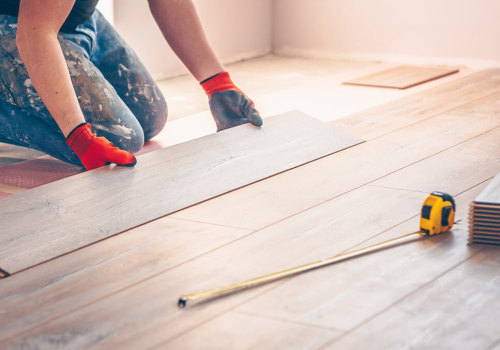
- Installation: Depending on the flooring type, installation methods will vary.
For example, hardwood may require nailing or gluing, while laminate often involves a click-lock system.
- Finishing Touches: After the main installation is complete, baseboards and transitions may need to be installed or adjusted to fit the new flooring.
DIY vs. Professional Installation
Deciding between a DIY approach and hiring professionals can significantly impact your flooring project. Here are some factors to consider:- Skill Level: If you have experience with home improvement projects and feel confident in your abilities, DIY might be a viable option. However, complex installations like tile or hardwood may require specialized skills.
- Time Commitment: DIY installations can be time-consuming.
If you have a busy schedule or limited time, hiring professionals may be more efficient.
- Cost Considerations: While DIY can save on labor costs, mistakes can lead to additional expenses. Professionals often provide warranties that cover their work, offering peace of mind.
Maintenance Tips for Different Flooring Types
Maintaining your flooring is essential not only for its longevity but also for preserving the aesthetic appeal of your home. Different types of flooring require specific care routines to ensure they remain in top condition. Below are tailored maintenance tips for various flooring types.Hardwood Floors
Hardwood floors are a popular choice due to their timeless beauty and durability.However, they do require regular maintenance to keep them looking their best:
- Regular Cleaning: Sweep or vacuum your hardwood floors at least once a week to remove dirt and debris that can scratch the surface. Use a soft-bristle broom or a vacuum with a hardwood floor attachment.
- Mopping: Use a damp mop with a cleaner specifically designed for hardwood floors. Avoid excessive water, as it can warp the wood. Aim to mop every month or as needed.
- Protective Measures: Place felt pads under furniture legs to prevent scratches and consider using area rugs in high-traffic zones.
- Refinishing: Depending on wear, hardwood floors may need refinishing every 5-10 years.
This process restores their original luster and removes deep scratches.
Carpet Floors
Carpets add warmth and comfort to any room, but they can trap dust and allergens if not properly maintained. Here are some effective cleaning tips:- Regular Vacuuming: Vacuum carpets at least once a week, and more frequently in high-traffic areas. Use a vacuum with strong suction and a rotating brush to lift dirt effectively.
- Spot Cleaning: Address spills immediately with a clean cloth and mild detergent. Blot the area rather than rubbing it to avoid spreading the stain.
- Deep Cleaning: Schedule professional deep cleaning every 12-18 months to remove embedded dirt and allergens.
Alternatively, you can rent a carpet cleaner for DIY maintenance.
- Rotate Furniture: To prevent uneven wear, periodically rearrange furniture and use coasters under heavy items.
Tiles and Vinyl Flooring
Tiles and vinyl are known for their durability and ease of maintenance, but they still require attention:- Regular Sweeping: Sweep or vacuum regularly to keep dirt from scratching the surface. A microfiber mop can also be effective for daily cleaning.
- Mopping: Use a pH-neutral cleaner with warm water for mopping. Avoid harsh chemicals that can damage the finish.
- Grout Care: For tiled floors, clean grout lines regularly with a mixture of baking soda and vinegar to prevent discoloration.
Frequently Asked Questions About Flooring Choices
When it comes to selecting the right flooring for your home, many homeowners have questions that can significantly impact their decision-making process.Below are some of the most frequently asked questions regarding flooring choices, along with detailed answers to help guide you.
What are the most popular types of flooring?
The most popular types of flooring include:- Hardwood: Known for its timeless appeal and durability, hardwood flooring is a favorite among homeowners.
- Laminates: A cost-effective alternative to hardwood, laminates offer a similar aesthetic with added resistance to scratches and moisture.
- Vinyl: Available in sheets, tiles, or planks, vinyl is versatile and water-resistant, making it ideal for kitchens and bathrooms.
- Tile: Ceramic and porcelain tiles are excellent for high-traffic areas due to their durability and ease of maintenance.
- Carpet: Soft and warm underfoot, carpet is perfect for bedrooms and living areas but requires more maintenance than other options.
How do I choose the right flooring for my space?
Selecting the right flooring involves considering several factors:- Room Function: Think about how the space will be used. High-traffic areas may require more durable materials.
- Style Preferences: Choose a flooring style that complements your home’s overall aesthetic.
- Budget: Determine how much you are willing to spend. Remember to factor in installation costs as well.
- Maintenance Requirements: Some materials require more upkeep than others; consider how much time you can dedicate to maintenance.
Is it necessary to hire a professional for installation?
While some flooring types can be installed as a DIY project, hiring a professional is often recommended for complex installations. Professionals ensure that the flooring is laid correctly, which can prevent future issues such as warping or uneven surfaces.Additionally, many manufacturers require professional installation to maintain warranties.
How can I maintain my flooring?
The maintenance of your flooring will depend on the material chosen. Here are some general tips:- Hardwood: Regularly sweep or vacuum and use a damp mop with a suitable cleaner.
- Laminates: Clean with a damp cloth and avoid excessive water exposure.
- Vinyl: Use a mild detergent and avoid abrasive cleaners that can scratch the surface.
- Tile: Regularly sweep and mop with a pH-neutral cleaner to keep grout lines clean.
- Carpet: Vacuum frequently and consider professional cleaning every 12-18 months.
Conclusion: Making the Right Flooring Choice for Your Home
Choosing the right flooring for your home is a significant decision that can impact not only the aesthetic appeal of your space but also its functionality and value. Throughout this guide, we have explored various flooring options, each with its unique benefits and considerations. As you reflect on your choices, it’s essential to keep in mind several key factors that will help you make an informed decision.1.Assess Your Lifestyle:
Your daily activities and lifestyle should heavily influence your flooring choice.
For instance, if you have pets or young children, durability and ease of maintenance become paramount. In such cases, materials like luxury vinyl or tile may be more suitable than hardwood, which can be prone to scratches and dents.
2.Consider the Climate:
The climate in your area can also affect your flooring selection. In humid regions, moisture-resistant options like laminate or tile are advisable to prevent warping and mold growth. Conversely, in colder climates, consider flooring that retains heat, such as carpet or cork.
3.Evaluate Your Budget:
Flooring can vary significantly in price, so it’s crucial to establish a budget before you start shopping.
While it may be tempting to opt for cheaper materials, investing in high-quality flooring can save you money in the long run through durability and lower maintenance costs.
4.Aesthetic Appeal:
The visual impact of your flooring cannot be overlooked. It should complement your home’s overall design and style. Whether you prefer the classic elegance of hardwood or the modern look of polished concrete, ensure that your choice aligns with your personal taste and enhances the ambiance of your home.
5.Seek Professional Advice:
Finally, don’t hesitate to consult with flooring professionals who can provide insights tailored to your specific needs. They can help you navigate the myriad of options available and assist in making a choice that balances beauty, functionality, and budget.In conclusion, selecting the perfect flooring for your home is a multifaceted process that requires careful consideration of various factors.
By taking the time to evaluate your lifestyle, climate, budget, aesthetic preferences, and seeking expert advice, you can ensure that your flooring choice not only meets your immediate needs but also adds lasting value to your home.