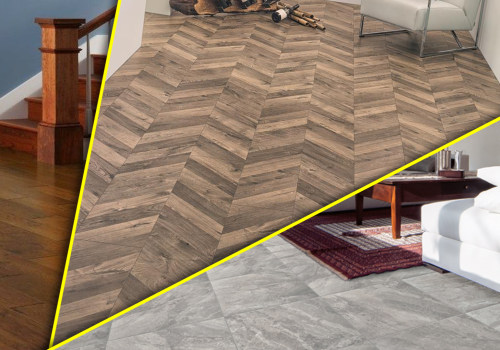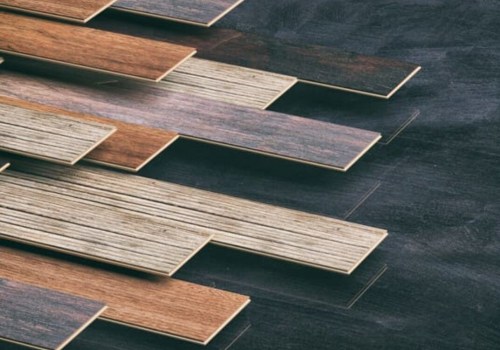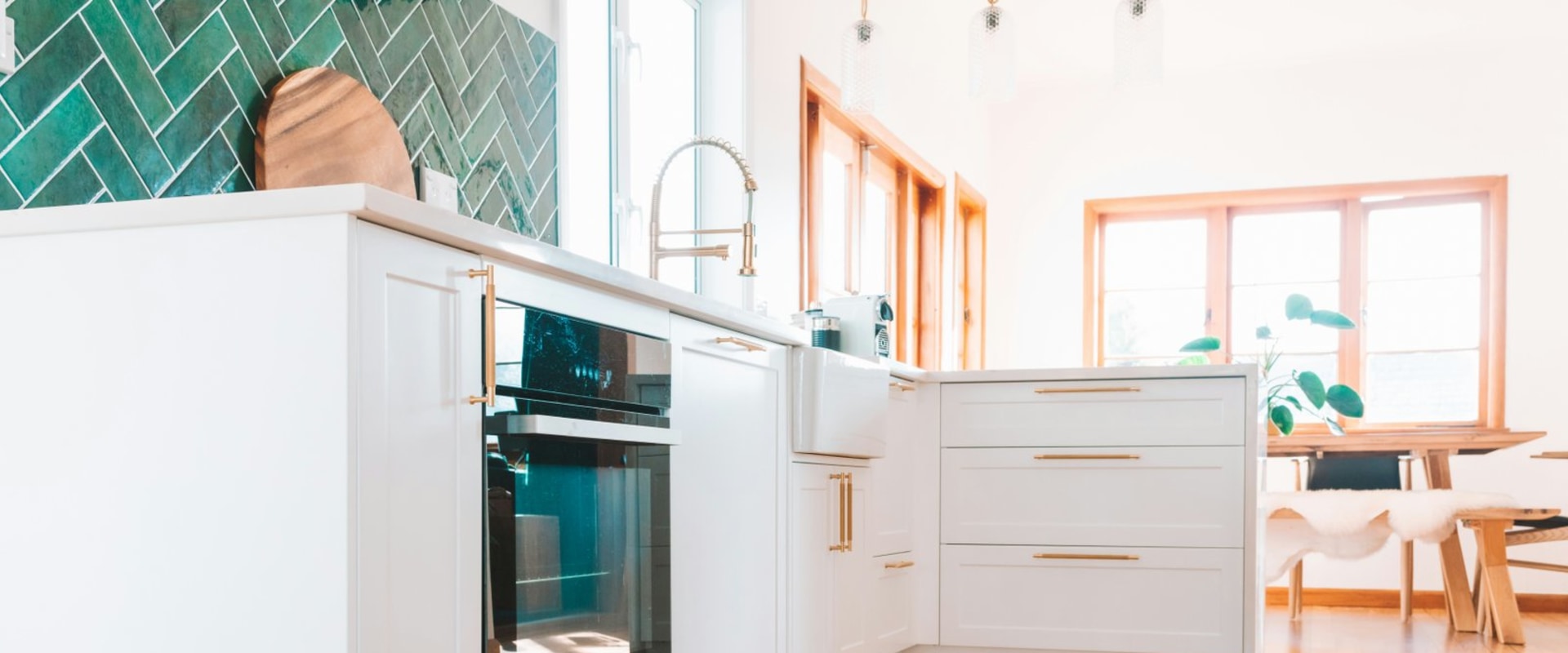
Vinyl plank flooring has emerged as a popular choice among homeowners looking to enhance their living spaces without breaking the bank. But what exactly is vinyl plank flooring? Essentially, it is a type of resilient flooring that mimics the appearance of natural materials like hardwood or stone while offering superior durability and ease of maintenance. Made from multiple layers of synthetic materials, vinyl planks are designed to withstand the rigors of daily life, making them an ideal option for busy households.One of the standout features of vinyl plank flooring is its versatility. It comes in various styles, colors, and textures, allowing homeowners to achieve the aesthetic they desire.
The two primary types of vinyl flooring are luxury vinyl tile (LVT) and vinyl composite tile (VCT). LVT is known for its high-end look and feel, often featuring intricate designs that closely resemble real wood or stone. On the other hand, VCT is typically more affordable and is commonly used in commercial settings due to its durability and ease of installation.The benefits of vinyl plank flooring extend beyond just aesthetics. It is water-resistant, making it suitable for areas prone to moisture, such as kitchens and bathrooms.
Additionally, its cushioned surface provides comfort underfoot, reducing fatigue during long periods of standing. With advancements in technology, modern vinyl planks also offer enhanced sound insulation and are available in options that are eco-friendly, appealing to environmentally conscious consumers.As you consider your flooring options, understanding the unique characteristics and advantages of vinyl plank flooring can help you make an informed decision that not only meets your design preferences but also adds value to your home. Whether you're renovating a single room or planning a complete overhaul, vinyl plank flooring presents a compelling solution that combines style, functionality, and affordability.
The Benefits of Vinyl Plank Flooring
When considering flooring options, vinyl plank flooring stands out for its numerous advantages that cater to both aesthetic preferences and practical needs. Homeowners are increasingly drawn to this versatile flooring solution due to its remarkable durability, ease of maintenance, and visual appeal.Durability of Vinyl Flooring
One of the most significant benefits of vinyl plank flooring is its exceptional durability.
Designed to withstand the rigors of daily life, vinyl planks are resistant to scratches, dents, and stains. This makes them an ideal choice for high-traffic areas in your home, such as living rooms, hallways, and kitchens. Additionally, many vinyl planks come with a protective wear layer that enhances their resilience against wear and tear.Moreover, vinyl flooring is inherently moisture-resistant, making it suitable for areas prone to spills or humidity, such as bathrooms and basements. Unlike hardwood or laminate flooring, which can warp or swell when exposed to moisture, vinyl planks maintain their integrity over time.
This characteristic not only prolongs the lifespan of your floors but also reduces the need for frequent replacements.
Maintenance of Vinyl Flooring
Another compelling reason to choose vinyl plank flooring is its low maintenance requirements. Unlike other flooring materials that may require extensive cleaning routines or special products, vinyl floors can be easily maintained with simple cleaning methods. Regular sweeping or vacuuming to remove dirt and debris, followed by occasional mopping with a mild detergent, is typically all that is needed to keep your floors looking pristine.This ease of maintenance not only saves you time but also reduces long-term costs associated with cleaning supplies and professional services. Furthermore, because vinyl is non-porous, it resists the growth of mold and mildew, making it a healthier option for your home environment.
Aesthetic Appeal
In addition to its practical benefits, vinyl plank flooring offers a wide range of design options that can enhance the overall aesthetic of your home.
Available in various colors, patterns, and textures, vinyl can mimic the look of natural materials like hardwood or stone without the associated costs or maintenance challenges. This versatility allows homeowners to achieve their desired interior design style while staying within budget.In summary, the combination of durability, low maintenance needs, and aesthetic versatility makes vinyl plank flooring an excellent choice for homeowners looking to maximize their investment in their property. By selecting this type of flooring, you not only improve the functionality of your living spaces but also contribute positively to your home's overall value.
Vinyl Plank Flooring vs. Other Flooring Options
When considering flooring options for your home, it’s essential to weigh the pros and cons of each type, particularly when comparing vinyl plank flooring to other popular choices like hardwood and laminate.Each flooring type has its unique characteristics, costs, and potential return on investment.
Vinyl Plank vs. Hardwood Flooring
Hardwood flooring is often regarded as the gold standard in home flooring due to its timeless appeal and durability. However, it comes with a hefty price tag, often ranging from $8 to $15 per square foot for materials alone, not including installation. In contrast, vinyl plank flooring is significantly more affordable, typically costing between $2 to $7 per square foot.This cost-effectiveness makes vinyl an attractive option for homeowners looking to enhance their space without breaking the bank.While hardwood can increase a home’s value substantially, it requires regular maintenance, including refinishing and careful cleaning to prevent damage. Vinyl plank flooring, on the other hand, is resistant to scratches and moisture, making it a low-maintenance alternative that can withstand the rigors of daily life.
Vinyl vs. Laminate Flooring
Laminate flooring is another contender in the budget-friendly category, often priced similarly to vinyl. However, there are key differences between the two.Laminate is made from composite wood and can be susceptible to moisture damage, making it less suitable for areas like basements or bathrooms. Vinyl plank flooring excels in these environments due to its water-resistant properties.In terms of aesthetics, both options offer a variety of styles and finishes that mimic natural materials. However, vinyl tends to provide a more realistic look and feel compared to laminate. This realism can be crucial when considering resale value; potential buyers may be more impressed by the appearance of high-quality vinyl than laminate.
Best Flooring Options for Home Value
Ultimately, the best flooring option for maximizing your home’s value depends on your specific needs and budget.While hardwood remains a top choice for long-term investment, vinyl plank flooring offers an excellent balance of affordability and durability. It’s particularly advantageous for homeowners looking to renovate on a budget while still enhancing their property’s appeal.In summary, when comparing vinyl plank flooring with hardwood and laminate options, consider factors such as cost, maintenance requirements, and potential return on investment. By making an informed choice based on these criteria, you can ensure that your flooring not only meets your aesthetic preferences but also contributes positively to your home’s overall value.
How Vinyl Plank Flooring Can Increase Home Value
When considering home improvements, many homeowners often ask, "does vinyl flooring increase home value ?" The answer is a resounding yes, particularly when it comes to vinyl plank flooring. This modern flooring option not only enhances the aesthetic appeal of your home but also offers a solid return on investment (ROI) that can significantly boost your property’s market value.According to a report by the National Association of Realtors, flooring upgrades can yield an ROI of up to 70%.While traditional hardwood floors are often seen as the gold standard for increasing home value, vinyl plank flooring has emerged as a competitive alternative due to its affordability and versatility. Homeowners can achieve the look of hardwood or stone without the hefty price tag, making it an attractive option for budget-conscious buyers.One of the key advantages of vinyl plank flooring is its durability. Unlike other flooring types that may wear down over time, vinyl is resistant to scratches, stains, and moisture. This durability not only makes it appealing to potential buyers but also reduces long-term maintenance costs for homeowners.
In fact, homes with well-maintained vinyl floors often sell faster than those with outdated or damaged flooring.Moreover, the home value and flooring choices are closely linked. A cohesive design throughout your home can create a more inviting atmosphere, which is crucial during showings. By opting for vinyl plank flooring in multiple rooms, you can establish a seamless flow that enhances the overall appeal of your space. This consistency can be a deciding factor for buyers who are looking for move-in-ready homes.In addition to aesthetic benefits, many real estate experts recommend vinyl plank flooring as a smart investment.
For instance, a study by Remodeling Magazine found that homeowners who installed luxury vinyl plank flooring recouped approximately 75% of their investment upon selling their homes. This statistic underscores the importance of choosing the right flooring when aiming to maximize your home’s value.In conclusion, if you’re looking to enhance your home’s market value while staying within budget, vinyl plank flooring is an excellent choice. Its combination of durability, aesthetic appeal, and strong ROI makes it a wise investment for any homeowner looking to increase their property’s worth.
Choosing the Right Vinyl Plank Flooring for Your Home
When it comes to choosing vinyl plank flooring for your home, several factors come into play that can significantly influence your decision. Understanding these elements will help you select the best option that aligns with your style, budget, and specific room requirements.1.Assess Your Style Preferences
- Consider the overall aesthetic of your home.
Vinyl plank flooring comes in a variety of designs, colors, and textures that can mimic natural materials like hardwood or stone.
- Think about the ambiance you want to create in each room. For instance, lighter tones can make a space feel larger and more open, while darker shades can add warmth and coziness.
2.Determine Your Budget
- Establish a clear budget before you start shopping. Vinyl plank flooring is generally more affordable than hardwood or tile, but prices can vary based on brand and quality.
- Don’t forget to factor in additional costs such as underlayment, installation, and maintenance when calculating your total investment.
3.Evaluate Room Requirements
- Different rooms have different needs. For example, moisture-resistant vinyl is ideal for bathrooms and kitchens, while thicker planks may be better suited for high-traffic areas like hallways.
- Consider the subfloor condition as well; some vinyl options require a smooth surface for optimal installation.
4.Research Top Brands
Some of the best brands of vinyl flooring include:
- Shaw Floors: Known for its durability and extensive design options.
- Mohawk: Offers a wide range of styles with a focus on sustainability.
- Luxury Vinyl by Armstrong: Renowned for its realistic wood and stone looks.
- Beauflor: Provides elegant designs that are both stylish and functional.
Remember, the right vinyl plank flooring can transform your space while providing long-lasting durability and ease of maintenance.
Installation Tips for Vinyl Plank Flooring
Installing vinyl plank flooring can be a rewarding project that enhances the aesthetic and value of your home. However, proper installation is crucial to ensure longevity and performance. Here are some essential tips to guide you through the process.Preparation for Vinyl Floor Installation
Before diving into the installation, adequate preparation is key. Start by assessing the subfloor where you plan to install the vinyl planks.It should be clean, dry, and level. Any imperfections can lead to issues down the line, such as warping or uneven surfaces.
- Clean the Subfloor: Remove any debris, dust, or old flooring materials. A clean surface ensures better adhesion and prevents moisture issues.
- Check for Levelness: Use a level tool to identify any dips or high spots. If necessary, use a self-leveling compound to create a smooth surface.
- Acclimate Your Planks: Allow your vinyl planks to acclimate in the room where they will be installed for at least 48 hours.
This helps them adjust to the room's temperature and humidity.
DIY vs. Professional Installation
Deciding whether to tackle the installation yourself or hire a professional can significantly impact your project’s outcome. Here are some factors to consider:- Skill Level: If you have experience with home improvement projects and feel confident in your abilities, DIY installation can save you money. However, if you're unsure about your skills, hiring a professional may be wise.
- Time Commitment: Installing vinyl plank flooring can be time-consuming, especially for beginners.
Consider how much time you can dedicate to the project and whether you want it completed quickly.
- Tools Required: Ensure you have all necessary tools, such as a utility knife, measuring tape, and spacers. If you lack these tools or don’t want to invest in them, hiring a professional might be more convenient.
Maintaining Your Vinyl Plank Flooring
Maintaining your vinyl plank flooring is crucial for preserving its aesthetic appeal and ensuring its longevity. With the right care, these floors can last for many years while retaining their original beauty.Here are some essential maintenance practices to keep your vinyl floors looking their best:
- Regular Cleaning: Sweep or vacuum your vinyl plank floors regularly to remove dirt and debris. This prevents scratches and keeps the surface clean. For deeper cleaning, use a damp mop with a mild detergent specifically designed for vinyl flooring.
- Avoid Harsh Chemicals: When cleaning, steer clear of abrasive cleaners or those containing bleach, as they can damage the finish of your vinyl planks. Instead, opt for pH-neutral cleaners that are safe for vinyl surfaces.
- Address Spills Promptly: Vinyl flooring is resistant to moisture, but it’s still important to wipe up spills immediately to prevent any potential staining or slipping hazards.
Use a soft cloth or paper towel to blot the area dry.
- Use Furniture Pads: To prevent scratches and dents from furniture, place felt pads under the legs of chairs and tables. This simple step can significantly reduce wear and tear on your flooring.
- Avoid Excessive Water: While vinyl is water-resistant, excessive moisture can seep into seams and cause damage over time. When mopping, ensure that the mop is only slightly damp rather than soaking wet.
- Rotate Rugs and Mats: If you use area rugs or mats, rotate them periodically to prevent uneven fading and wear in high-traffic areas.
- Maintain Indoor Humidity: Keeping indoor humidity levels between 30% and 50% can help prevent expansion and contraction of the vinyl planks, which can lead to gaps or buckling.
- Professional Maintenance: Every few years, consider hiring a professional cleaning service that specializes in vinyl flooring. They can provide deep cleaning and maintenance that may not be achievable with regular household methods.
Not only will this enhance the beauty of your home, but it will also help maintain its value in the long run.
Common Myths About Vinyl Plank Flooring
When considering vinyl plank flooring, many homeowners encounter a variety of myths and misconceptions that can cloud their judgment. Understanding the truth behind these myths is essential for making informed decisions about your flooring options. Here, we will debunk some of the most common myths surrounding vinyl plank flooring.- Myth 1: Vinyl Plank Flooring Is Cheap and Low-Quality
While it’s true that vinyl plank flooring is often more affordable than hardwood or tile, this does not mean it is of low quality. In fact, many luxury vinyl planks are designed to mimic the appearance of natural materials while offering superior durability and resistance to wear and tear.High-quality vinyl flooring can withstand heavy foot traffic, making it a practical choice for busy households.
- Myth 2: Vinyl Flooring Is Not Environmentally Friendly
Another misconception is that vinyl flooring is harmful to the environment. Modern manufacturing processes have improved significantly, and many brands now offer eco-friendly options made from recycled materials. Additionally, vinyl flooring can contribute to energy efficiency in homes due to its insulating properties. - Myth 3: Vinyl Plank Flooring Is Difficult to Maintain
Some believe that maintaining vinyl plank flooring is a hassle. In reality, it is one of the easiest flooring types to care for.Regular sweeping and occasional mopping with a gentle cleaner are usually all that’s needed to keep it looking new. Unlike hardwood, vinyl does not require refinishing or special treatments.
- Myth 4: Vinyl Flooring Will Decrease My Home's Value
Many homeowners worry that installing vinyl plank flooring will negatively impact their home’s resale value. However, when installed correctly and chosen in appealing designs, vinyl can enhance the aesthetic appeal of your home and attract potential buyers. It’s important to select styles that complement your home’s overall design.
It offers a blend of affordability, durability, and aesthetic appeal that can significantly enhance your living space without compromising on quality or value.
Conclusion: Making an Informed Decision on Vinyl Plank Flooring
In conclusion, selecting the right flooring for your home is a decision that extends beyond mere aesthetics; it can significantly influence your property's overall value. Throughout this article, we have explored the various benefits of vinyl plank flooring, including its affordability, durability, and versatility. These attributes make it an appealing choice for homeowners looking to enhance their living spaces without breaking the bank.One of the most compelling reasons to consider vinyl plank flooring is its ability to mimic the look of more expensive materials, such as hardwood or stone, while providing a more budget-friendly option. This means you can achieve a high-end appearance in your home without the associated costs.Additionally, vinyl plank flooring is designed to withstand the rigors of daily life, making it an excellent choice for families with children or pets.Moreover, we discussed how maintaining consistency in flooring choices throughout your home can create a cohesive and inviting atmosphere. This is crucial not only for your enjoyment but also for potential buyers who may view your home in the future. A unified look can enhance the perceived value of your property and make it more attractive on the real estate market.It’s also important to remember that while vinyl plank flooring may not provide the same return on investment as hardwood floors, it still offers significant advantages in terms of cost-effectiveness and ease of maintenance. For homeowners on a budget, this makes vinyl an excellent alternative that can still contribute positively to your home’s value.Ultimately, making an informed decision about your flooring options involves weighing the pros and cons of each material against your personal needs and financial situation.
By considering factors such as durability, maintenance requirements, and aesthetic appeal, you can choose a flooring solution that not only meets your immediate needs but also enhances your home's long-term value.In summary, vinyl plank flooring stands out as a practical choice for homeowners aiming to maximize their investment while enjoying a stylish and functional living space. Whether you are renovating an existing home or building new, investing in quality flooring will undoubtedly pay off in the long run.