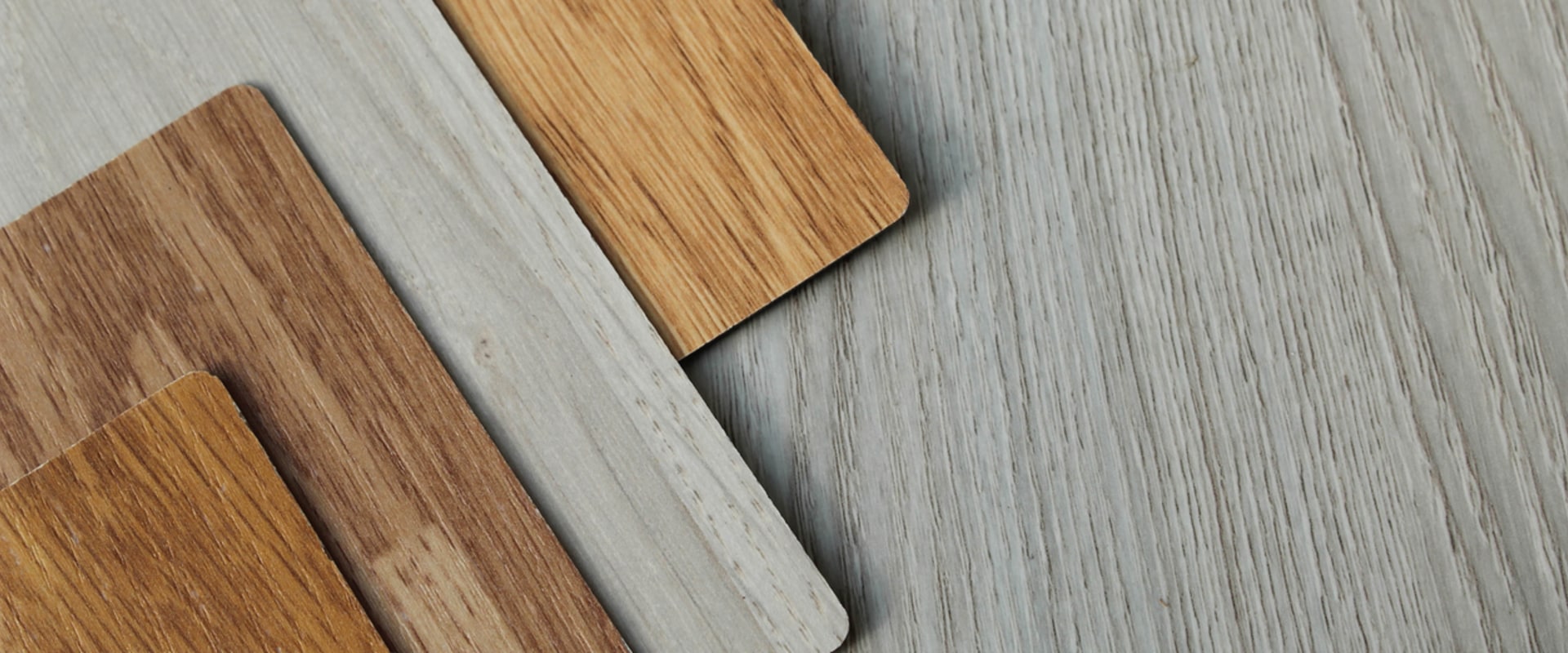
When it comes to selecting the right flooring for your home or business, longevity is a critical factor that cannot be overlooked. The flooring you choose not only impacts the aesthetic appeal of your space but also plays a significant role in your overall maintenance costs and the comfort of your environment. With a myriad of options available, understanding which types of flooring offer the best durability and lifespan is essential for making an informed decision.Durable flooring options are particularly important in high-traffic areas where wear and tear can quickly diminish the appearance and functionality of your floors. Whether you are considering hardwood, laminate, tile, or vinyl, each type has its unique characteristics that contribute to its longevity.
For instance, while solid hardwood floors can be refinished multiple times to restore their original beauty, other materials like laminate may offer impressive scratch resistance but lack the ability to be restored once damaged.Moreover, environmental factors such as humidity, temperature fluctuations, and exposure to moisture can significantly affect the lifespan of various flooring types. Therefore, it is crucial to evaluate not only the material itself but also how it will perform in your specific setting. By prioritizing flooring longevity, you can ensure that your investment stands the test of time, providing both functionality and style for years to come.In this article, we will delve deeper into the various flooring options available on the market today, examining their lifespans, maintenance requirements, and suitability for different environments. This comprehensive exploration will equip you with the knowledge needed to select the most durable flooring solution tailored to your needs.
Understanding Flooring Lifespan
When considering the longevity of flooring, it is essential to understand the various factors that contribute to its lifespan.Different materials, installation techniques, and maintenance practices all play a significant role in determining how long your flooring will last.
Material Quality
The type of material used in your flooring is one of the most critical factors affecting its durability. For instance, solid hardwood floors are renowned for their longevity, often lasting several decades when properly maintained. In contrast, lower-quality laminate or vinyl options may not withstand heavy foot traffic as well and could require replacement sooner. When selecting flooring, consider the material's inherent properties, such as hardness, moisture resistance, and susceptibility to scratches.
Installation Methods
How flooring is installed can significantly impact its lifespan.
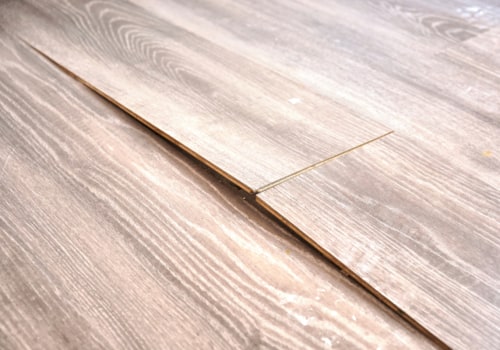
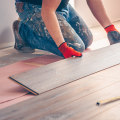
Professional installation typically ensures that the flooring is laid correctly, minimizing issues such as warping or gaps that can lead to premature wear. For example, improper installation of tile can result in cracking or loosening over time. Additionally, using the right underlayment can enhance sound insulation and moisture protection, further extending the life of your flooring.
Maintenance Practices
Regular maintenance is crucial for prolonging the life of any flooring type. This includes routine cleaning to remove dirt and debris that can cause scratches and dullness.
For hardwood floors, periodic refinishing can restore their original beauty and protect against wear. Similarly, carpets may require professional cleaning to remove stains and allergens effectively. Understanding the specific maintenance needs of your chosen flooring type will help you keep it looking new for years to come.
Environmental Factors
The environment in which your flooring is installed also plays a role in its durability. High humidity levels can cause wood floors to swell and warp, while excessively dry conditions can lead to cracking.
Additionally, exposure to direct sunlight can fade certain materials over time. To mitigate these effects, consider using area rugs in high-traffic zones and ensuring proper ventilation in areas prone to moisture.In summary, understanding the factors that influence flooring lifespan—including material quality, installation methods, maintenance practices, and environmental conditions—will empower you to make informed decisions that enhance the durability of your floors.
Solid Hardwood Flooring: Timeless Durability
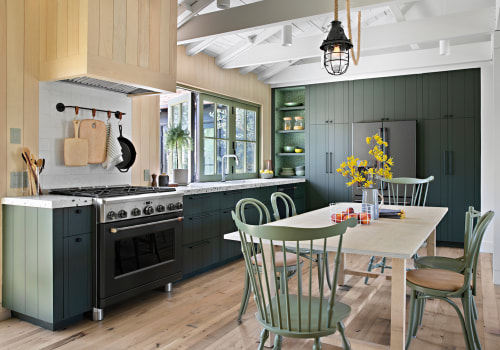
When considering flooring options that offer both beauty and longevity, solid hardwood flooring stands out as a premier choice. With an average lifespan of 50 years or more, solid hardwood floors are not only a long-term investment but also a timeless addition to any home.Benefits of Solid Hardwood Floors
- Durability: Solid hardwood is renowned for its strength and resilience. Unlike other flooring types, it can withstand heavy foot traffic and is less prone to damage from everyday wear and tear.
- Aesthetic Appeal: The natural beauty of hardwood adds warmth and character to any space.
Available in various species, colors, and finishes, it can complement any interior design style.
- Restorability: One of the most significant advantages of solid hardwood is its ability to be sanded and refinished multiple times throughout its life. This means that even after years of use, your floors can be restored to their original glory, making them look brand new.
- Increased Home Value: Homes with solid hardwood flooring often see an increase in property value. Potential buyers appreciate the quality and durability of hardwood, making it a desirable feature in real estate.
Maintenance Tips for Solid Hardwood Floors
To ensure that your solid hardwood floors last as long as possible, proper maintenance is essential. Here are some tips:
- Regular Cleaning: Sweep or vacuum regularly to remove dirt and debris that can scratch the surface.
Use a damp mop with a cleaner specifically designed for hardwood floors to maintain shine without damaging the finish.
- Avoid Excess Moisture: Water can warp and damage hardwood floors. Wipe up spills immediately and use mats in areas prone to moisture, such as entryways or kitchens.
- Sanding and Refinishing: Depending on the wear, consider sanding and refinishing your floors every 5 to 10 years. This process removes scratches and restores the finish, extending the life of your flooring.
- Use Protective Pads: Place felt pads under furniture legs to prevent scratches when moving items around. Additionally, avoid wearing high heels or shoes with hard soles on your hardwood floors.
With proper care and maintenance, these floors can last for generations, making them a worthwhile investment for any homeowner.
Engineered Hardwood Flooring: A Versatile Alternative
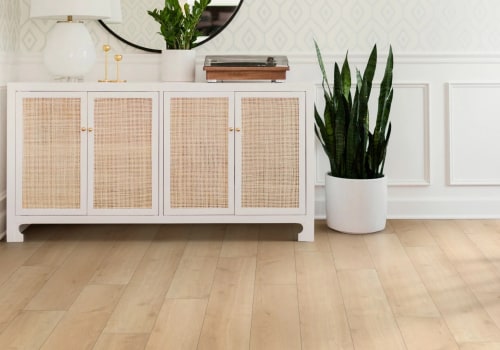
Engineered hardwood flooring has gained popularity as a versatile alternative to traditional solid hardwood. One of the most significant advantages of engineered wood is its lifespan, which typically ranges from 25 to 30 years , depending on the quality of the product and the level of maintenance it receives. Unlike solid hardwood, which can be sanded and refinished multiple times, engineered hardwood can only be refinished once or twice due to its thinner veneer layer. This characteristic makes it essential for homeowners to choose high-quality engineered options if they wish to maximize longevity.When comparing engineered hardwood to solid hardwood, several factors come into play.Solid hardwood is renowned for its durability and ability to be restored, but it is also more susceptible to moisture and temperature fluctuations. Engineered hardwood, on the other hand, is constructed with multiple layers of wood, making it more dimensionally stable. This stability allows it to perform better in environments with varying humidity levels, such as basements or homes in humid climates.Another advantage of engineered wood is its aesthetic appeal. It offers a wide range of styles and finishes that can mimic the look of solid hardwood while often being more affordable.
Homeowners can find options that suit their design preferences without compromising on quality or durability.In addition to its moisture resistance and aesthetic versatility, engineered hardwood is also easier to install than solid wood. Many products come with click-lock systems that allow for floating installations , eliminating the need for glue or nails. This feature not only simplifies the installation process but also makes it a popular choice for DIY enthusiasts.Overall, engineered hardwood flooring presents a compelling option for those seeking a balance between beauty, durability, and practicality. Its lifespan, moisture resistance, and ease of installation make it suitable for various environments, ensuring that homeowners can enjoy the elegance of wood flooring without the drawbacks associated with solid hardwood.
Laminate Flooring: Affordable Durability
When considering flooring options, laminate flooring stands out as a popular choice due to its combination of affordability and durability.Designed to mimic the appearance of hardwood or stone, laminate flooring is constructed from multiple layers that contribute to its resilience and longevity.The average lifespan of laminate flooring typically ranges from 15 to 25 years, depending on the quality of the product and the level of foot traffic it endures. Higher-end laminates often feature thicker wear layers, which enhance their durability and resistance to scratches, stains, and fading. This makes them an excellent choice for busy households or commercial spaces where durability is paramount.
Durability Features of Laminate Flooring
One of the key advantages of laminate flooring is its robust wear layer, which protects against everyday wear and tear. This layer is designed to withstand impacts from furniture, pet claws, and high foot traffic.Additionally, many laminate products come with moisture-resistant properties, making them suitable for areas like kitchens and bathrooms where spills are common.In comparison to traditional hardwood flooring, laminate offers several benefits:
- Cost-Effectiveness: Laminate is generally more affordable than hardwood, making it accessible for homeowners on a budget.
- Easy Installation: Many laminate floors feature a click-lock installation system that allows for quick and easy DIY projects.
- Low Maintenance: Unlike hardwood, which requires regular refinishing and special cleaning products, laminate can be easily cleaned with a damp mop or vacuum.
Luxury Vinyl Tile (LVT): Stylish and Resilient
Luxury Vinyl Tile (LVT) has emerged as a popular flooring choice for homeowners and designers alike, thanks to its remarkable combination of durability, aesthetic appeal, and versatility.One of the standout features of LVT is its impressive lifespan, which can range from 15 to 25 years, depending on the quality of the product and the level of foot traffic it endures. This longevity makes it a wise investment for both residential and commercial spaces.One of the primary benefits of LVT is its ability to mimic the appearance of natural materials such as hardwood, stone, or ceramic tile without the associated maintenance challenges. The advanced printing technology used in LVT production allows for stunningly realistic designs that can enhance any interior decor. Additionally, LVT is available in a variety of styles, colors, and textures, making it easy to find an option that complements your design vision.In terms of durability, LVT is engineered to withstand heavy foot traffic, making it an excellent choice for busy households or commercial environments.
Its wear layer provides resistance against scratches, stains, and dents, ensuring that your floors maintain their beauty over time. Furthermore, LVT is inherently waterproof, making it suitable for moisture-prone areas like kitchens and bathrooms.When comparing LVT to laminate flooring, several key differences emerge. While both options are designed to be affordable alternatives to hardwood flooring, LVT typically offers superior water resistance and durability. Laminate flooring can be susceptible to moisture damage if not properly sealed, whereas LVT's waterproof nature allows it to thrive in humid conditions without warping or buckling.Moreover, LVT can be installed over most existing floors without the need for additional underlayment, simplifying the installation process.
This ease of installation further enhances its appeal for DIY enthusiasts and professional installers alike.In summary, Luxury Vinyl Tile stands out as a stylish and resilient flooring option that combines longevity with aesthetic versatility. Its ability to resist wear and moisture makes it a practical choice for various settings, while its realistic designs allow homeowners to achieve their desired look without compromising on durability.
Porcelain and Ceramic Tile: The Ultimate in Durability
When it comes to flooring options that offer exceptional durability, porcelain and ceramic tiles stand out as top contenders. Both materials are renowned for their strength and longevity, making them ideal choices for various applications in residential and commercial settings.Lifespan of Porcelain and Ceramic Tiles
Porcelain tiles typically have a lifespan of 50 years or more, while ceramic tiles can last anywhere from 20 to 30 years, depending on the quality and maintenance. The dense composition of porcelain makes it less porous than ceramic, which contributes to its superior durability.
This characteristic allows porcelain tiles to withstand heavy foot traffic, making them suitable for high-traffic areas such as entryways, kitchens, and commercial spaces.
Durability Factors
- Resistance to Moisture: Both porcelain and ceramic tiles are highly resistant to moisture, making them excellent choices for bathrooms, kitchens, and laundry rooms. Their low porosity helps prevent water absorption, reducing the risk of mold and mildew.
- Scratch and Stain Resistance: The hard surface of these tiles is resistant to scratches and stains, ensuring they maintain their appearance over time. This makes them ideal for homes with pets or children.
- Heat Resistance: Porcelain tiles can withstand high temperatures, making them suitable for use near fireplaces or in outdoor settings.
Best Uses for Tile Flooring
The versatility of porcelain and ceramic tiles allows them to be used in a variety of settings:
- Bathrooms: Their water resistance makes them perfect for wet areas.
- Kitchens: Easy to clean and maintain, they are ideal for countertops and backsplashes.
- Entryways: Their durability can handle the wear from shoes and outdoor elements.
- Commercial Spaces: High-traffic areas benefit from the strength of these tiles.
Maintenance Requirements
Maintaining porcelain and ceramic tiles is relatively straightforward. Regular sweeping or vacuuming helps remove dirt and debris, while mopping with a mild detergent keeps the surface clean.
For grout lines, periodic scrubbing may be necessary to prevent staining. With proper care, these tiles can retain their beauty and functionality for decades.In conclusion, if you are looking for flooring that combines longevity with aesthetic appeal, porcelain and ceramic tiles are among the best options available. Their impressive lifespan, coupled with their resistance to moisture, scratches, and stains, makes them a wise investment for any home or business.
Bamboo Flooring: Eco-Friendly and Strong
Bamboo flooring has gained popularity in recent years, not only for its aesthetic appeal but also for its impressive durability and sustainability. As a rapidly renewable resource, bamboo can be harvested every three to five years, making it an eco-friendly alternative to traditional hardwoods that take decades to mature.When considering the lifespan of bamboo flooring , it typically ranges from 20 to 25 years, depending on the quality of the product and the level of maintenance it receives.High-quality bamboo floors, particularly those made from strand-woven bamboo, can last even longer due to their enhanced density and strength. This durability makes bamboo a viable option for various areas in the home, including high-traffic zones.One of the significant benefits of bamboo floors is their resistance to moisture and humidity. Unlike traditional hardwoods, which can warp or swell when exposed to water, bamboo has a natural resistance that makes it suitable for kitchens and bathrooms. Additionally, bamboo flooring is less prone to scratches and dents compared to softer woods, making it an excellent choice for households with pets or children.In terms of environmental impact, bamboo flooring is a standout option.
Its cultivation requires minimal pesticides and fertilizers, and its rapid growth rate means that it can be harvested sustainably without depleting resources. Furthermore, many manufacturers produce bamboo flooring using low-VOC (volatile organic compounds) adhesives and finishes, contributing to better indoor air quality.When comparing bamboo vs hardwood , there are several factors to consider. While traditional hardwoods like oak or maple can offer timeless beauty and longevity, they often come with a higher environmental cost due to deforestation and longer growth cycles. Bamboo provides a similar aesthetic appeal with a unique grain pattern while being more sustainable.In conclusion, bamboo flooring presents an attractive option for those seeking a durable, eco-friendly flooring solution.
With its impressive lifespan, resistance to moisture, and minimal environmental impact, it stands as a strong contender against traditional hardwoods in both residential and commercial settings.
Concrete Flooring: Industrial Strength Meets Style
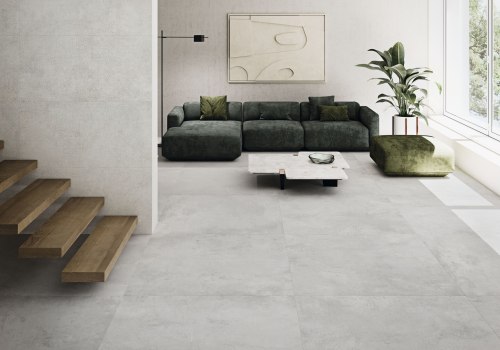
Concrete flooring is renowned for its exceptional durability and versatility, making it a popular choice for both residential and commercial spaces. With an average lifespan of 30 to 50 years, concrete floors can outlast many other flooring options when properly maintained. This longevity is largely due to the inherent strength of concrete, which can withstand heavy foot traffic, impacts, and even harsh weather conditions.One of the primary benefits of concrete flooring is its customizability. Homeowners and designers can choose from a variety of finishes, colors, and textures to create a unique look that complements any interior style.Techniques such as staining, polishing, and stamping allow for a wide range of aesthetic options—from sleek modern designs to rustic, textured appearances. This adaptability makes concrete suitable for various settings, including kitchens, living rooms, and even outdoor patios.In addition to its visual appeal, concrete flooring offers practical advantages. It is low-maintenance , requiring only occasional sealing and cleaning to keep it looking its best. Unlike wood or carpet, concrete does not harbor allergens or dust mites, making it a healthier choice for indoor environments.
Furthermore, its thermal mass can help regulate indoor temperatures, potentially reducing heating and cooling costs.When comparing concrete to other flooring materials such as hardwood or tile, several factors come into play:
- Durability: While hardwood can scratch and dent over time, concrete remains resilient against wear and tear.
- Water Resistance: Concrete is inherently moisture-resistant, making it ideal for areas prone to spills or humidity.
- Cost-Effectiveness: Although the initial installation cost may be higher than some alternatives, the long lifespan and low maintenance needs often make concrete a more economical choice in the long run.
<strong>Choosing the Right Flooring for Your Needs</strong>
When it comes to selecting the right flooring for your home or business, several factors come into play that can significantly influence your decision. Understanding your specific needs and the characteristics of various flooring options is crucial for making an informed choice.Durability and Longevity
One of the primary considerations is the durability of the flooring material. For high-traffic areas, such as hallways and living rooms, you’ll want a floor that can withstand wear and tear.
Laminate and vinyl flooring are excellent choices due to their robust wear layers that resist scratches and stains. On the other hand, if you prefer a more natural look, engineered hardwood offers a balance of beauty and durability, lasting up to 30 years with proper care.
Moisture Resistance
If you’re considering flooring for areas prone to moisture, such as bathrooms or kitchens, it’s essential to choose materials that can handle humidity without warping or degrading.
Porcelain tiles
are highly recommended for these spaces due to their water-resistant properties. Additionally, luxury vinyl tiles (LVT) provide a stylish alternative that is also waterproof, making them suitable for various environments.Aesthetic Appeal
The visual aspect of flooring cannot be overlooked.
Your choice should complement your home’s overall design. Solid wood floors bring warmth and elegance, while modern options like bamboo or luxury vinyl can offer contemporary flair. Consider how different textures and colors will harmonize with your existing decor.
Maintenance Requirements
Different flooring types come with varying maintenance needs. For instance, while solid wood can be refinished multiple times, it requires regular upkeep to maintain its appearance.
In contrast, laminate and vinyl floors are generally easier to clean and maintain, making them ideal for busy households.
Cost Considerations
Your budget will also play a significant role in your flooring decision. While solid hardwood may be the most aesthetically pleasing option, it often comes with a higher price tag. Laminate and vinyl provide cost-effective alternatives without sacrificing style or durability.Ultimately, choosing the right flooring involves balancing these factors—durability, moisture resistance, aesthetic appeal, maintenance requirements, and cost—to find the perfect fit for your lifestyle and space.