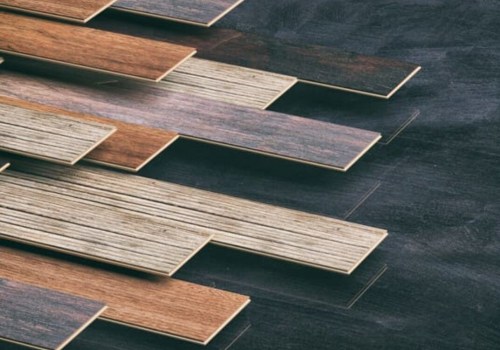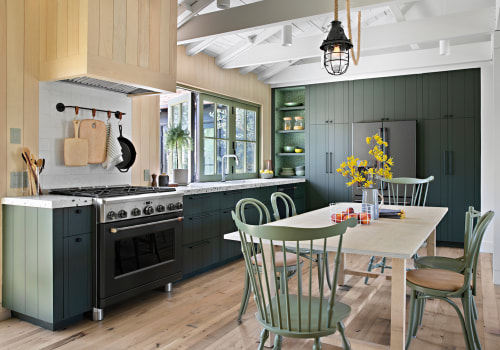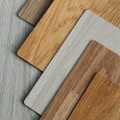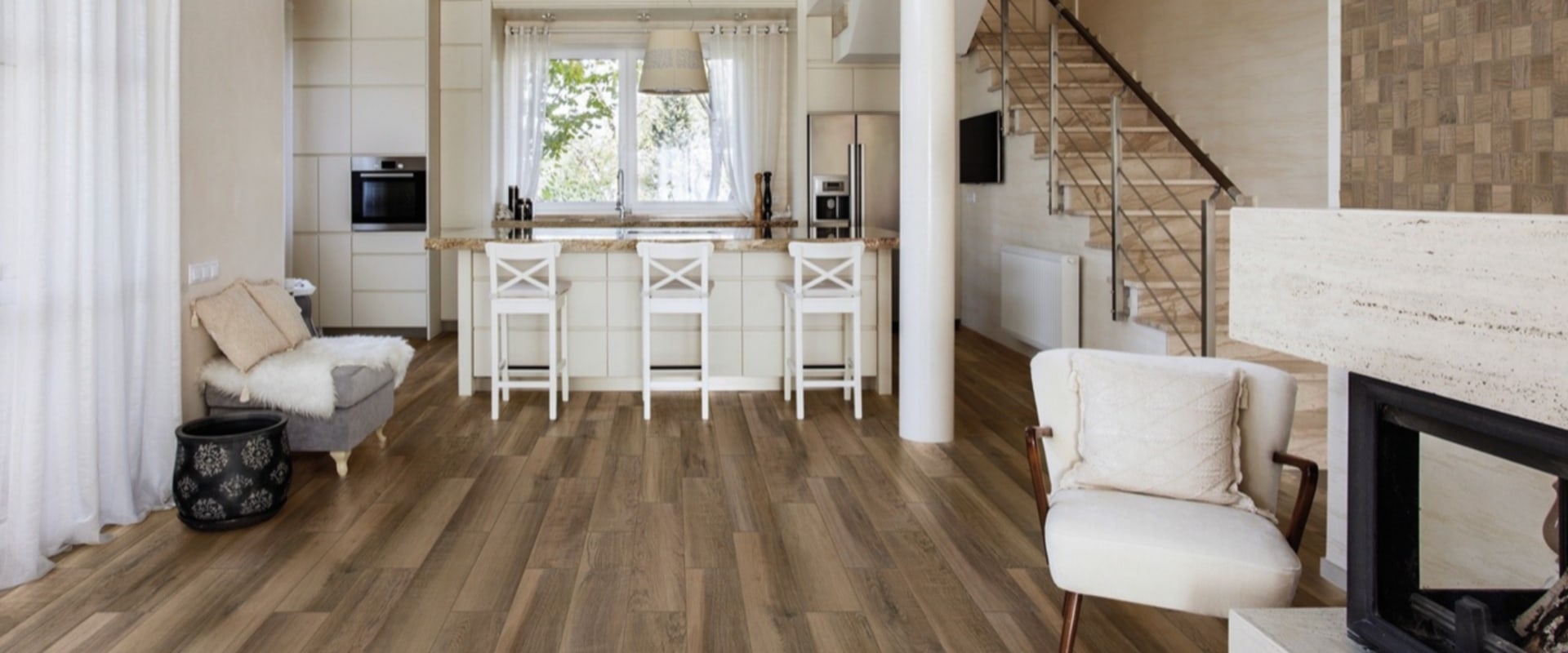
In recent years, wood-looking tile floors have surged in popularity, captivating homeowners and designers alike with their unique blend of aesthetics and practicality. These innovative tiles are crafted to replicate the natural beauty of hardwood, offering a stunning visual appeal that can enhance any space. With advancements in technology, manufacturers have perfected the art of mimicking the intricate grains and textures found in real wood, making it increasingly difficult to distinguish between the two. This remarkable realism is one of the primary reasons why wood-looking tiles have become a favored choice for flooring.Beyond their striking appearance, the benefits of tile flooring extend far beyond mere aesthetics.
One of the most significant advantages is their durability. Unlike traditional hardwood, which can be susceptible to scratches, dents, and water damage, wood-looking tiles are designed to withstand the rigors of daily life. They are resistant to moisture, making them an ideal option for areas prone to spills or humidity, such as kitchens and bathrooms. Additionally, these tiles are easy to maintain; a simple sweep and occasional mopping are often all that is needed to keep them looking pristine.Moreover, wood-looking tiles offer a versatile range of styles and finishes that can complement various interior design themes. One of the most significant advantages is their durability. Unlike traditional hardwood, which can be susceptible to scratches, dents, and water damage, wood-looking tiles are designed to withstand the rigors of daily life. They are resistant to moisture, making them an ideal option for areas prone to spills or humidity, such as kitchens and bathrooms. Additionally, these tiles are easy to maintain; a simple sweep and occasional mopping are often all that is needed to keep them looking pristine.Moreover, wood-looking tiles offer a versatile range of styles and finishes that can complement various interior design themes.
Whether you prefer a rustic farmhouse vibe or a sleek modern aesthetic, there is a tile option that can meet your vision. This versatility allows homeowners to achieve the warmth and charm of wood without sacrificing functionality or durability. As we delve deeper into the world of flooring options, it becomes clear that wood-looking tiles not only provide an elegant solution but also represent a smart investment for those seeking long-lasting beauty in their homes.
Understanding Wood-Looking Tile: What Is It?
Wood-looking tiles, also known as wood-effect tiles, are a remarkable innovation in the flooring industry that combines the aesthetic appeal of natural wood with the durability and practicality of ceramic or porcelain materials. These tiles are designed to replicate the intricate patterns, textures, and colors found in real hardwood, making them an attractive option for homeowners who desire the warmth of wood without the associated maintenance challenges.Manufactured through advanced printing technology, wood-looking tiles undergo a meticulous process that begins with high-resolution images of actual wood grains.These images are then printed onto the surface of the tile, allowing for a stunningly realistic appearance. The tiles are typically made from either ceramic or porcelain , both of which are known for their strength and resistance to moisture, making them suitable for various environments, including kitchens and bathrooms.There are several types of wood-looking tiles available on the market today:
- Ceramic Wood Tiles: These tiles are made from clay and other natural materials, fired at high temperatures to create a durable surface. They are often more affordable than porcelain options.
- Porcelain Wood Tiles: Denser and less porous than ceramic, porcelain tiles offer superior durability and water resistance. They are ideal for high-traffic areas and can even be used outdoors.
- Luxury Vinyl Plank (LVP): While not technically a tile, LVP mimics wood flooring closely and is known for its comfort underfoot and ease of installation.
It is a popular choice for those seeking a softer feel.
- Durability: Wood-looking tiles are resistant to scratches, stains, and moisture, making them a more durable option than hardwood, which can be susceptible to damage from water and heavy foot traffic.
- Maintenance: Unlike hardwood floors that require regular refinishing and special cleaning products, wood-looking tiles can be easily maintained with simple sweeping and mopping.
- Cost: While high-quality hardwood can be expensive, wood-looking tiles often provide a more budget-friendly alternative without sacrificing style.
The Benefits of Choosing Wood-Looking Tile Floors
When it comes to selecting flooring for your home, the choice can be overwhelming. However, wood-looking tile floors stand out as a remarkable option that combines beauty, functionality, and longevity. Here are some of the key benefits that make these tiles an excellent choice for homeowners.1.Exceptional Durability
One of the most significant advantages of wood-looking tile floors is their durability.
Unlike traditional hardwood, which can be susceptible to scratches, dents, and water damage, tile is inherently resistant to these issues. Made from fired clay or other robust materials, wood-looking tiles can withstand heavy foot traffic and are less likely to show wear over time. This makes them an ideal choice for busy households with children and pets.
2.Low Maintenance Requirements
Another compelling reason to choose wood-looking tile is the ease of maintenance. Unlike real wood floors that require regular refinishing and special cleaning products, tile floors can be easily cleaned with a damp mop and mild detergent.
They do not absorb stains or odors, making them a hygienic option for any room in your home.
3.Aesthetic Versatility
Wood-looking tiles come in a wide variety of styles, colors, and textures, allowing homeowners to achieve the desired aesthetic without sacrificing practicality. Whether you prefer the rustic charm of reclaimed wood or the sleek look of modern planks, there’s a tile design that can complement your interior decor. This versatility means you can create a cohesive look throughout your home while enjoying the benefits of tile.
4.Water Resistance
For areas prone to moisture—such as kitchens, bathrooms, and basements—wood-looking tile is an excellent choice due to its water-resistant properties. Unlike hardwood floors that can warp or swell when exposed to water, tile remains unaffected by humidity and spills, ensuring your flooring maintains its beauty over time.
5.Eco-Friendly Options
Many manufacturers now offer eco-friendly wood-looking tiles made from recycled materials or sustainable sources.
By choosing these options, homeowners can enjoy beautiful flooring while also making environmentally conscious decisions.In summary, the benefits of wood-looking tile floors extend far beyond their visual appeal. With their durability, low maintenance needs, aesthetic versatility, water resistance, and eco-friendly options, these tiles represent a smart investment for any homeowner looking to enhance their living space.
Design Versatility: Styles and Finishes Available
When it comes to wood-looking tile floors, the design versatility is one of their most appealing features. These tiles are available in a wide array of styles and finishes, allowing homeowners to find the perfect match for their unique aesthetic preferences and interior design themes.Styles of Wood-Looking Tiles
- Traditional Styles: For those who appreciate classic design, traditional wood-looking tiles often feature rich, warm tones that mimic the appearance of oak or cherry wood. These tiles can create a cozy and inviting atmosphere, making them ideal for living rooms and dining areas.
- Rustic Styles: If you’re drawn to a more rustic vibe, consider tiles that replicate reclaimed wood.
These options often showcase knots, weathered textures, and varying shades that evoke a sense of history and charm. They work beautifully in cabins or farmhouse-style homes.
- Modern Styles: For contemporary spaces, sleek and minimalist wood-looking tiles are available in lighter shades like ash or maple. These designs often feature clean lines and subtle textures, making them perfect for modern apartments or open-concept homes.
- Industrial Styles: Industrial-themed interiors can benefit from tiles that combine wood aesthetics with concrete or metal finishes. This fusion creates a striking contrast that enhances the raw beauty of industrial design.
Finishes for Tile Flooring
The finish of wood-looking tiles can significantly impact the overall look and feel of your space.
Here are some popular finishes to consider:
- Satin Finish: A satin finish offers a soft sheen that enhances the natural beauty of the tile while providing some protection against scratches and stains. This finish is versatile and works well in both traditional and modern settings.
- Matte Finish: For a more understated look, matte finishes provide a non-reflective surface that can help hide dirt and imperfections. This finish is particularly popular in rustic or industrial designs.
- Glossy Finish: Glossy finishes create a polished appearance that can brighten up a room by reflecting light. However, they may require more maintenance to keep them looking pristine.
Design Ideas for Tile Floors
Incorporating wood-looking tiles into your home opens up numerous design possibilities:
- Accent Walls: Use wood-looking tiles to create an accent wall in your living room or bedroom, adding depth and texture to the space.
- Mixed Materials: Combine wood-looking tiles with other materials like stone or ceramic to create visually interesting patterns and contrasts.
- Area Rugs: Layering area rugs over tile floors can soften the look while adding warmth and comfort to your space.
Installation Process: What to Expect
Installing wood-looking tile floors can be a rewarding project that enhances the beauty and functionality of your home.Whether you choose to tackle the installation yourself or hire a professional, understanding the process is essential for achieving the best results.
DIY Installation: A Hands-On Approach
If you’re considering a DIY installation, it’s important to be prepared and informed. Here’s a step-by-step guide to help you through the process:
- Gather Your Tools and Materials: Before starting, ensure you have all necessary tools, including a tile cutter, trowel, level, spacers, and grout. Additionally, purchase enough wood-looking tiles to cover your space, plus extra for mistakes or future repairs.
- Prepare the Subfloor: A clean, dry, and level subfloor is crucial for a successful installation. Remove any old flooring and repair any imperfections in the subfloor.
- Plan Your Layout: Before laying tiles, plan your layout to minimize cuts and ensure a balanced look.
Use chalk lines to mark guidelines on the subfloor.
- Apply Adhesive: Using a notched trowel, spread thin-set mortar on the subfloor. Work in small sections to prevent the adhesive from drying out before you lay the tiles.
- Lay the Tiles: Start placing tiles along your guidelines, using spacers to maintain even gaps for grout. Press each tile firmly into the adhesive.
- Cut Tiles as Needed: Use a tile cutter for edges and corners. Measure carefully to ensure a snug fit.
- Grout the Joints: Once the adhesive has cured (usually 24 hours), remove spacers and apply grout between the tiles using a rubber float.
Wipe away excess grout with a damp sponge.
- Seal if Necessary: Depending on your grout type, you may need to apply a sealer after it has dried to protect against moisture and stains.
Professional Installation: When to Call in Experts
If DIY isn’t your style or if you’re working with a large area, hiring professionals can save time and ensure quality. Here are some considerations:
- Experience Matters: Professional installers have the expertise to handle complex layouts and ensure proper techniques are used throughout the installation process.
- Time Efficiency: Professionals can complete installations much faster than most DIYers, allowing you to enjoy your new floors sooner.
- Warranty Benefits: Many professional installations come with warranties that cover both labor and materials, providing peace of mind for homeowners.
Maintenance Tips for Wood-Looking Tile Floors
Maintaining the beauty of your wood-looking tile floors is essential to ensure they remain a stunning feature in your home. With the right care and cleaning methods, these tiles can retain their charm for years to come.Here are some practical tips to help you keep your flooring in excellent condition.
Regular Cleaning
To maintain the appearance of your wood-looking tile floors, regular cleaning is crucial. Here are some steps to follow:- Daily Sweeping or Vacuuming: Use a soft-bristle broom or a vacuum cleaner with a hard floor setting to remove dust and debris. This prevents scratches and keeps the surface clean.
- Weekly Mopping: Mop your floors weekly using a damp mop and a pH-neutral cleaner specifically designed for tile. Avoid using excessive water, as it can seep into grout lines and cause damage.
- Spot Cleaning: For spills or stains, promptly clean the area with a soft cloth and a mild detergent.
Avoid abrasive cleaners that can scratch the surface.
Choosing the Right Cleaning Products
When it comes to cleaning wood-looking tiles, selecting the right products is vital:- Avoid Harsh Chemicals: Stay away from bleach or ammonia-based cleaners, as they can damage the finish of your tiles.
- Use pH-Neutral Cleaners: Opt for cleaners that are specifically formulated for tile floors. These products are gentle yet effective in removing dirt without harming the surface.
- Test New Products: Before using any new cleaning product, test it on a small, inconspicuous area to ensure it does not cause discoloration or damage.
Preventive Measures
Taking preventive measures can significantly extend the life of your wood-looking tile floors:- Use Area Rugs: Place area rugs in high-traffic areas to protect your tiles from scratches and wear.
- Add Furniture Pads: Attach felt pads to the bottom of furniture legs to prevent scratching when moving items around.
- Avoid Excessive Moisture: Ensure that spills are cleaned up immediately and avoid mopping with excessive water to prevent moisture damage.
Cost Considerations: Budgeting for Your Flooring Project
When embarking on a flooring project, understanding the cost factors associated with wood-looking tile is essential for effective budgeting. The initial price of materials, installation costs, and long-term maintenance should all be considered to ensure you make a well-informed decision.Cost of Wood-Looking Tile
The price of wood-looking tile can vary significantly based on several factors, including the brand, quality, and design.
On average, homeowners can expect to pay between $2 to $7 per square foot for the tiles themselves. Premium options with intricate designs or textures may reach upwards of $10 per square foot. Additionally, it’s important to factor in the cost of underlayment and grout, which can add another $1 to $3 per square foot.
Installation Costs
Installation is another critical component of your flooring budget. Hiring a professional installer typically costs between $3 to $8 per square foot, depending on the complexity of the job and your geographical location.
If you opt for DIY installation, you can save on labor costs but should still consider the tools and materials needed for a successful project.
Price Comparison with Hardwood Floors
When comparing wood-looking tile to traditional hardwood floors, it’s essential to look at both initial costs and long-term value. Hardwood flooring generally ranges from $5 to $15 per square foot for materials alone, with installation costs similar to those of tile. However, hardwood requires more maintenance over time, including refinishing every few years, which can add significant costs.In contrast, wood-looking tiles are often more resistant to scratches and moisture, making them a more durable option in high-traffic areas or homes with pets. This durability can lead to lower maintenance costs over time, making wood-looking tiles a financially savvy choice in the long run.
Conclusion
Ultimately, while the upfront costs of wood-looking tile may be comparable to hardwood floors, their durability and low maintenance requirements can make them a more economical choice over time.
By carefully considering all aspects of your flooring project budget, you can select an option that not only fits your aesthetic preferences but also aligns with your financial goals.
Environmental Impact: Sustainability of Tile Flooring
When considering flooring options, the sustainability of materials is becoming increasingly important for homeowners who are conscious of their environmental footprint. Wood-looking tile floors stand out not only for their aesthetic appeal but also for their eco-friendly attributes. Unlike traditional hardwood, which often involves deforestation and habitat destruction, wood-looking tiles are typically made from natural clay and other sustainable materials, making them a more environmentally responsible choice.One of the key advantages of tile flooring is its longevity. High-quality tiles can last for decades, reducing the need for frequent replacements that contribute to waste.Additionally, many manufacturers are adopting sustainable practices in their production processes. For instance, some companies utilize recycled materials in their tile compositions, further minimizing environmental impact.Moreover, the energy efficiency of tile flooring is noteworthy. Tiles can help regulate indoor temperatures, keeping homes cooler in the summer and warmer in the winter. This natural insulation reduces reliance on heating and cooling systems, leading to lower energy consumption and a smaller carbon footprint.Homeowners looking to make eco-friendly choices should also consider the lifecycle of their flooring materials.
Wood-looking tiles are often produced with low-VOC (volatile organic compounds) glazes and finishes, which contribute to better indoor air quality compared to some other flooring options that may emit harmful chemicals.In addition to these benefits, many wood-looking tiles are designed to be easily maintained. Their resistance to stains and moisture means that less harsh cleaning chemicals are needed over time, further reducing environmental impact.In conclusion, when evaluating the environmental impact of flooring options, wood-looking tiles emerge as a sustainable choice that combines beauty with responsibility. By selecting tiles that prioritize eco-friendly manufacturing practices and longevity, homeowners can enjoy stylish interiors while contributing positively to the planet.
Frequently Asked Questions About Wood-Looking Tile Floors
When considering wood-looking tile floors, potential buyers often have a myriad of questions. This section aims to address some of the most frequently asked questions and clear up common misconceptions surrounding these versatile flooring options.What are wood-looking tiles made of?
Wood-looking tiles are typically made from ceramic or porcelain.These materials are designed to replicate the appearance of natural wood while providing the durability and low maintenance that traditional hardwood cannot offer. The advanced printing technology used in their production allows for intricate designs and textures that closely mimic real wood grains.
Are wood-looking tiles suitable for all areas of my home?
Yes, one of the significant advantages of wood-looking tiles is their versatility. They can be installed in various areas, including kitchens, bathrooms, and even outdoor spaces, without the risk of warping or damage from moisture. Unlike hardwood, which can swell or shrink with humidity changes, these tiles maintain their integrity over time.How do wood-looking tiles compare to real hardwood in terms of comfort?
While wood-looking tiles may not provide the same warmth underfoot as natural wood, many manufacturers offer options with added cushioning or underlayment that can enhance comfort.Additionally, area rugs can be used to create a cozy atmosphere in living spaces.
Do wood-looking tiles require special cleaning products?
No special cleaning products are necessary for maintaining wood-looking tiles. A simple mixture of warm water and mild detergent is usually sufficient for regular cleaning. Avoid harsh chemicals or abrasive cleaners, as they can damage the tile's finish.Are there any misconceptions about wood-looking tile floors?
- Misconception 1: Wood-looking tiles are cold and uncomfortable.
- Misconception 2: They are not as durable as real wood.
- Misconception 3: Wood-looking tiles are only suitable for modern homes.
With their aesthetic appeal and practical benefits, they stand out as a smart flooring choice for any home.
Conclusion: The Lasting Appeal of Wood-Looking Tile Floors
In conclusion, the allure of wood-looking tile floors is undeniable, combining the aesthetic charm of natural wood with the practical benefits of modern tile technology. Throughout this article, we have explored various aspects that contribute to the lasting appeal of these innovative flooring options.One of the most significant advantages of wood-looking tiles is their remarkable durability. Unlike traditional hardwood, which can be susceptible to scratches, dents, and moisture damage, these tiles are engineered to withstand the rigors of daily life. This makes them an ideal choice for high-traffic areas such as living rooms, kitchens, and entryways, where resilience is paramount.Moreover, the versatility of wood-looking tiles cannot be overstated.Available in a wide range of colors, textures, and finishes, they can seamlessly complement any interior design style—from rustic farmhouse to sleek modern aesthetics. Homeowners can choose from a variety of shades that mimic different types of wood, allowing for personalized expression without sacrificing functionality.Another key point is the ease of maintenance associated with wood-looking tiles. Unlike real wood floors that require regular refinishing and special cleaning products, these tiles can be easily cleaned with standard household cleaners and do not need periodic sealing. This low-maintenance aspect is particularly appealing for busy families or individuals who prefer a hassle-free lifestyle.Furthermore, as we discussed earlier, the environmental impact of flooring choices is becoming increasingly important.
Many manufacturers produce wood-looking tiles using sustainable practices and materials, making them an eco-friendly option for conscientious consumers.Ultimately, choosing wood-looking tile floors means investing in a flooring solution that offers both beauty and practicality. Their timeless elegance ensures they will remain in style for years to come, while their durability and ease of care make them a smart choice for any home. As trends evolve and preferences shift, one thing remains clear: wood-looking tiles are here to stay as a beloved flooring option that beautifully bridges the gap between nature and modern living.