When it comes to selecting the right flooring for your home, the choices can be overwhelming. Among the most popular options are vinyl flooringvinyl flooring and laminate flooring , both of which offer unique benefits and aesthetic appeal. Understanding these two types of flooring is essential for making an informed decision that aligns with your lifestyle, budget, and design preferences.Vinyl flooring is a synthetic product made primarily from polyvinyl chloride (PVC). It is available in various forms, including sheets, tiles, and planks, making it versatile for different applications.
Vinyl is particularly known for its water resistance, making it an excellent choice for areas prone to moisture, such as kitchens and bathrooms. Its ability to mimic the appearance of natural materials like wood or stone adds to its popularity among homeowners looking for stylish yet practical solutions. On the other hand, laminate flooring consists of multiple layers, including a core made from wood particles and a photographic layer that replicates the look of hardwood or tile. This type of flooring is celebrated for its durability and scratch resistance, making it suitable for high-traffic areas. Laminate is often more affordable than hardwood while still providing a warm and inviting aesthetic. consists of multiple layers, including a core made from wood particles and a photographic layer that replicates the look of hardwood or tile. This type of flooring is celebrated for its durability and scratch resistance, making it suitable for high-traffic areas. Laminate is often more affordable than hardwood while still providing a warm and inviting aesthetic.
However, it is essential to note that laminate is less resistant to moisture compared to vinyl, which can limit its use in certain environments. As we delve deeper into the comparison between these two popular flooring options , we will explore their respective advantages and disadvantages, helping you determine which type best suits your needs. Whether you prioritize durability, aesthetics, or cost-effectiveness, understanding the nuances of vinyl and laminate flooring will empower you to make a choice that enhances your living space.
Composition and Structure of Vinyl and Laminate Flooring
Understanding the composition and structure of vinyl and laminate flooring is essential for homeowners looking to make informed decisions about their flooring options. Each type of flooring is crafted from distinct materials, which contribute to their unique characteristics and performance.Vinyl Flooring Composition
Vinyl flooring is primarily made from a synthetic material known as polyvinyl chloride (PVC). This versatile plastic is combined with various additives to enhance its properties.The typical layers of vinyl flooring include:
- Wear Layer: The topmost layer, designed to resist scratches, stains, and fading. This layer is crucial for maintaining the floor's appearance over time.
- Design Layer: Beneath the wear layer, this layer features printed designs that mimic natural materials like wood or stone. Advanced printing technology allows for high-resolution images that provide a realistic look.
- Core Layer: This layer provides stability and durability. It can be made from solid vinyl or a composite material, depending on the type of vinyl flooring.
- Backing Layer: The bottom layer that adds cushioning and sound absorption, enhancing comfort underfoot.
Laminate Flooring Structure
Laminate flooring, on the other hand, consists of several layers that work together to create a durable and attractive surface.The primary components include:
- Wear Layer: Similar to vinyl, laminate features a protective wear layer that guards against scratches and dents, ensuring longevity.
- Design Layer: This layer contains a high-resolution image of wood or stone, providing the visual appeal of natural materials without the associated costs.
- Core Layer: Made from high-density fiberboard (HDF) or medium-density fiberboard (MDF), this layer gives laminate its strength and stability. It is engineered to withstand heavy foot traffic.
- Backing Layer: The backing provides moisture resistance and helps prevent warping, making laminate suitable for various environments.
Understanding these differences can help consumers choose the right flooring solution for their needs.
Durability: Vinyl vs Laminate Flooring
When it comes to choosing the right flooring for your home, durability is a critical factor that can significantly influence your decision. Both vinyl and laminate flooring have their strengths and weaknesses in this area, making it essential to understand how each performs under various conditions.Durability of Vinyl Flooring
Vinyl flooring is renowned for its impressive durability, primarily due to its construction from synthetic materials like polyvinyl chloride (PVC). This composition allows vinyl to withstand heavy foot traffic, making it an excellent choice for busy households. Additionally, premium vinyl products often come with a protective wear layer that enhances their resistance to scratches and dents.One of the standout features of vinyl flooring is its moisture resistance.Unlike laminate, which can be susceptible to water damage, vinyl is designed to handle spills and humidity without warping or deteriorating. This makes it particularly suitable for areas prone to moisture, such as kitchens, bathrooms, and basements. Homeowners can rest assured that their vinyl flooring will maintain its integrity even in challenging environments.
Durability of Laminate Flooring
Laminate flooring, while also durable, has a different set of characteristics. It is constructed from a composite material that includes wood particles and resin, which gives it a robust structure.However, laminate's durability can be compromised in high-moisture areas. If water seeps into the seams or remains on the surface for extended periods, it can lead to swelling and damage.In terms of wear resistance, laminate flooring generally performs well against scratches and impacts. The top layer of laminate is designed to resist wear from foot traffic, making it suitable for living rooms and hallways. However, it’s important to note that while laminate can handle everyday use effectively, it may not be as forgiving as vinyl in environments where moisture is a concern.
Suitability for Different Environments
When considering the suitability of each flooring type for various environments, it's crucial to assess your specific needs:- High-Traffic Areas: Vinyl flooring is often recommended for high-traffic areas due to its superior durability and scratch resistance.
- Moisture-Prone Areas: For spaces like bathrooms or kitchens where moisture is prevalent, vinyl flooring is the clear winner due to its waterproof properties.
- Living Spaces: Laminate can be an excellent choice for living rooms or bedrooms where aesthetics are prioritized over moisture resistance.
Your choice should depend on the specific conditions of your home and how you plan to use each space. By understanding these differences, you can make an informed decision that will enhance the longevity and performance of your flooring investment.
Installation Processes: How to Install Vinyl and Laminate Flooring
When it comes to installing vinyl flooring and laminate flooring, understanding the installation processes is crucial for achieving a professional-looking finish. Both types of flooring offer unique installation methods that cater to different skill levels and preferences.Installing Vinyl Flooring
Vinyl flooring is known for its straightforward installation process, making it a popular choice for DIY enthusiasts. Here are the primary methods for installing vinyl:- Glue-Down Method: This traditional method involves applying adhesive to the subfloor before laying down the vinyl sheets or tiles.
It provides a strong bond and is ideal for high-traffic areas.
- Click-Lock Installation: Many modern vinyl planks come with a click-lock feature, allowing them to be easily snapped together without glue or nails. This method is user-friendly and can be installed over existing floors.
- Loose Lay: This method involves placing the vinyl planks or tiles on the floor without adhesive, relying on their weight to keep them in place. It’s an excellent option for temporary installations or renters.
Installing Laminate Flooring
The installation of laminate flooring is slightly more complex but still manageable for those with basic DIY skills.Here’s how to go about it:
- Floating Floor Method: Laminate flooring is typically installed as a floating floor, meaning it isn’t attached to the subfloor. Instead, planks are connected using a tongue-and-groove system that locks them together. This allows for expansion and contraction due to temperature changes.
- Underlayment: Before laying down laminate, an underlayment is often required. This layer provides cushioning, sound absorption, and moisture protection.
Make sure to choose an underlayment compatible with your laminate type.
Potential Challenges:
- Moisture Issues: Both types of flooring can be affected by moisture; however, laminate is particularly sensitive. Ensure that any moisture issues in your home are addressed before installation.
- Subfloor Preparation: Inadequate preparation can lead to uneven surfaces and potential damage over time. Take the time to inspect and prepare your subfloor properly.
Maintenance Requirements: Keeping Your Floors in Top Shape
Maintaining your flooring is crucial for ensuring its longevity and appearance.Both vinyl and laminate flooring have specific maintenance requirements that can significantly impact their lifespan and overall aesthetic. Understanding these needs will help you keep your floors looking their best while minimizing long-term costs.
Cleaning Vinyl Floors
Vinyl flooring is known for its resilience and ease of cleaning. To maintain its shine and durability, follow these cleaning tips:- Regular Sweeping or Vacuuming: Dust and debris can scratch the surface of vinyl floors. Use a soft-bristle broom or a vacuum cleaner with a hard floor setting to remove dirt regularly.
- Mopping: For deeper cleaning, use a damp mop with a mild detergent specifically designed for vinyl.
Avoid using excessive water, as standing water can seep into seams and cause damage.
- Spot Cleaning: For spills, promptly wipe them up with a soft cloth. For tougher stains, a mixture of vinegar and water can be effective, but always test in an inconspicuous area first.
- Avoid Harsh Chemicals: Steer clear of abrasive cleaners or those containing ammonia, as they can dull the finish of your vinyl flooring.
Cleaning Laminate Floors
Laminate flooring also requires specific care to maintain its appearance and durability:- Dusting and Sweeping: Similar to vinyl, regular dusting or sweeping is essential. Use a microfiber mop or a soft broom to prevent scratches.
- Mopping: When mopping laminate floors, use a damp mop with a cleaner formulated for laminate surfaces. Avoid soaking the floor, as excess moisture can lead to warping.
- Addressing Stains: For sticky or stubborn stains, use a gentle cleaner or a mixture of water and vinegar.
Always dry the area thoroughly afterward to prevent moisture damage.
- Preventive Measures: Place mats at entryways to reduce dirt and moisture brought in from outside. Additionally, consider using furniture pads under heavy items to prevent scratches.
Long-Term Care Tips
The maintenance practices you adopt will directly influence the lifespan of your flooring:- Routine Inspections: Regularly check for signs of wear or damage. Early detection can prevent more significant issues down the line.
- Humidity Control: Maintain consistent humidity levels in your home. Excessive moisture can damage laminate, while very low humidity can cause vinyl to crack.
- Professional Cleaning: Consider hiring professionals for deep cleaning every few years to restore the original luster of your floors.
Proper care not only enhances the beauty of your floors but also extends their lifespan, ultimately saving you money in replacement costs.
Aesthetic Appeal: Comparing Looks and Feel
When it comes to flooring, the aesthetic appeal plays a crucial role in determining which option is best suited for your home. Both vinyl and laminate flooring offer a variety of styles and designs, allowing homeowners to achieve their desired look while maintaining functionality. However, there are distinct differences in how each type of flooring presents itself visually and in terms of comfort.Vinyl Flooring Styles
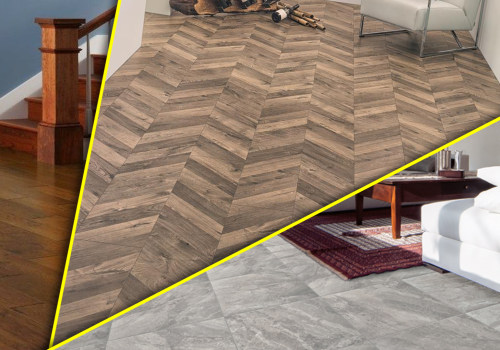
Vinyl flooring has evolved significantly over the years, offering a plethora of styles that can mimic natural materials such as hardwood, stone, and tile. With advancements in printing technology, modern vinyl can feature incredibly realistic textures and patterns.Homeowners can choose from:
- Luxury Vinyl Plank (LVP): This style closely resembles hardwood flooring, available in various wood species, colors, and finishes.
- Vinyl Tiles: Ideal for those who prefer the look of ceramic or stone tiles, vinyl tiles come in numerous designs and can be arranged in creative patterns.
- Sheet Vinyl: A versatile option that offers expansive designs without seams, making it suitable for larger areas.
Laminate Flooring Designs
Laminate flooring is known for its ability to replicate the appearance of natural wood with impressive accuracy. It consists of multiple layers that create a durable surface while showcasing stunning visuals. Some popular laminate styles include:- Wood-Look Laminate: Available in an array of wood species and finishes, this option provides the warmth and charm of hardwood without the associated costs.
- Stone-Look Laminate: For those desiring a more contemporary feel, stone-look laminate offers a chic alternative with various textures and colors.
- Textured Finishes: Many laminate options come with embossed textures that enhance realism and add depth to the design.
This can be particularly appealing for homeowners who prefer a sturdier surface.In summary, both vinyl and laminate flooring present unique aesthetic advantages. Vinyl excels in offering a wide range of styles with a softer feel, while laminate provides realistic wood and stone appearances with a more robust texture. Ultimately, the choice between these two types of flooring will depend on your personal style preferences and how you envision your space coming together.
Cost Analysis: Budgeting for Your Flooring Choice
When it comes to selecting the right flooring for your home, understanding the cost implications is crucial. Both vinyl and laminate flooring offer affordable options, but their pricing structures can vary significantly based on several factors.Initial Costs of Vinyl Flooring
The initial cost of vinyl flooring typically ranges from $2 to $7 per square foot, depending on the quality and style.Luxury vinyl planks (LVP) or tiles (LVT) can be on the higher end of this spectrum, often featuring enhanced durability and aesthetic appeal. Installation costs can add an additional $1 to $3 per square foot if you hire a professional, although many homeowners opt for DIY installation to save money.
Initial Costs of Laminate Flooring
In comparison, laminate flooring generally costs between $1.50 and $5 per square foot. The price can fluctuate based on the brand, thickness, and design. Like vinyl, laminate also incurs installation costs that can range from $1 to $2 per square foot.However, due to its click-lock installation system, many find laminate easier to install themselves, potentially reducing overall expenses.
Long-Term Savings and Expenses
While initial costs are important, considering long-term savings is equally vital. Vinyl flooring is known for its durability and moisture resistance, which can lead to lower maintenance costs over time. With proper care, high-quality vinyl can last up to 25 years or more, making it a wise investment in the long run.On the other hand, laminate flooring typically has a lifespan of 15 to 25 years but may require replacement sooner if not maintained properly. Water damage can significantly shorten its lifespan, leading to unexpected replacement costs.Budgeting for Your Flooring Options
When budgeting for your flooring choice, consider not only the initial purchase price but also potential long-term expenses related to maintenance and replacement.If you live in a high-moisture area or have pets that may cause wear and tear, investing in vinyl might save you money in the long run.Ultimately, both vinyl and laminate flooring present viable options for budget-conscious homeowners. By carefully evaluating your specific needs and considering both upfront and long-term costs, you can make an informed decision that aligns with your financial goals.
Environmental Impact: Sustainability Considerations in Flooring Choices
When considering flooring options, the environmental impact of materials is becoming increasingly important for many homeowners. As awareness of sustainability grows, consumers are looking for eco-friendly flooring options that not only meet their aesthetic and functional needs but also align with their values regarding the environment.Sustainability of Vinyl Flooring
Vinyl flooring has made significant strides in recent years regarding its environmental footprint. Modern manufacturing processes have improved, leading to less waste and lower emissions.
However, traditional vinyl is made from polyvinyl chloride (PVC), a material that raises concerns due to its production and disposal methods. The production of PVC can release harmful chemicals into the environment, and when vinyl flooring reaches the end of its life, it can contribute to landfill waste.On the positive side, some manufacturers are now producing vinyl flooring that is phthalate-free and made from recycled materials, which can mitigate some of these environmental concerns. Additionally, luxury vinyl tiles (LVT) often come with a longer lifespan, which can reduce the frequency of replacement and thus lessen overall environmental impact.
Sustainability of Laminate Flooring
Laminate flooring is generally considered a more sustainable option compared to traditional vinyl. It is primarily made from wood byproducts, which means it utilizes materials that might otherwise go to waste.
Many laminate products are manufactured using sustainable forestry practices, ensuring that the wood used is sourced responsibly.Moreover, laminate flooring can be easier to recycle than vinyl. When laminate reaches the end of its life cycle, it can often be repurposed or recycled into new products, reducing landfill contributions. However, it’s essential to check for certifications like FSC (Forest Stewardship Council) or CARB (California Air Resources Board), which indicate responsible sourcing and low emissions during production.
Disposal Considerations
The disposal methods for both types of flooring play a crucial role in their overall environmental impact. Vinyl flooring can take hundreds of years to decompose in landfills, while laminate may break down more quickly but still poses challenges if not properly recycled.
Homeowners should consider how they will dispose of their flooring when making a choice.In conclusion, while both vinyl and laminate flooring have their pros and cons regarding sustainability, laminate generally offers a more eco-friendly option due to its use of wood byproducts and better recyclability. However, advancements in vinyl manufacturing are making it a more viable choice for environmentally conscious consumers as well. Ultimately, understanding the environmental impact of these materials can help homeowners make informed decisions that align with their sustainability goals.
Frequently Asked Questions About Vinyl and Laminate Flooring
When it comes to choosing between vinyl and laminate flooring, many homeowners have questions that can help guide their decision. Below are some of the most frequently asked questions regarding these two popular flooring options.1.What is the main difference between vinyl and laminate flooring?
The primary difference lies in their composition.Vinyl flooring is made from synthetic materials, primarily polyvinyl chloride (PVC), which makes it highly resistant to moisture. In contrast, laminate flooring is constructed from a composite of wood particles and resin, giving it a more natural wood-like appearance but making it less resistant to water damage.
2.Is vinyl flooring better for wet areas?
Yes, vinyl flooring is generally considered superior for wet areas such as bathrooms, kitchens, and basements due to its excellent moisture resistance. Laminate can warp or swell if exposed to excessive moisture, making it less suitable for these environments.3.How do the installation processes compare?
Vinyl flooring typically offers a simpler installation process. It can be glued down or installed as a floating floor with a self-adhesive backing.Laminate flooring requires a more intricate installation method, often involving a click-lock system that can be more challenging for DIY enthusiasts.
4.Which type of flooring is easier to maintain?
Both vinyl and laminate are relatively easy to maintain; however, vinyl may require less upkeep over time due to its durability and moisture resistance. Regular sweeping and occasional mopping are usually sufficient for both types.5.How do they compare in terms of comfort?
Laminate flooring tends to feel softer underfoot compared to vinyl because it contains wood particles that provide cushioning. This can make laminate a more comfortable option for areas where you spend a lot of time standing.6.What is the lifespan of each type of flooring?
Lifespan
varies between the two: laminate typically lasts between 15-25 years, while high-quality vinyl can last up to 25 years or more with proper care. However, poorly maintained laminate may only last 5-10 years.
7.Are there any environmental considerations?
Both types of flooring have environmental impacts, but laminate is often made from recycled materials, making it a more eco-friendly choice in some cases.Vinyl production involves PVC, which has raised environmental concerns due to its manufacturing process.By addressing these common questions, homeowners can make informed decisions about whether vinyl or laminate flooring best suits their needs and lifestyle.
Conclusion: Making the Right Choice for Your Home's Flooring Needs
In conclusion, the decision between vinyl and laminate flooring ultimately hinges on your specific needs, lifestyle, and aesthetic preferences. Both flooring options present unique advantages and disadvantages that cater to different situations.Durability and Moisture Resistance:
If you live in a humid environment or have areas in your home prone to spills and moisture, vinyl flooring is likely the superior choice. Its inherent moisture resistance makes it ideal for bathrooms, kitchens, and basements. Conversely, if your flooring will be installed in a low-moisture area with less foot traffic, laminate can serve as a cost-effective alternative.
Installation and Maintenance:
For those who prefer a straightforward installation process, vinyl flooring often wins out due to its ease of application.
However, if you are comfortable with a more involved installation process and appreciate the click-lock technology of laminate, this option may appeal to you. Maintenance for both types is relatively simple, but vinyl may require less frequent upkeep due to its durability.
Aesthetic Appeal:
When it comes to appearance, laminate flooring tends to offer a more authentic look that closely resembles natural wood or stone. If achieving a high-end aesthetic is important to you, laminate might be the better option. On the other hand, vinyl has made significant strides in design and can also provide a stylish finish that suits various decor styles.
Cost Considerations:
Budget is another critical factor in your decision-making process.
While both flooring types are generally affordable, luxury vinyl options can be pricier than laminate. Assessing your budget alongside the long-term value of each flooring type will help you make an informed choice.Ultimately, the best flooring for your home will depend on weighing these factors against your personal preferences and lifestyle requirements. Take the time to evaluate how each option aligns with your needs, and don’t hesitate to consult with flooring professionals for tailored advice. By doing so, you can ensure that your final choice not only enhances the beauty of your home but also meets its functional demands.