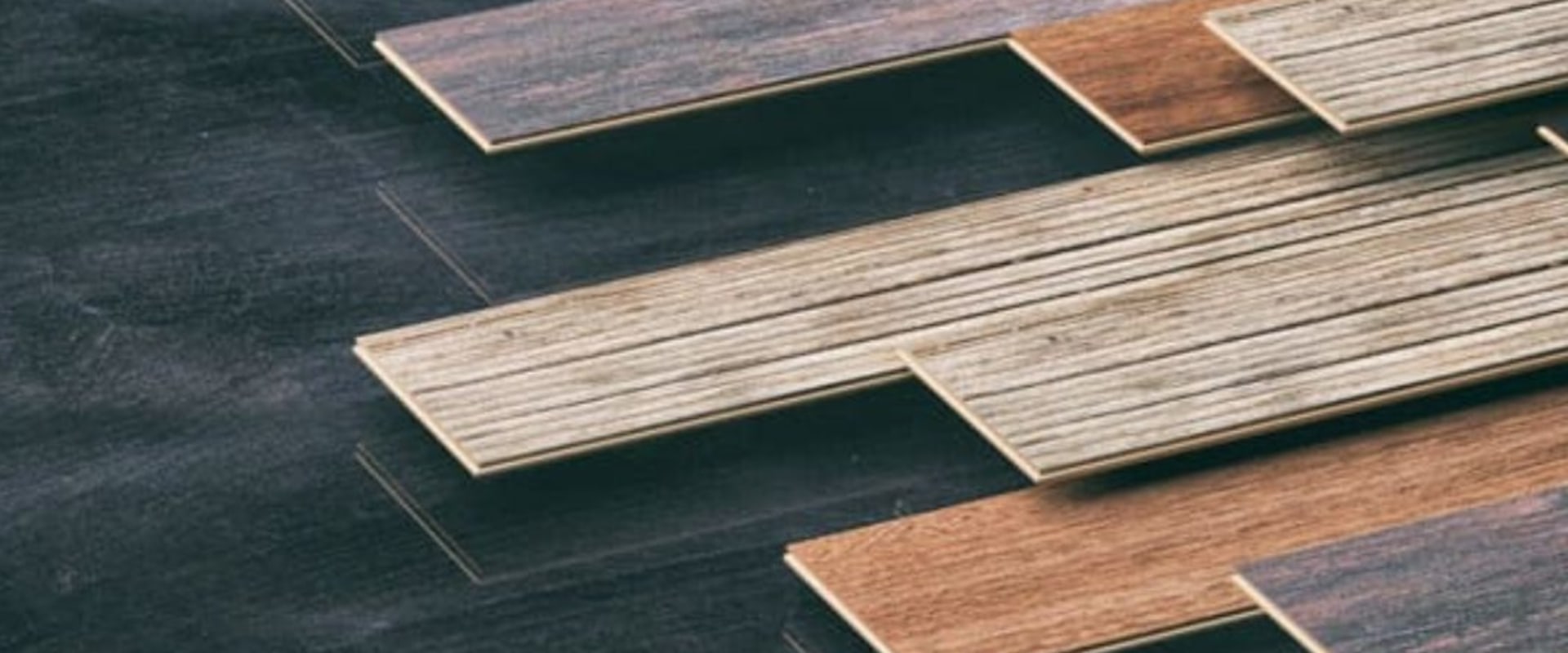
When it comes to hardwood flooring, the color you choose plays a pivotal role in defining the overall aesthetic of your home. The right hue can enhance the beauty of your space, create a specific mood, and even influence how light interacts within a room. As homeowners increasingly recognize the importance of color in their design choices, understanding the implications of different shades becomes essential. Additionally, when considering the materials for your flooring, it's helpful to explore what are the different types of tree that can be used, as this knowledge can further inform your color selection. , the color you choose plays a pivotal role in defining the overall aesthetic of your home. The right hue can enhance the beauty of your space, create a specific mood, and even influence how light interacts within a room. As homeowners increasingly recognize the importance of color in their design choices, understanding the implications of different shades becomes essential. Additionally, when considering the materials for your flooring, it's helpful to explore what are the different types of tree that can be used, as this knowledge can further inform your color selection.
This section delves into why color selection is crucial in hardwood flooring and how it can transform your living environment.Color trends in hardwood flooring have evolved significantly over the years, reflecting broader shifts in interior design preferences. While traditional browns and natural wood tones remain popular, contemporary styles are embracing a wider palette that includes whites, grays, and even bold blacks. These trends not only cater to aesthetic preferences but also address practical considerations such as maintenance and durability. For instance, lighter shades can make spaces feel larger and more open, while darker tones add warmth and sophistication.
Understanding these trends allows homeowners to make informed decisions that align with their personal style and functional needs.Choosing the right color for your hardwood floors is not merely about following trends; it’s about creating a cohesive look that complements your existing decor. Factors such as wall colors, furniture styles, and even lighting should all be considered when selecting a floor color. A well-chosen shade can tie together various elements of your home, enhancing its overall appeal. Additionally, certain colors can evoke specific emotions—warm tones may create a cozy atmosphere, while cooler shades can impart a sense of calm and tranquility.
By recognizing the significance of color in hardwood flooring, homeowners can elevate their spaces and ensure that their flooring choice reflects their unique taste.
Classic Brown Tones: Timeless Choices for Hardwood Floors
When it comes to selecting hardwood floors, brown hardwood floors stand out as a classic choice that has remained popular for generations. Their warm tones evoke a sense of comfort and familiarity, making them an ideal option for various interior styles. From rustic cabins to modern urban apartments, brown hardwood floors can seamlessly integrate into any design scheme.One of the most appealing aspects of brown hardwood is its versatility. Available in a range of shades—from light honey to deep chocolate—these floors can complement both traditional and contemporary aesthetics.For instance, lighter brown tones, such as oak or maple, can brighten a space and create an airy feel, while darker shades like walnut or mahogany add depth and sophistication.
Timeless Appeal of Brown Tones
The enduring popularity of brown hardwood floors can be attributed to their ability to adapt to changing design trends. Unlike more vibrant colors that may fall in and out of favor, brown tones provide a stable foundation for any room. They serve as a neutral backdrop that allows homeowners to experiment with various decor styles without overwhelming the space.Complementing Different Interior Styles
Brown hardwood floors are particularly effective in enhancing the warmth of a room. They pair beautifully with natural materials such as stone and leather, creating a cohesive look that feels inviting.Here are some ways brown tones can complement different interior styles:
- Rustic: In rustic settings, rich brown hues can enhance the natural beauty of wood beams and stone accents, creating a cozy atmosphere.
- Modern: For modern interiors, lighter shades of brown can provide a clean and minimalist aesthetic while still adding warmth.
- Traditional: Darker brown tones work well in traditional homes, where they can highlight ornate furniture and classic architectural details.
- Eclectic: In eclectic spaces, brown floors can ground bold colors and patterns, allowing for creative expression without chaos.
The Allure of Dark Woods: Elevating Your Space with Rich Hues
When it comes to creating a luxurious atmosphere in your home, dark hardwood floors are an exceptional choice.Rich hues like walnut and mahogany not only add depth and sophistication to any space but also serve as a stunning backdrop for your interior design. These darker tones can transform a room, making it feel more inviting and elegant.
Walnut
is one of the most sought-after options for dark hardwood flooring. Known for its rich, chocolate-brown color with subtle undertones of purple, walnut offers a unique aesthetic that can complement both modern and traditional decor. Its natural grain patterns add character, making each plank distinct.
Additionally, walnut is durable and resistant to wear, ensuring that your investment will last for years to come.
Mahogany
, on the other hand, is celebrated for its deep reddish-brown hue that exudes warmth and luxury. This exotic wood is often associated with high-end furnishings and can elevate the overall ambiance of a room. Mahogany's fine grain and smooth texture make it an excellent choice for those looking to create a refined atmosphere. However, it’s essential to note that mahogany can be more expensive than other hardwood options, reflecting its premium quality.Incorporating dark hardwood floors into your home can significantly enhance its aesthetic appeal.
Here are some benefits of choosing dark wood:
- Versatility: Dark woods pair beautifully with a variety of color palettes, allowing you to experiment with different design styles.
- Timelessness: The elegance of dark hardwood never goes out of style, making it a wise long-term investment.
- Warmth: Dark floors create a cozy atmosphere, perfect for living rooms or bedrooms where comfort is key.
- Contrast: They provide a striking contrast against lighter walls and furnishings, adding visual interest to your space.
Light and Bright: The Rise of Whitewashed and Light-Colored Floors
In recent years, the trend of light-colored hardwood floors has gained significant traction among homeowners and interior designers alike.This shift towards lighter hues, particularly whitewashed hardwood floors , is largely driven by the desire to create spaces that feel open, airy, and inviting. The aesthetic appeal of these floors lies not only in their color but also in their ability to enhance natural light within a room.One of the primary benefits of opting for light wood flooring is its versatility. Light shades can seamlessly blend with various design styles, from modern minimalism to rustic charm. Whether you are aiming for a coastal vibe or a contemporary look, light-colored floors serve as a neutral backdrop that allows other design elements to shine.
This adaptability makes them an excellent choice for homeowners looking to refresh their interiors without committing to bold colors.Moreover, whitewashed finishes have become particularly popular due to their unique ability to soften the appearance of hardwood. Unlike traditional dark woods that can sometimes feel heavy or oppressive, whitewashed floors evoke a sense of tranquility and spaciousness. They reflect light beautifully, making even smaller rooms feel larger and more open.However, it’s essential to consider the maintenance aspect when choosing light-colored hardwood. While they can hide dust and pet hair better than darker shades, they may show scratches and dents more prominently.
To mitigate this, many homeowners opt for engineered wood options that offer enhanced durability while maintaining the desired aesthetic.In addition to their visual appeal, light wood flooring aligns with current trends emphasizing sustainability and eco-friendliness. Many manufacturers are now producing light hardwood options from responsibly sourced materials, allowing homeowners to make environmentally conscious choices without sacrificing style.As we move forward into a new era of interior design, the popularity of light and bright hardwood floors is likely to continue its upward trajectory. With their ability to create a fresh atmosphere and complement various decor styles, these flooring options are not just a passing trend but a lasting choice for modern homes.
Gray Hardwood Floors: A Modern Classic for Contemporary Homes
In recent years, gray hardwood floors have emerged as a popular choice among homeowners and designers alike, establishing themselves as a modern classic in the realm of flooring. This versatile color not only complements a wide array of design styles but also brings a contemporary flair to any space.Whether you are aiming for a minimalist aesthetic or a more eclectic vibe, gray hardwood floors can seamlessly integrate into your vision.One of the key advantages of gray hardwood is its adaptability. It can serve as a neutral backdrop that allows other design elements to shine. For instance, pairing gray floors with bright white cabinetry creates a striking contrast that enhances the overall aesthetic of a kitchen. Similarly, when combined with darker furniture pieces, gray floors can add depth and sophistication to living areas.
Compatibility with Various Design Styles
Gray hardwood floors are particularly well-suited for contemporary and modern design trends.They work beautifully in spaces that emphasize clean lines and open layouts. In industrial-style homes, gray tones can mimic the look of concrete while still providing the warmth and texture of wood. Additionally, in coastal or beach-inspired interiors, light gray shades can evoke the calming hues of sand and sea.Moreover, gray hardwood is not limited to just one shade; it comes in various tones ranging from light ash to deep charcoal. This variety allows homeowners to select the perfect hue that aligns with their personal style and existing decor.
Light gray floors can brighten up smaller spaces, making them feel larger and more inviting, while darker grays can create a cozy atmosphere in larger rooms.
Maintaining the Appeal of Gray Hardwood Floors
To keep your gray hardwood floors looking their best, regular maintenance is essential. Here are some tips:- Regular Cleaning: Sweep or vacuum frequently to remove dirt and debris that can scratch the surface.
- Mopping: Use a damp mop with a gentle cleaner specifically designed for hardwood floors to avoid damaging the finish.
- Avoid Excessive Water: Ensure that water does not pool on the floor, as this can lead to warping or damage over time.
- Sunlight Protection: Use curtains or blinds to protect your floors from direct sunlight, which can cause fading.
- Periodic Refinishing: Depending on foot traffic and wear, consider refinishing your floors every few years to restore their original luster.
Bold Statements: The Impact of Black and Red Hardwood Floors
When it comes to making a statement in your home, few choices are as striking as black hardwood floors and red wood flooring.These bold options not only serve as a foundation for your interior design but also set the tone for the entire space. Each color brings its own unique characteristics and styling opportunities, allowing homeowners to express their individuality and taste.
Black Hardwood Floors
Black hardwood floors are synonymous with sophistication and elegance. They create a dramatic backdrop that can elevate any room, making it feel more luxurious. However, this bold choice does come with its own set of considerations:
- Maintenance: Black floors tend to show dust, scratches, and scuff marks more readily than lighter options.
Regular cleaning and maintenance are essential to keep them looking pristine.
- Lighting: The use of black flooring can absorb light, making a room feel smaller or darker. To counteract this effect, consider incorporating ample lighting through fixtures or large windows.
- Contrast: Black floors pair beautifully with lighter furniture and decor. White or light-colored walls can create a stunning contrast that enhances the overall aesthetic.
Red Wood Flooring
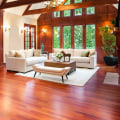
On the other hand, red wood flooring offers warmth and vibrancy that can invigorate a space. Shades of red, such as mahogany or cherry, add depth and richness to any room.
Here are some tips for styling red wood floors:
- Complementary Colors: Red tones work well with earthy colors like greens and browns. Incorporating these hues in your furnishings or decor can create a harmonious look.
- Textures: Mixing textures is key when working with bold colors. Consider adding soft textiles like rugs or cushions to balance the richness of red wood.
- Accent Pieces: Use accent pieces in contrasting colors to draw attention to the flooring. For example, light-colored furniture or decor can pop against the warm tones of red wood.
By understanding their characteristics and how to style them effectively, you can transform your space into a stunning reflection of your personal style.
Natural Wood Options: Embracing Oak and Other Classic Choices
When it comes to selecting hardwood flooring, oak stands out as a quintessential choice that embodies both durability and timeless elegance. Known for its strength and resilience, oak hardwood floors have been a staple in homes for generations, making them a reliable option for homeowners seeking longevity in their flooring materials.One of the most appealing aspects of oak is its natural beauty. The wood features a distinct grain pattern that adds character and warmth to any space. Available in various shades, from light to dark, oak can complement a wide range of interior design styles.Whether you prefer a rustic farmhouse aesthetic or a sleek modern look, oak hardwood floors can seamlessly integrate into your home.
Durability and Maintenance
Oak is not only aesthetically pleasing but also incredibly durable. It is known to withstand heavy foot traffic, making it an ideal choice for busy households. With proper care, oak floors can last for decades, often outliving other flooring options. To maintain their beauty, regular cleaning is essential.Sweeping or vacuuming to remove dirt and debris will help prevent scratches and wear.Additionally, periodic refinishing can rejuvenate the surface of oak floors, restoring their original luster. This process involves sanding down the top layer and applying a new finish, which can be done every 5 to 10 years depending on usage. Using area rugs in high-traffic zones can also protect the wood from excessive wear.
Natural Wood Tones
In addition to oak, other natural wood options such as maple and hickory are gaining popularity among homeowners. Maple offers a lighter tone with a fine grain, while hickory presents a more varied color palette with striking contrasts.Each type of wood brings its unique charm and character to a space.Choosing natural wood tones not only enhances the aesthetic appeal of your home but also contributes to a healthier indoor environment. Natural wood is less likely to harbor allergens compared to synthetic materials, making it an excellent choice for families concerned about air quality.In conclusion, embracing oak and other classic natural wood options for your flooring not only ensures durability and timeless appeal but also adds warmth and character to your home. With proper maintenance, these floors can provide lasting beauty that enhances your living space for years to come.
Choosing the Right Finish: How It Affects Color Perception
When selecting hardwood floors, the finish you choose can significantly influence how the color of the wood is perceived. Different finishes not only enhance the natural beauty of the wood but also affect its overall appearance, durability, and maintenance requirements.Understanding these nuances is essential for homeowners looking to achieve a specific aesthetic in their space.
Types of Finishes
- Oil-Based Finishes: These finishes penetrate deeply into the wood, enhancing its natural grain and color. They tend to impart a warm, rich hue that can make colors appear more vibrant. However, oil-based finishes can take longer to dry and may require more frequent reapplication.
- Water-Based Finishes: Known for their quick drying time and low odor, water-based finishes provide a clear coat that preserves the original color of the wood. They tend to have a more matte appearance compared to oil-based options, which can make lighter woods look brighter and more contemporary.
- Satin Finishes: Offering a soft sheen, satin finishes strike a balance between gloss and matte.
They enhance color depth while minimizing glare, making them a popular choice for many homeowners.
- Gloss Finishes: High-gloss finishes create a shiny surface that reflects light, which can intensify the color of darker woods. However, they may also highlight imperfections and require more maintenance to keep them looking pristine.
The Impact of Finish on Color Perception
The finish applied to hardwood floors can alter how colors are perceived in several ways. For instance, a dark stain combined with a glossy finish can create a dramatic effect, making the floor appear even darker and more luxurious. Conversely, a matte finish on lighter woods can soften their appearance, giving them an airy and open feel.Moreover, certain finishes can enhance or mute specific undertones in the wood.
For example, an oil-based finish may bring out the warm reds in cherry wood while downplaying cooler tones. This characteristic is particularly important when selecting colors that need to harmonize with existing decor.
Choosing the Right Finish
When deciding on a finish for your hardwood floors, consider the following factors:
- Aesthetic Goals: Determine whether you want a glossy or matte look and how it will complement your overall design scheme.
- Durability Needs: Consider the level of foot traffic in your home. High-traffic areas may benefit from more durable finishes that withstand wear and tear.
- Maintenance Preferences: Some finishes require more upkeep than others. Choose one that aligns with your willingness to maintain your floors over time.
Cost Considerations: Budgeting for Your Hardwood Floor Color Choice
When it comes to selecting the perfect color for your hardwood floors, understanding the cost implications is crucial.The price of hardwood flooring can vary significantly based on several factors, including the type of wood, the finish, and even the color itself. Here’s a breakdown of what you need to consider when budgeting for your flooring project.
1.Type of Wood
- Hardwood Species: Different species of wood come with varying price tags. For instance, oak and maple are generally more affordable options, while exotic woods like mahogany or teak can be considerably more expensive.
- Engineered vs. Solid Hardwood: Engineered hardwood tends to be less expensive than solid hardwood.
It offers a similar aesthetic but is made from layers of wood, making it more stable and often more budget-friendly.
2.Color and Finish
- Stains and Finishes: The color you choose can also affect the overall cost. Darker stains may require more coats to achieve the desired depth, which can increase labor costs. Additionally, certain finishes may be pricier due to their durability and maintenance requirements.
- Custom Colors: If you opt for a custom stain or finish, expect to pay a premium. While this can provide a unique look, it’s essential to factor this into your budget.
3.Installation Costs
The installation process can also impact your budget.
Some colors or finishes may require specialized installation techniques that could increase labor costs. Always consult with your flooring contractor about any additional expenses related to your specific choice.
4.Affordable Options
If you're working with a tight budget, consider these tips:
- Look for Sales: Many retailers offer seasonal sales on hardwood flooring, so keep an eye out for discounts.
- Choose Popular Colors: Sticking with popular colors like medium browns or natural finishes can often yield better pricing due to higher availability.
- Consider Alternatives: If solid hardwood is out of reach, engineered wood or laminate options can provide a similar look at a fraction of the cost.
<strong>Conclusion</strong>: Making an Informed Decision on Hardwood Floor Colors
Choosing the right color for your hardwood floors is a significant decision that can greatly influence the overall aesthetic of your home. Throughout this article, we have explored a variety of popular hardwood floor colors, each with its unique characteristics and appeal. From the timeless warmth of brown tones to the modern elegance of whitewashed finishes, the options are vast and varied.Summary of Hardwood Floor Colors:
- Brown Tones: These classic shades, including medium tones like walnut and cherry, provide a warm and inviting atmosphere while effectively concealing wear and tear.
- Whitewashed Finishes: Ideal for a contemporary look, these floors offer a light and airy feel but require careful maintenance to avoid scratches.
- Dark Woods: Rich hues such as mahogany or ebony add sophistication and depth, making them perfect for luxurious spaces.
- Gray Shades: Although their popularity has fluctuated, gray remains a versatile choice that pairs well with various design elements.
- Black Floors: For those seeking a bold statement, black hardwood offers dramatic contrast but demands more upkeep.
- Red Tones: These vibrant shades can infuse warmth into a room but may pose challenges in color coordination.
- Oak Floors: A perennial favorite, oak is durable and complements many styles, making it a reliable choice for long-term investment.
Consider factors such as lighting, room size, and existing decor when making your choice. Remember that while trends can guide you, your preferences should ultimately dictate your decision. By taking the time to evaluate these elements carefully, you can ensure that your flooring choice enhances both the beauty and functionality of your home.Your hardwood floors will serve as the foundation of your living space for years to come. Therefore, making an informed decision based on thorough research and personal taste will lead to a satisfying outcome that you will cherish for many years ahead.