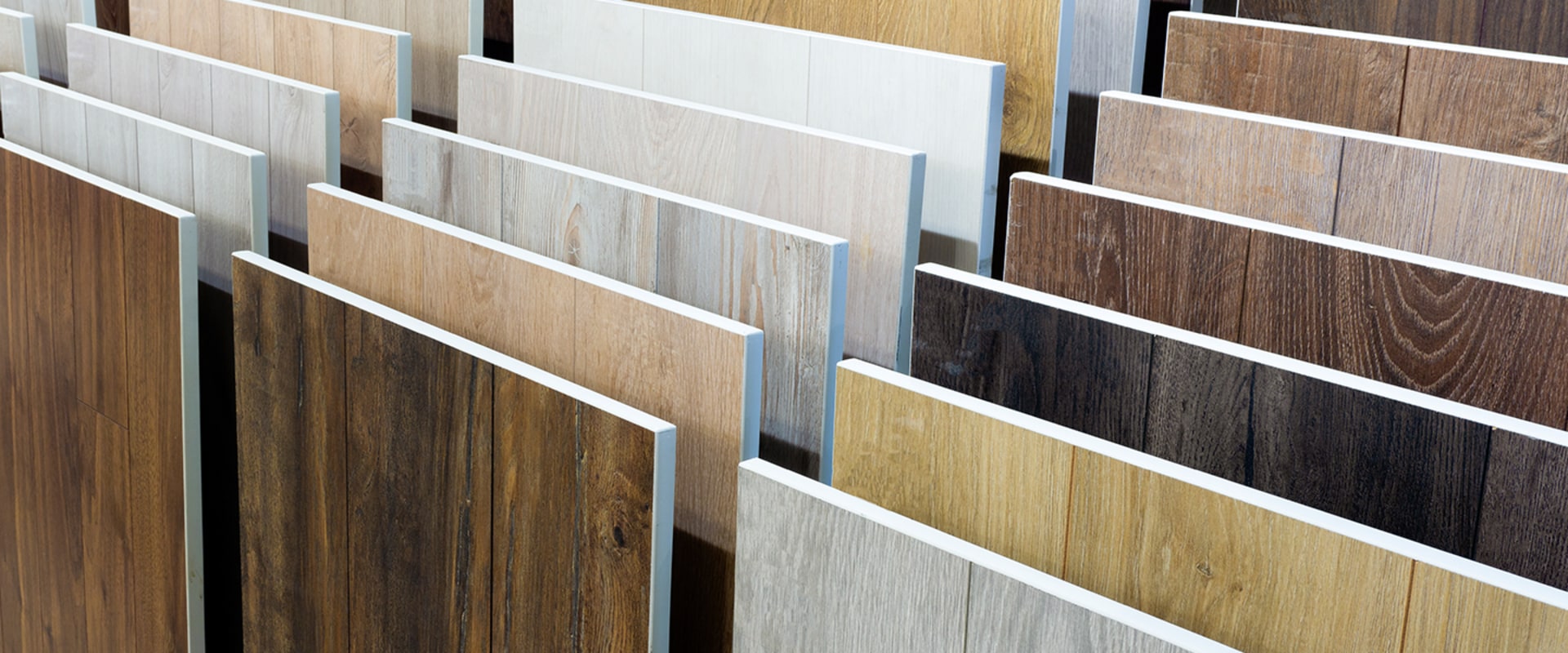
When it comes to enhancing the resale value of your home, the color of your flooring plays a pivotal role that is often underestimated. Flooring is not just a functional element; it serves as a foundational aesthetic component that can significantly influence a buyer's first impression. The right color can create an inviting atmosphere, enhance the perceived space, and even complement the overall design theme of your home. As potential buyers walk through your property, their eyes are naturally drawn to the flooring, making it essential to choose wisely.Understanding the importance of flooring color in relation to resale value involves recognizing how different hues can evoke various emotions and perceptions.
For instance, darker shades tend to convey sophistication and warmth, while lighter tones can create an illusion of spaciousness and brightness. This psychological impact is crucial; buyers often make snap judgments based on their initial feelings about a space. Therefore, selecting a flooring color that aligns with current trends and buyer preferences can be a strategic move in maximizing your home's appeal.Moreover, it's not just about choosing a color that looks good; it's also about ensuring that it fits seamlessly with the rest of your home’s design elements. A cohesive look throughout your living spaces can enhance flow and continuity, making your home more attractive to potential buyers.
In this article, we will delve deeper into specific colors and materials that not only elevate the aesthetic of your home but also contribute positively to its resale value. By understanding these nuances, you can make informed decisions that will pay off when it comes time to sell.
The Psychology of Color in Home Design
When it comes to home design, the psychology of color plays a crucial role in shaping buyer perceptions and emotional responses. The colors you choose for your flooring can significantly influence how potential buyers feel about your home, ultimately affecting their purchasing decisions.Colors evoke emotions and set the tone for a space. For instance, warm colors like reds, oranges, and yellows can create a sense of energy and warmth, making spaces feel inviting.However, these colors can also be overwhelming if overused. In contrast, cool colors such as blues and greens tend to promote calmness and tranquility, which can be appealing in bedrooms and bathrooms.When selecting flooring colors, it’s essential to consider how they will interact with the overall design of your home. Here are some key points to keep in mind:
- Neutral Tones: Shades like beige, gray, and taupe are often favored for flooring because they provide a versatile backdrop that complements various decor styles. These colors can make spaces feel larger and more open, appealing to a broader range of buyers.
- Dark Hues: Darker flooring options, such as deep browns or charcoal grays, can add sophistication and elegance to a home.
They are particularly popular in modern designs but may require more maintenance to keep them looking pristine.
- Lighter Shades: Light-colored flooring can brighten up a space and create an airy feel. However, they may show dirt and wear more easily, which could deter some buyers if not properly maintained.
By choosing colors that resonate emotionally with potential buyers while also considering current trends and personal style, you can create a welcoming environment that enhances your home's marketability.
Popular Flooring Colors and Their Market Appeal
When it comes to selecting flooring colors that will enhance your home's resale value, understanding current trends and buyer preferences is crucial. Different colors evoke various emotions and perceptions, which can significantly influence a potential buyer's decision. Here, we explore some of the most popular flooring colors and their market appeal.Dark Hardwood Floors
Dark hardwood floors
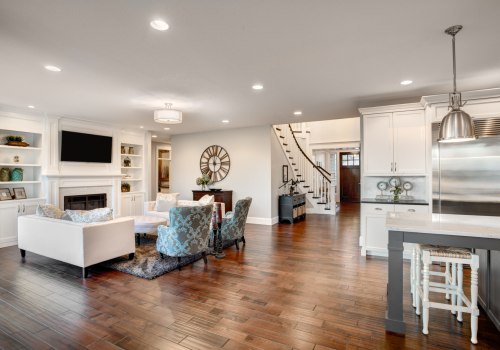
have gained immense popularity in recent years, particularly among modern homebuyers. These rich, deep tones add a sense of sophistication and warmth to any space.
They are often associated with luxury and can create a striking contrast against lighter walls and furnishings. Additionally, dark floors tend to hide dirt and scratches better than lighter options, making them a practical choice for families or pet owners.
Light Wood Floors
While dark woods are favored for their elegance, light wood floors also hold significant appeal. These floors can make spaces feel larger and more open, which is particularly attractive in smaller homes or apartments. Light-colored woods, such as maple or ash, offer a fresh and airy aesthetic that complements a variety of design styles, from coastal to contemporary.However, it’s essential to choose high-quality light woods that won’t easily show wear and tear.
Neutral Tones
Neutral flooring colors
, such as beige, gray, or taupe, have become increasingly popular due to their versatility. These shades can seamlessly blend with any decor style and allow homeowners to easily change their interior design without worrying about clashing colors. Neutral tones also appeal to a broader range of buyers since they provide a blank canvas for personalization.
Trends in Flooring Colors
In addition to the classic choices of dark and light woods, there are emerging trends in flooring colors that can enhance market appeal. For instance, gray-stained hardwoods have surged in popularity as they offer a modern twist on traditional wood tones.This color not only pairs well with contemporary furnishings but also complements the growing trend of industrial-style homes.Ultimately, when selecting flooring colors for resale value, it’s essential to consider the overall aesthetic of your home and the preferences of potential buyers. By choosing popular colors that resonate with current trends while maintaining quality and durability, you can significantly enhance your home's market appeal.
Dark vs. Light Flooring: Pros and Cons
When it comes to selecting the right flooring color for your home, the choice between dark and light options can significantly influence both aesthetics and resale value. Each color has its own set of advantages and disadvantages that homeowners should carefully consider.Advantages of Dark Flooring
- Elegance and Sophistication: Dark flooring, such as deep mahogany or ebony, exudes a sense of luxury and sophistication.
It can elevate the overall look of a room, making it feel more upscale.
- Conceals Dirt and Scratches: One of the practical benefits of dark flooring is its ability to hide dirt, dust, and minor scratches better than lighter options. This can be particularly advantageous in high-traffic areas where maintenance is a concern.
- Versatile Design Compatibility: Dark floors tend to pair well with a variety of design styles, from modern to traditional. They provide a striking contrast against lighter walls and furnishings, creating a visually appealing space.
Disadvantages of Dark Flooring
- Heat Absorption: Dark colors absorb more heat, which can make spaces feel warmer. In hotter climates, this may lead to increased cooling costs.
- Lighting Challenges: Dark flooring can sometimes make rooms feel smaller or more enclosed, especially if there is limited natural light.
Homeowners should consider the lighting conditions in their space before opting for dark floors.
Light Flooring Disadvantages
- Easier to Show Dirt: While light flooring can create an airy and spacious feel, it is often more susceptible to showing dirt, pet hair, and scratches. This may require more frequent cleaning to maintain its appearance.
- Less Dramatic Impact: Light-colored floors may not have the same dramatic effect as dark options. They can sometimes blend into the background rather than serve as a focal point in a room.
Quality Matters: Choosing the Right Material for Your Flooring
When it comes to flooring, the choice of material is crucial not only for aesthetic appeal but also for maximizing resale value.High-quality flooring materials can significantly enhance the overall look and feel of your home, making it more attractive to potential buyers. In this section, we will explore the importance of selecting quality flooring materials and compare popular options like hardwood and laminate.
Understanding Quality Flooring Materials
Quality flooring materials are characterized by their durability, longevity, and visual appeal. Investing in high-quality options can lead to a better return on investment (ROI) when selling your home. Here are some key factors to consider:
- Durability: Quality materials withstand wear and tear over time, maintaining their appearance and functionality.
- Maintenance: High-quality flooring often requires less maintenance, which is appealing to buyers looking for a low-maintenance lifestyle.
- Aesthetic Appeal: The right flooring can enhance the overall design of your home, making it more inviting and stylish.
Hardwood vs.
Laminate: A Comparative Analysis
When considering flooring options, hardwood and laminate are two popular choices that often come up. Each has its own set of advantages and disadvantages:
- Hardwood: Known for its timeless beauty and durability, hardwood floors can significantly increase your home's resale value. They are made from solid wood or engineered wood, offering a range of styles and finishes. Buyers often prefer hardwood due to its natural look and feel.
- Laminate: While laminate flooring is generally more affordable than hardwood, it may not offer the same level of appeal to potential buyers.
Laminate mimics the appearance of wood but is made from composite materials. Although it is durable and easy to maintain, it may not provide the same ROI as hardwood.
The Best Flooring Types for Resale
Ultimately, the best flooring type for resale depends on your target market and local trends. However, investing in quality hardwood floors is often seen as a safe bet for maximizing resale value. Additionally, consider other high-quality options such as luxury vinyl planks or tile that can also appeal to buyers while offering durability and style.In conclusion, choosing the right material for your flooring is essential in enhancing your home's value.
By prioritizing quality over cost-cutting alternatives like laminate, you can create a lasting impression that resonates with potential buyers.
Maintaining Continuity: The Flow of Flooring Throughout Your Home
When it comes to enhancing the resale value of your home, one of the most impactful decisions you can make is regarding your flooring. Maintaining a consistent flooring style throughout your home not only elevates the aesthetic appeal but also creates a sense of flow that potential buyers find attractive. A cohesive design can significantly influence a buyer's perception, making them feel more at home and increasing the likelihood of a sale.Continuity in flooring is about more than just color; it encompasses texture, material, and style. Here are some key considerations to keep in mind:- Color Consistency: Using similar shades across different rooms can create a seamless transition from one space to another.
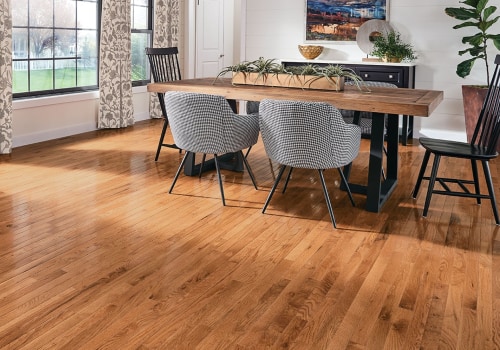
For instance, if you choose a warm oak finish in the living room, consider using a similar tone in adjacent areas like the dining room or hallway.
- Material Matching: While hardwood floors are popular, mixing materials can disrupt the flow. If you opt for hardwood in the main living areas, try to maintain that choice in bedrooms and hallways. If you need to use tile or carpet, select options that complement the hardwood rather than clash with it.
- Texture Harmony: Different textures can add depth to your design but should be used thoughtfully. For example, if you have smooth hardwood floors in the living room, consider using a similarly smooth finish in other areas to maintain visual coherence.
Open floor plans benefit greatly from consistent flooring as it visually connects spaces, making them feel larger and more inviting. In contrast, abrupt changes in flooring can create visual barriers that disrupt flow and make spaces feel disjointed.Moreover, potential buyers often look for homes that require minimal renovation. A unified flooring style signals that the home has been well cared for and thoughtfully designed. This perception can lead to higher offers and quicker sales.In conclusion, when planning your flooring choices, think about how each decision contributes to the overall flow and continuity of your home.
By creating a cohesive environment through consistent flooring styles, you not only enhance your living space but also significantly boost its appeal to future buyers.
Outdoor Flooring Options: Expanding Your Resale Value Potential
When considering the resale value of your home, it’s essential to recognize that outdoor flooring options play a significant role in enhancing both aesthetic appeal and functionality. The right choice of materials can not only elevate your outdoor spaces but also contribute to a higher selling price when it comes time to list your property.One of the most popular choices for outdoor flooring is composite decking. This material is made from a blend of wood fibers and plastic, offering durability and resistance to weather elements. Homebuyers appreciate composite decking for its low maintenance requirements and long lifespan, making it an attractive feature that can boost your home’s resale value.Another excellent option is natural stone , such as slate or flagstone.These materials provide a timeless elegance that can enhance the overall look of patios, walkways, and pool areas. Natural stone is not only durable but also adds a luxurious touch that many buyers find appealing. However, it’s important to consider the installation costs, as natural stone can be more expensive than other options.
Porcelain tiles
are also gaining popularity for outdoor spaces due to their versatility and resistance to moisture. Available in various colors and designs, porcelain tiles can mimic the look of wood or stone while providing a durable surface that withstands the elements.
This adaptability makes them an excellent choice for homeowners looking to create a cohesive design between indoor and outdoor areas.For those seeking a more budget-friendly option, concrete remains a classic choice. With advancements in staining and stamping techniques, concrete can be transformed into an attractive flooring solution that mimics more expensive materials. Its durability and ease of maintenance make it appealing to potential buyers.When selecting outdoor flooring, consider how these materials will complement your home’s overall style. A cohesive look between indoor and outdoor spaces can significantly enhance curb appeal, making your property more attractive to prospective buyers.
Additionally, ensure that the chosen materials are suitable for your local climate to avoid costly repairs in the future.In conclusion, investing in quality outdoor flooring options not only enhances your home’s aesthetic but also contributes positively to its resale value. By choosing durable and visually appealing materials, you can create inviting outdoor spaces that resonate with potential buyers.
Cost vs. Value: Understanding ROI on Flooring Investments
When considering an investment in flooring, understanding the return on investment (ROI) is crucial for homeowners. Different types of flooring can yield varying returns, and knowing these differences can help you make informed decisions that enhance your home’s value.According to the National Association of RealtorsNational Association of Realtors , certain flooring projects can significantly boost your home’s resale value.For instance, refinishing existing hardwood floors can return as much as 147% of your investment, while installing new hardwood floors can yield a return of approximately 118%. These figures highlight the importance of choosing the right flooring type and maintaining it well.When evaluating the cost versus value of flooring options, consider the following:
- Material Quality: Investing in high-quality materials often leads to better long-term returns. For example, solid hardwood floors tend to have a higher resale value compared to laminate or vinyl options.
- Market Trends: Stay updated on current design trends. For instance, dark-stained hardwoods are currently favored in modern homes, while lighter shades may appeal to a different demographic.
- Installation Costs: Professional installation can add to your initial costs but may be worth it for ensuring quality workmanship, which can enhance the overall appeal of your home.
- Maintenance: Floors that require less maintenance or are more durable tend to attract buyers.
For example, engineered wood is often more resistant to moisture and scratches than traditional hardwood.
Expert Tips for Selecting the Best Flooring Color for Resale Value
When it comes to selecting the ideal flooring color to enhance your home's resale value, expert insights can make all the difference.Here are some actionable tips to guide you through the decision-making process:
- Consider the Overall Aesthetic: Before choosing a flooring color, take a step back and evaluate the overall design of your home. The flooring should complement the existing color palette and architectural style. For instance, if your home features a modern design with neutral tones, opting for dark hardwood or light oak can create a harmonious look.
- Focus on Versatility: Select colors that appeal to a broad range of potential buyers. Neutral shades like beige, gray, and soft whites are often preferred as they allow buyers to envision their own decor in the space.
These colors also tend to make rooms feel larger and more inviting.
- Think About Lighting: The amount of natural light in a room can significantly affect how flooring colors appear. In well-lit spaces, darker floors can add warmth and richness, while lighter floors can help brighten up dim areas. Always test samples in different lighting conditions before making a final decision.
- Quality Over Quantity: Regardless of color, the quality of the flooring material is paramount. High-quality materials not only enhance aesthetic appeal but also signal durability and longevity to potential buyers.
Investing in premium hardwood or engineered wood can yield better returns than cheaper alternatives.
- Stay Updated on Trends: While timeless colors are essential, being aware of current trends can give you an edge. For example, gray-toned woods have gained popularity in recent years due to their modern appeal. However, ensure that any trendy choice still aligns with your home's overall style.
- Maintain Consistency: To create a seamless flow throughout your home, consider using the same flooring color across different rooms. This approach not only enhances visual continuity but also makes spaces feel more cohesive and inviting.
Remember, the right flooring color is an investment in both aesthetics and future returns.
<strong>Conclusion</strong>: Key Takeaways for Maximizing Resale Value with Flooring Choices
In conclusion, the choices you make regarding your flooring can significantly influence the resale value of your home. As we have explored, several factors come into play when selecting the ideal flooring color and material that will appeal to potential buyers.Key takeaways include:
- Color Matters: Darker shades of hardwood are often favored for their modern aesthetic and elegance, while lighter tones can be less appealing. However, the right choice depends on your home's overall style and the preferences of your target market.
- Quality Over Quantity: Investing in high-quality flooring is crucial. Durable materials not only enhance the beauty of your home but also ensure longevity, which is a significant selling point.
- Trends and Research: Stay informed about current design trends.
The popularity of certain colors and materials can shift, so understanding what buyers are looking for can guide your decisions effectively.
- Consistency is Key: Maintaining a cohesive look throughout your home by using similar flooring types in different areas creates a seamless flow that appeals to buyers. This continuity can make spaces feel larger and more inviting.
- Outdoor Considerations: Don’t forget about outdoor flooring options. Well-maintained outdoor spaces can enhance curb appeal and add to the overall value of your property.
- Return on Investment: The financial benefits of quality flooring cannot be overstated. With potential returns exceeding 100% on certain flooring projects, making informed choices can lead to substantial gains when selling your home.
By prioritizing quality, color, and consistency, you can maximize your home's resale value and attract a wider range of potential buyers.