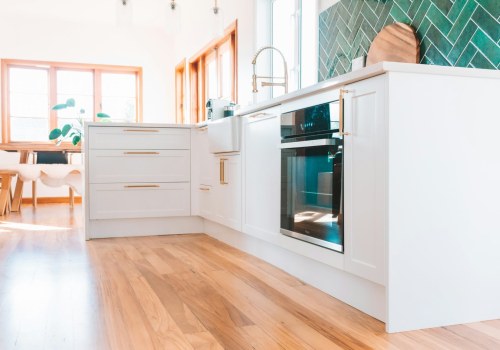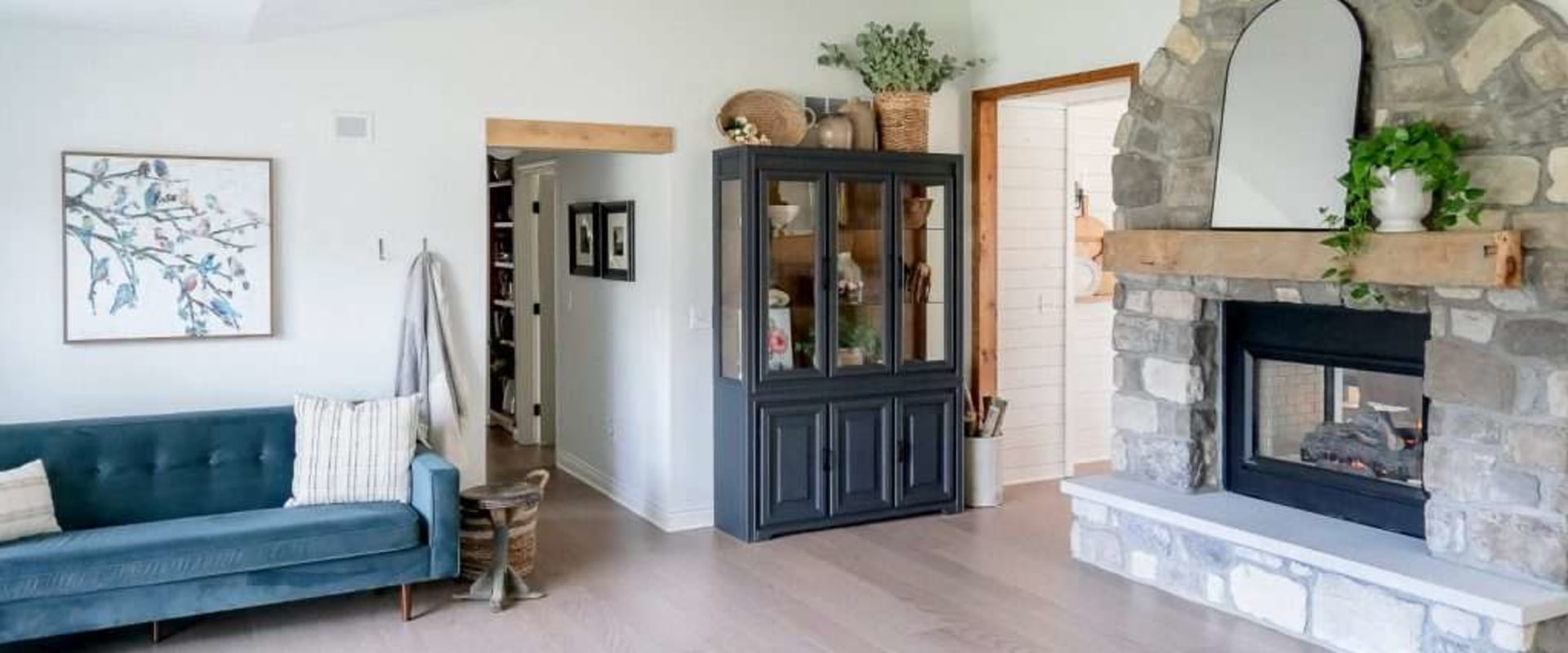
When it comes to selecting the right flooring for your home, the color of the material is often an overlooked aspect that can significantly influence both aesthetics and maintenance. Homeowners frequently focus on texture, durability, and style, but the importance of flooring color cannot be understated, especially when it comes to ease of cleaning. The color of your floors can dictate how often you need to clean them and how visible dirt and stains will be.Lighter shades tend to be more forgiving when it comes to hiding dust, pet hair, and minor spills. For instance, a soft beige or light gray can camouflage everyday messes, making it easier for busy families to maintain a clean appearance without constant scrubbing.
On the other hand, darker floors, while rich and elegant, often reveal every speck of dust and water mark, leading to a more demanding cleaning routine. This contrast highlights why understanding the impact of color on flooring choices is essential for homeowners who value both beauty and practicality.Moreover, the choice of color can also affect the overall ambiance of a room. Lighter colors can make spaces feel larger and more open, while darker hues can create a cozy and intimate atmosphere. However, this aesthetic appeal must be balanced with the practicalities of upkeep.
As you consider your options, think about how much time you are willing to invest in cleaning and maintenance. Choosing the right color can save you time and effort in the long run.In summary, when selecting flooring for your home, it’s crucial to consider not just the style but also how the color will impact your cleaning routine. By understanding these dynamics, you can make an informed decision that enhances both the beauty and functionality of your living space.
The Science Behind Floor Color and Cleanliness
When it comes to flooring, the color you choose can significantly impact not only the aesthetic appeal of your space but also the practicality of maintaining cleanliness. Understanding the science behind how different colors interact with dirt and stains can help homeowners make informed decisions that align with their lifestyle and cleaning preferences.One of the primary factors influencing dirt visibility is the color contrast between the floor and common household debris.Lighter shades, such as creams and beiges, tend to blend well with dust and pet hair, making them less noticeable. This phenomenon occurs because lighter colors reflect more light, which can mask minor imperfections and dirt accumulation. In contrast, darker floors, while often elegant and rich in appearance, can highlight every speck of dust or stain. A dark hardwood or tile floor may look stunning initially, but it requires frequent cleaning to maintain its pristine appearance.Moreover, the finish of the flooring plays a crucial role in cleanliness.
Matte finishes are generally more forgiving than high-gloss options. High-gloss surfaces tend to show fingerprints, smudges, and water spots more readily, which can be particularly frustrating for homeowners who prefer a low-maintenance environment. Therefore, when selecting a floor color, consider not just the hue but also the finish that will best suit your cleaning habits.Another aspect to consider is the psychological effect of color on perception. Studies have shown that lighter colors can create an illusion of spaciousness and cleanliness.
This perception can lead to a more relaxed atmosphere in your home, as you may feel less overwhelmed by visible dirt. On the other hand, darker colors can evoke a sense of warmth and coziness but may also contribute to feelings of clutter if not maintained properly.In addition to color and finish, patterns can also influence how clean your floors appear. Multi-colored or patterned tiles can effectively camouflage dirt and stains compared to solid colors. The variation in color helps break up visual monotony and distracts from any imperfections that may arise over time.Ultimately, choosing the right floor color involves balancing aesthetics with practicality.
By understanding how different colors affect cleanliness , homeowners can select flooring that not only enhances their interior design but also aligns with their cleaning preferences and lifestyle needs.
Best Colors for Easy Cleaning: A Detailed Analysis
When it comes to selecting the best colors for flooring that are easy to clean, several factors come into play, including the type of material, the finish, and, most importantly, the color itself. Understanding how different colors interact with dirt and stains can significantly influence your cleaning routine and overall satisfaction with your flooring choice.Lighter Colors
- Beige and Cream: These shades are often considered the gold standard for easy maintenance. They effectively camouflage dust and minor stains, making them ideal for high-traffic areas. Their neutral tones also allow for versatile decor options.
- Light Gray: A modern alternative to traditional beige, light gray floors can hide dirt while providing a contemporary aesthetic.
This color is particularly effective in homes with pets, as it tends to mask pet hair better than darker shades.
Medium Tones
- Tan and Taupe: These colors strike a balance between hiding dirt and maintaining a warm ambiance. They are less likely to show water stains compared to darker hues and can complement various design styles.
- Soft Oak: Light to medium oak finishes can provide a rustic charm while being practical. They tend to show less wear over time and can be easily refreshed with a simple cleaning routine.
Darker Colors
- Charcoal and Dark Brown: While these colors can add depth and sophistication to a space, they require more maintenance. Dark floors tend to show dust, pet hair, and scratches more prominently.
If you opt for darker shades, consider a matte finish to minimize the visibility of footprints and smudges.
- Rich Mahogany: This luxurious option can elevate any room but demands regular upkeep. To keep mahogany looking its best, frequent cleaning is essential, as it shows every speck of dust.
Patterned Options
If you’re looking for an alternative to solid colors, consider patterned or multi-colored tiles. These designs can effectively disguise dirt and stains while adding visual interest to your space. Patterns break up the monotony of solid colors and can make maintenance feel less daunting.Ultimately, the best color for your flooring will depend on your lifestyle, aesthetic preferences, and willingness to maintain cleanliness.
By choosing wisely, you can enjoy beautiful floors that remain easy to care for over time.
Lighter vs. Darker Floors: Pros and Cons
When it comes to choosing flooring, the color can significantly impact both the aesthetic appeal and the maintenance requirements of your home. Understanding the pros and cons of lighter versus darker floors can help you make an informed decision that aligns with your lifestyle and cleaning preferences.Lighter Floors
Advantages:
- Concealment of Dust and Dirt: Lighter floors, such as those in shades of cream, beige, or light gray, tend to hide dust and dirt more effectively than their darker counterparts. This means that they may require less frequent cleaning, making them a practical choice for busy households.
- Brightening Effect: Lighter colors can make a space feel larger and more open.
They reflect natural light better, which can enhance the overall ambiance of a room.
- Versatility: Light-colored flooring pairs well with a variety of decor styles, from modern to traditional, allowing for greater flexibility in design choices.
Disadvantages:
- Stains Visibility: While lighter floors can hide dust, they are often more susceptible to showing stains from spills or heavy foot traffic. This means that while they may not look dirty at first glance, they can require more attention to maintain their pristine appearance.
- Maintenance Needs: Although lighter floors may not show dirt as easily, they still require regular cleaning to prevent buildup and maintain their aesthetic appeal.
Darker Floors
Advantages:
- Rich Aesthetic: Darker floors, such as deep browns or blacks, add a sense of elegance and sophistication to any space. They can create a dramatic contrast against lighter walls and furnishings.
- Durability Perception: Many homeowners perceive darker floors as being more durable due to their ability to mask scratches and imperfections better than lighter options.
Disadvantages:
- Dirt Visibility: One of the most significant drawbacks of darker flooring is that they tend to show dust, pet hair, and footprints more prominently. This can lead to a perception of uncleanliness even shortly after cleaning.
- Heat Absorption: Darker colors absorb heat more than lighter ones, which can make spaces feel warmer in hot weather.
This might not be ideal for homes in warmer climates.
Material Matters: How Flooring Type Affects Cleaning
When it comes to choosing the right flooring for your home, the material you select plays a crucial role in both aesthetics and maintenance. Each type of flooring—whether it be wood, tile, vinyl, or laminate—has its unique characteristics that influence how easy it is to clean and maintain.Wood Flooring
Wood floors are renowned for their timeless beauty and warmth. However, they can be challenging to keep clean, especially if you opt for darker shades.Dark wood tends to show dust, pet hair, and scratches more readily than lighter options. To mitigate this, consider choosing a wood with a matte finish rather than a glossy one, as matte finishes tend to hide imperfections better. Regular sweeping and occasional mopping with a damp cloth can help maintain their appearance.
Tile Flooring
Tile is another popular choice due to its durability and variety of styles. When selecting tile, colors in the cream to tan range are ideal for hiding dirt and stains.While white tiles may look pristine initially, they can quickly reveal every speck of dust and hair. Additionally, textured or patterned tiles can be advantageous as they disguise dirt better than solid colors. Regular cleaning with a pH-neutral cleaner will keep your tiles looking fresh.
Vinyl Flooring
Vinyl flooring has gained popularity for its affordability and ease of maintenance. Available in a wide array of colors and styles, modern vinyl can mimic the look of wood or stone without the upkeep associated with those materials.Lighter shades are particularly effective at hiding dirt and scuff marks. A simple sweep or mop with warm water is often sufficient for cleaning vinyl floors, making them an excellent choice for busy households.
Laminate Flooring
Laminate flooring offers a cost-effective alternative to hardwood while providing similar aesthetics. It is generally easier to clean than traditional wood floors but can still show dirt if darker colors are chosen. Opting for a medium tone laminate can strike a balance between style and maintenance ease.Regular cleaning with a damp mop will help maintain its shine without damaging the surface.In summary, understanding how different flooring materials interact with color choices is essential for maintaining a clean home environment. By selecting the right combination of material and color, you can significantly reduce your cleaning efforts while enjoying beautiful floors.
Patterns and Textures: Enhancing Cleanliness with Design
When it comes to choosing flooring that not only looks great but also minimizes the visibility of dirt and stains, patterns and textures play a crucial role. Unlike solid colors, which can easily show every speck of dust or drop of water, patterned and textured floors can cleverly disguise imperfections, making them an excellent choice for busy households.Understanding the Benefits of Patterns
- Disguise Dirt: Patterns can break up the visual field, making it harder to see dirt and debris. For instance, a floor with a subtle geometric design or a natural stone pattern can effectively mask everyday messes.
- Enhanced Aesthetics: Beyond functionality, patterned floors add character and style to a space.
They can serve as a focal point in a room, drawing attention away from less desirable elements.
- Variety of Options: From intricate tile designs to wood planks with unique grains, there are countless options available that cater to different tastes and interior styles.
The Role of Texture in Cleanliness
Texture is another important aspect to consider when selecting flooring. Textured surfaces can help hide scuffs and scratches that might be more visible on smooth finishes. For example, a distressed wood floor or a textured vinyl can provide both durability and an appealing look while requiring less frequent cleaning.
Design Tips for Homeowners
- Choose Multi-Colored Tiles: Opt for tiles that incorporate multiple colors or shades. This not only adds visual interest but also helps in concealing dirt.
- Select Textured Finishes: Look for flooring materials with a textured finish.
These surfaces are less likely to show footprints or water marks compared to high-gloss options.
- Incorporate Area Rugs: Use area rugs strategically in high-traffic areas. They can protect your floors while adding warmth and style.
Maintenance Tips for Keeping Floors Clean by Color Type
Maintaining the cleanliness of your floors is essential, not only for aesthetic reasons but also for hygiene. Different floor colors and materials require specific care strategies to keep them looking their best.Here are some tailored maintenance tips based on color type and flooring material:
Lighter-Colored Floors
Lighter floors, such as those in shades of cream, beige, or light wood, can effectively hide dust and dirt. However, they can also show stains more readily. To maintain these floors:- Regular Sweeping: Sweep or vacuum at least once a week to prevent dirt buildup.
- Spot Cleaning: Address spills immediately with a damp cloth to prevent staining.
- Use Mild Cleaners: Opt for pH-neutral cleaners that won’t discolor the surface.
- Protective Mats: Place mats at entry points to reduce dirt tracked in from outside.
Dark-Colored Floors
While dark floors can add elegance to a space, they tend to show dust, pet hair, and scratches more prominently. To keep dark floors looking pristine:- Frequent Dusting: Use a microfiber mop or cloth to capture dust without scratching the surface.
- Avoid High-Gloss Finishes: Choose matte or satin finishes that are less prone to showing footprints and smudges.
- Regular Deep Cleaning: Schedule deep cleaning sessions every few months to remove embedded dirt.
- Furniture Pads: Use felt pads under furniture legs to prevent scratches.
Patterned or Multi-Colored Floors
Floors with patterns or multiple colors can be forgiving when it comes to showing dirt.However, they still require care:
- Routine Maintenance: Regular sweeping and mopping will help maintain their appearance.
- Focus on Grout Lines: For tiled floors, pay special attention to grout lines, which can accumulate grime. Use a grout cleaner periodically.
- Avoid Harsh Chemicals: Stick to gentle cleaning solutions that won’t damage the finish or colors.
Common Misconceptions About Floor Colors and Cleaning
When it comes to choosing the right flooring color, many homeowners are often misled by common misconceptions that can affect their cleaning routines and overall satisfaction with their floors. Understanding these myths is crucial for making informed decisions.Myth 1: Dark Floors Are Always High-Maintenance
While it’s true that dark floors can show dust and scratches more readily than lighter options, this doesn’t mean they are inherently high-maintenance.
The key lies in the finish and material. For instance, a matte finish on dark hardwood can minimize the visibility of imperfections, making them easier to maintain than glossy finishes that highlight every smudge.
Myth 2: All Light-Colored Floors Are Easy to Clean
Many believe that light-colored floors are universally easy to clean. However, this is not always the case. For example, white tiles can show every speck of dirt and hair, making them appear dirty even after a thorough cleaning.
Instead, opting for shades like cream or beige can provide a balance between aesthetics and practicality.
Myth 3: Patterned Floors Are Harder to Clean
Another common misconception is that patterned or multi-colored floors require more effort to keep clean. In reality, these designs can effectively camouflage dirt and stains, reducing the frequency of deep cleaning required. Solid colors tend to show dirt more prominently, making patterned options a smart choice for busy households.
Myth 4: All Flooring Types Require the Same Cleaning Methods
Different flooring materials have unique cleaning requirements. For instance, while vinyl floors may only need a damp mop for maintenance, hardwood requires specific cleaners to avoid damage.
Understanding the specific needs of your flooring type is essential for maintaining its appearance and longevity.
Myth 5: You Can’t Mix Floor Colors
Some homeowners believe that mixing different floor colors or materials will create a chaotic look. However, when done thoughtfully, combining various shades can add depth and character to your space. Consider using area rugs or transitions to create a cohesive flow between different flooring types.By debunking these myths, homeowners can make better choices regarding their flooring options and cleaning routines. Always consult with flooring professionals for tailored advice that suits your specific needs and lifestyle.
Expert Recommendations: Choosing the Right Floor Color for Your Home
When it comes to selecting the ideal floor color for your home, expert recommendations often emphasize the importance of aligning your choice with both your lifestyle needs and the specific functions of each room.Here are some key considerations to guide you in making an informed decision:
- Assess Your Lifestyle: Consider how much foot traffic your floors will endure. For families with children or pets, opting for a medium-toned floor can be beneficial. These colors tend to mask dirt and scratches better than lighter or darker options, making maintenance easier.
- Room Functionality: Different rooms serve different purposes, and the floor color can significantly impact the ambiance. For instance, in high-traffic areas like hallways and living rooms, a warm beige or light gray can create a welcoming atmosphere while remaining practical.
In contrast, bedrooms may benefit from softer tones like pale blues or greens that promote relaxation.
- Aesthetic Preferences: Your personal style should also play a crucial role in your flooring choice. If you prefer a modern look, consider sleek, light-colored floors that can make spaces feel larger and more open. On the other hand, if you lean towards a rustic aesthetic, rich browns or distressed finishes can add warmth and character.
- Lighting Considerations: The amount of natural light in a room can greatly influence how a floor color appears. Lighter floors can brighten up dimly lit spaces, while darker floors may absorb light and create a cozier feel.
Always test samples in different lighting conditions before making a final decision.
- Maintenance Requirements: As discussed earlier, certain colors require more upkeep than others. If you prefer low-maintenance options, consider patterned or multi-colored tiles that can hide imperfections better than solid colors.
Conclusion: Making Informed Flooring Choices for Easy Maintenance
In conclusion, selecting the right flooring color is crucial for maintaining a clean and inviting home environment. Throughout this article, we have explored various flooring options and their respective maintenance requirements, emphasizing how color plays a significant role in the ease of cleaning.To recap, lighter-colored floors, such as those in the cream to tan spectrum, are generally more forgiving when it comes to hiding dirt and dust.They require less frequent cleaning compared to darker shades, which tend to show every speck of dust and water stain. This is particularly important for busy households where time is of the essence.Moreover, the finish of your flooring can also impact maintenance. Matte finishes are preferable as they do not highlight footprints or smudges as much as high-gloss finishes do. When considering tile options, multi-colored or patterned tiles can be advantageous as they camouflage dirt better than solid colors.For those who prefer the elegance of hardwood, it’s essential to remember that while they can be refinished and repaired, they do require more upkeep than other materials.
Incorporating area rugs at entry points can help mitigate dirt accumulation on these surfaces.Vinyl and laminate floors stand out as excellent choices for homeowners seeking low-maintenance solutions. These materials not only offer a variety of styles but also provide durability and ease of cleaning that can save you time and effort in the long run.Ultimately, making informed decisions about your flooring color and material can lead to a more manageable cleaning routine. By prioritizing lighter shades and practical finishes, you can enjoy beautiful floors that enhance your home while minimizing the work involved in keeping them pristine. Incorporating area rugs at entry points can help mitigate dirt accumulation on these surfaces.Vinyl and laminate floors stand out as excellent choices for homeowners seeking low-maintenance solutions. These materials not only offer a variety of styles but also provide durability and ease of cleaning that can save you time and effort in the long run.Ultimately, making informed decisions about your flooring color and material can lead to a more manageable cleaning routine. By prioritizing lighter shades and practical finishes, you can enjoy beautiful floors that enhance your home while minimizing the work involved in keeping them pristine.