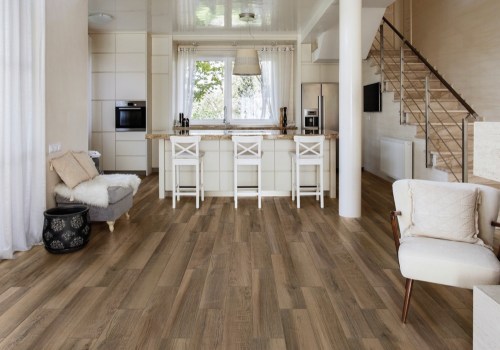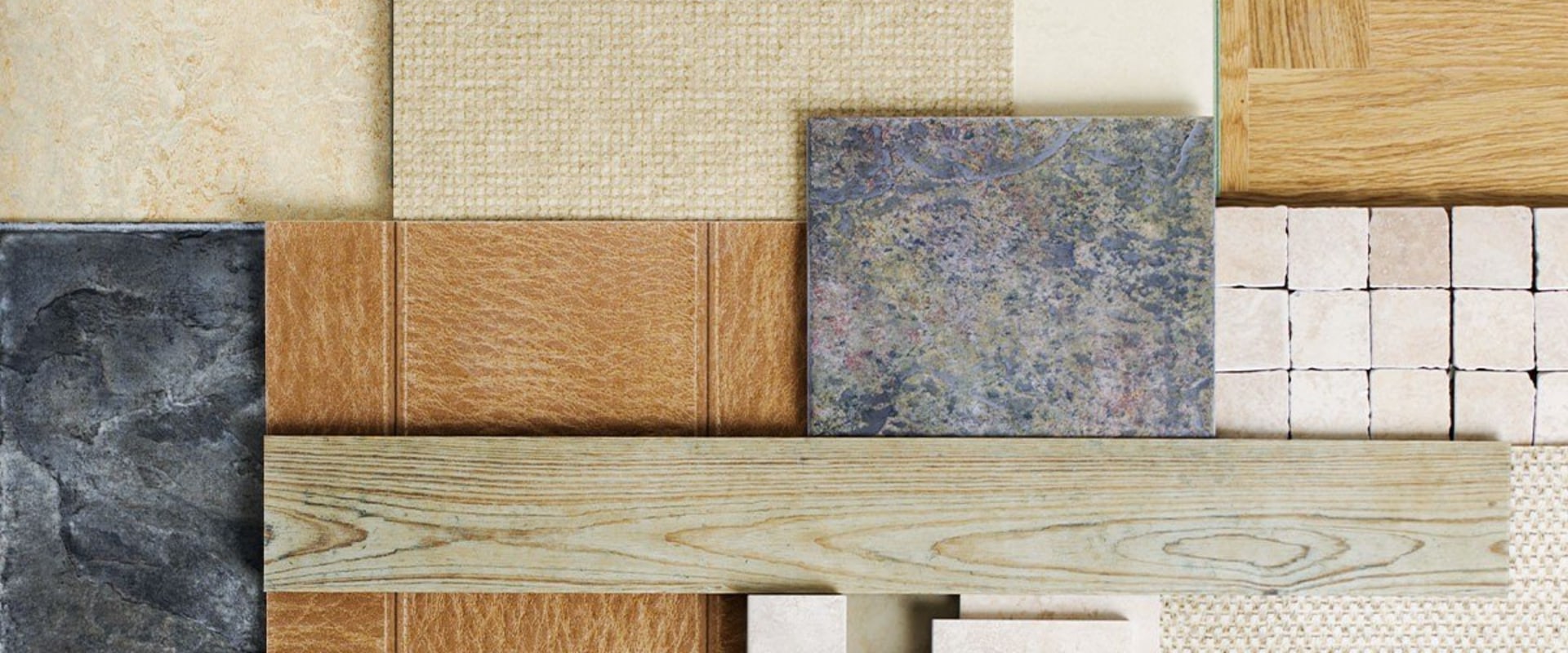
When it comes to selling a home, the significance of flooring cannot be overstated. It serves as the foundation of a room's aesthetic and functionality, influencing not only the overall ambiance but also the perceived value of the property. Buyers often form their first impressions within moments of entering a home, and the flooring is one of the first elements they notice. A well-chosen flooring option can create an inviting atmosphere, while poor choices can detract from a home's appeal.The impact of flooring on home resale value is profound.
Potential buyers are not just looking for a place to live; they are seeking a space that feels comfortable and reflects their style. Flooring plays a crucial role in this perception. For instance, homes with high-quality hardwood floors often command higher prices and sell more quickly than those with outdated or damaged flooring. This is because buyers associate quality flooring with durability and low maintenance, which are highly desirable traits in a home.Moreover, different types of flooring can cater to various buyer preferences and lifestyles.
For example, families with children or pets may prioritize durability and ease of cleaning, while others might seek the elegance and warmth that hardwood provides. Understanding these nuances is essential for homeowners looking to maximize their investment. By selecting the right flooring, sellers can not only enhance their home's visual appeal but also significantly boost its market value.
Top Flooring Options That Boost Resale Value
When it comes to enhancing your home's resale value, the choice of flooring plays a pivotal role. Buyers often form their first impressions based on the flooring they see, making it essential to select options that not only appeal aesthetically but also offer durability and practicality.Below, we delve into three of the most sought-after flooring types that can significantly boost your home's market appeal.
1.Hardwood Flooring
Hardwood flooring
remains a top contender for homeowners looking to maximize resale value. Its natural beauty and timeless appeal make it a favorite among buyers. Here are some key benefits:
- Durability: Hardwood is known for its longevity. With proper care, it can last for decades, making it a worthwhile investment.
- Refinishing: Unlike many other flooring types, hardwood can be sanded and refinished multiple times, allowing homeowners to restore its original luster.
- Increased Home Value: Studies show that homes with hardwood floors tend to sell faster and at higher prices compared to those with carpet or other flooring options.
2.Laminate Flooring
If you're seeking a cost-effective alternative that still offers high resale value, laminate flooring is an excellent choice.This synthetic option mimics the appearance of hardwood while providing several advantages:
- Affordability: Laminate is generally less expensive than hardwood, making it accessible for budget-conscious homeowners.
- Variety: Available in numerous styles and finishes, laminate can easily complement any home decor.
- Easy Maintenance: Its surface is resistant to scratches and stains, making it ideal for families with children or pets.
3.Tile Flooring
Tile flooring
, particularly ceramic and porcelain varieties, is another popular choice that appeals to many buyers. Its versatility and durability make it suitable for various areas in the home:
- Water Resistance: Tile is inherently moisture-resistant, making it perfect for kitchens and bathrooms where spills are common.
- Low Maintenance: Tiles are easy to clean and maintain, which is a significant selling point for busy households.
- Aesthetic Appeal: With countless designs available, tile can enhance the visual appeal of any room, adding character and style.
Hardwood Flooring: A Timeless Investment
When it comes to enhancing the aesthetic appeal and overall value of a home, hardwood flooring stands out as a premier choice. Its natural beauty and timeless elegance make it a favorite among homeowners and potential buyers alike.Not only does hardwood flooring create a warm and inviting atmosphere, but it also offers numerous benefits that contribute to its status as a wise investment.
Aesthetic Appeal
One of the most compelling reasons to choose hardwood flooring is its unmatched aesthetic appeal. Available in a variety of species, colors, and finishes, hardwood can complement any interior design style—from rustic to modern. The unique grain patterns and textures of hardwood add character and depth to spaces, making them feel more luxurious. According to a survey by the National Association of Realtors, 54% of homebuyers are willing to pay more for a home with hardwood floors, highlighting their desirability in the real estate market.
Durability and Longevity
Hardwood flooring is renowned for its durability.
When properly maintained, it can last for decades, even centuries. Unlike other flooring options that may wear out or become outdated over time, hardwood can be refinished multiple times to restore its original luster. This longevity not only makes it a practical choice for families but also enhances its resale value. Homes with hardwood floors often sell faster and at higher prices compared to those with carpet or laminate.
Resale Value
Investing in hardwood flooring can yield significant returns when it comes time to sell your home.
According to the Real Estate Staging Association, homes with hardwood floors can recoup up to 80% of their initial investment upon resale. This statistic underscores the importance of choosing quality materials that appeal to buyers. In contrast, homes with carpet may see diminished value due to perceptions of cleanliness and maintenance.
Hardwood vs. Other Flooring Options
- Hardwood vs.
Laminate:
While laminate flooring offers a cost-effective alternative that mimics the look of wood, it lacks the authenticity and longevity of real hardwood. Buyers often prefer genuine materials, which can lead to higher offers for homes with hardwood. - Hardwood vs. Tile: Tile is an excellent choice for moisture-prone areas like bathrooms and kitchens; however, it can feel cold and uninviting compared to the warmth of hardwood. Additionally, tile installation can be more expensive than hardwood.
- Hardwood vs.
Carpet:
Carpet may provide comfort underfoot but tends to trap allergens and requires regular cleaning. In contrast, hardwood is easier to maintain and appeals more broadly to health-conscious buyers.
Laminate Flooring: Affordable Yet Attractive
When it comes to enhancing your home’s appeal without breaking the bank, laminate flooring stands out as a top contender. This versatile flooring option not only mimics the look of more expensive materials like hardwood but also offers a range of benefits that make it an attractive choice for homeowners looking to maximize their resale value.Advantages of Laminate Flooring
- Cost-Effective: One of the most significant advantages of laminate flooring is its affordability.
Compared to hardwood, laminate can be installed at a fraction of the cost, making it an ideal choice for budget-conscious homeowners.
- Design Versatility: Laminate flooring comes in a wide variety of styles, colors, and textures. Whether you prefer the rustic charm of oak or the sleek look of modern gray tones, there’s a laminate option to suit every aesthetic.
- Durability: Laminate is designed to withstand heavy foot traffic, making it suitable for busy households. Its resistance to scratches and dents ensures that it maintains its appearance over time, which is a crucial factor for potential buyers.
- Easy Maintenance: Unlike hardwood, which may require refinishing and special cleaning products, laminate flooring is incredibly easy to maintain. Regular sweeping and occasional mopping are usually all that’s needed to keep it looking pristine.
- Quick Installation: Many laminate flooring products feature a click-lock installation system, allowing for a faster and more straightforward setup.
This can save you both time and labor costs if you choose to hire professionals.
Laminate Flooring and Resale Value
While some may question whether laminate flooring can compete with hardwood in terms of resale value, the truth is that well-chosen laminate can still attract buyers. Many prospective homeowners appreciate the modern look and low maintenance associated with laminate options. Additionally, if installed correctly and maintained well, laminate can enhance your home’s overall appeal.
Budget-Friendly Flooring Options
If you’re considering upgrading your flooring but are wary of high costs, laminate provides an excellent balance between quality and affordability. It allows homeowners to achieve a stylish look without overspending.
When showcasing your home to potential buyers, highlighting the benefits of laminate flooring can help them see its value as a practical choice.In conclusion, laminate flooring is not just an economical alternative; it’s a smart investment that can enhance your home’s aesthetic while appealing to a broad range of buyers. With its numerous advantages—from design versatility to ease of maintenance—laminate flooring proves that you don’t have to sacrifice style for budget.
Tile Flooring: Versatile and Durable Choices
When it comes to flooring options that combine aesthetics with functionality, tile flooring stands out as a top contender. Its versatility and durability make it an ideal choice for various areas in the home, particularly in spaces that experience high moisture or foot traffic.Benefits of Tile Flooring
- Durability: Tile flooring is renowned for its strength and longevity. Made from materials like ceramic and porcelain, tiles can withstand heavy use without showing signs of wear and tear.
- Moisture Resistance: One of the most significant advantages of tile is its ability to resist moisture.
This makes it an excellent choice for bathrooms, kitchens, and laundry rooms where spills and humidity are common.
- Easy Maintenance: Tile floors are easy to clean and maintain. A simple sweep and occasional mopping are usually all that's needed to keep them looking pristine.
- Variety of Styles: Available in a wide range of colors, patterns, and textures, tile flooring can complement any home decor style—from modern to traditional.
Tile Resale Value
Investing in tile flooring can significantly enhance your home's resale value. Potential buyers often appreciate the low maintenance and durability that tile offers. According to real estate experts, homes featuring high-quality tile flooring tend to sell faster and at higher prices compared to those with less desirable flooring options.
Best Tile Options for Homes
When selecting tile flooring, consider the following popular options:
- Ceramic Tile: This is one of the most common types of tile used in homes.
It is versatile, affordable, and available in countless designs. Ceramic tiles are suitable for both walls and floors.
- Porcelain Tile: Known for its density and durability, porcelain tile is an excellent choice for high-traffic areas. It is less porous than ceramic, making it even more resistant to moisture.
- Natural Stone Tile: Options like granite, marble, and slate offer a luxurious look but require more maintenance. They are ideal for homeowners looking to make a statement with their flooring.
Whether you opt for ceramic, porcelain, or natural stone tiles, you can be confident that your investment will pay off in the long run.
Factors to Consider When Choosing Flooring for Resale Value
When it comes to selecting the right flooring for your home, especially with resale value in mind, several critical factors come into play. Understanding these elements can help you make an informed decision that not only enhances your living space but also appeals to potential buyers.Budget Constraints
Your budget is one of the most significant factors influencing your flooring choice. Flooring options vary widely in price, and it’s essential to find a balance between quality and affordability. While hardwood flooring is often seen as a premium choice that can boost resale value, it may not fit every budget.On the other hand, laminate flooring offers a cost-effective alternative that mimics the look of wood without the hefty price tag.Before making a decision, consider not just the initial cost of the flooring but also long-term maintenance expenses. For instance, while tile may have a higher upfront cost, its durability and low maintenance can make it a wise investment over time.
Lifestyle Needs
Your lifestyle plays a crucial role in determining the best flooring for your home. If you have children or pets, you’ll want to choose materials that can withstand wear and tear.Laminate
and tile are excellent choices in such scenarios due to their durability and ease of cleaning.They resist scratches and stains better than softer materials like carpet or hardwood.Additionally, consider how much time you spend at home and how you use your space. For example, if you frequently entertain guests or have a busy household, opting for flooring that can handle high foot traffic is essential. In contrast, if your home is more of a quiet retreat, you might prioritize aesthetics over durability.
Regional Climate Considerations
The climate in your area can significantly impact your flooring choice. In regions with high humidity or frequent rainfall, materials like hardwood may be prone to warping or damage from moisture.In such cases, tile or vinyl flooring could be more suitable options as they are resistant to moisture and easier to maintain in wet conditions.Conversely, in colder climates, consider how different materials retain heat. Carpeting can provide warmth underfoot during chilly months, while tile may feel cold unless paired with radiant heating systems. Understanding your local climate will help you select flooring that not only looks good but also performs well throughout the year.In summary, when choosing flooring for resale value, take into account your budget constraints, lifestyle needs, and regional climate considerations. By carefully evaluating these factors, you can select flooring that enhances both your home’s appeal and its market value.
The Role of Trends in Flooring Choices
In the ever-evolving world of home design, flooring trends play a pivotal role in shaping buyer preferences.As we move through 2023, understanding these trends can significantly enhance your home's appeal and resale potential. Buyers today are not just looking for functionality; they are also seeking aesthetics that resonate with contemporary styles.One of the most notable trends this year is the rise of natural materials. Homeowners are increasingly gravitating towards flooring options that reflect a connection to nature. This includes materials like bamboo, cork, and reclaimed wood, which not only offer durability but also bring warmth and character to a space.
The organic look of these materials aligns with the growing interest in sustainability, making them attractive to eco-conscious buyers.Another trend gaining traction is the use of large-format tiles. These tiles create a seamless look that can make spaces appear larger and more open. Available in various materials, including porcelain and ceramic, large-format tiles are particularly popular in kitchens and bathrooms. Their minimal grout lines contribute to a clean aesthetic, which is highly sought after in modern home design.
Color choices
are also evolving.
While traditional wood tones remain popular, there is a noticeable shift towards lighter shades and even bold colors. Light-colored flooring can brighten up a room and create an airy feel, while darker hues add sophistication and depth. Additionally, patterned flooring is making a comeback, with geometric designs and intricate mosaics appealing to buyers looking for unique touches.Moreover, the trend of luxury vinyl planks (LVP) continues to rise. LVP mimics the appearance of hardwood or stone at a fraction of the cost while offering superior durability and water resistance.
This makes it an ideal choice for families or those living in areas prone to moisture.Staying updated with these popular flooring styles not only enhances your home's aesthetic but also positions it favorably in the competitive real estate market. Buyers are more likely to be drawn to homes that reflect current design sensibilities, making it essential for homeowners to consider these trends when selecting flooring options.In conclusion, understanding the latest flooring trends can significantly impact your home's resale value. By choosing materials and styles that resonate with today's buyers, you can create an inviting atmosphere that enhances both appeal and marketability.
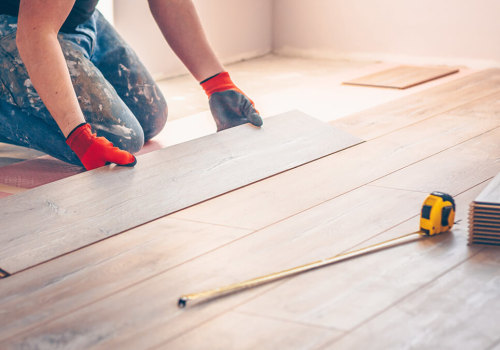
DIY vs Professional Installation: What You Need to Know
When it comes to installing new flooring, homeowners often face a critical decision: should they tackle the project themselves or hire a professional? Both options have their merits and drawbacks, and understanding these can help you make an informed choice that aligns with your budget, skill level, and long-term goals.Cost Implications
One of the most significant factors influencing the decision between DIY and professional installation is cost. DIY installation can save you money on labor costs, which can be substantial depending on the type of flooring and the complexity of the installation.For instance, while hiring a professional might cost anywhere from $2 to $6 per square foot for labor alone, doing it yourself could reduce this expense to just the cost of materials.However, it’s essential to consider the hidden costs associated with DIY projects. These may include:
- Tools and Equipment: If you don’t already own the necessary tools, purchasing or renting them can add to your expenses.
- Time Investment: DIY projects often take longer than anticipated, which can lead to lost time that could be spent on other important tasks.
- Potential Mistakes: Errors in installation can lead to costly repairs or replacements down the line.
Quality Considerations
The quality of installation is another crucial factor that can significantly impact your home’s resale value. Professional installers bring experience and expertise that can ensure a flawless finish. They are familiar with various flooring materials and understand the nuances of each type, which can lead to better results compared to a novice attempt.For example, improper installation of hardwood flooring can result in gaps, warping, or squeaking sounds, all of which can deter potential buyers.On the other hand, a well-installed floor enhances aesthetic appeal and functionality, making your home more attractive in the competitive real estate market.
Benefits of Professional Installation
While DIY projects can be rewarding, there are several compelling reasons to consider professional installation:- Expertise: Professionals have extensive training and experience that allow them to handle unexpected challenges effectively.
- Warranty Protection: Many flooring manufacturers require professional installation for warranty coverage. This means that if something goes wrong with your flooring, you may not be covered if you installed it yourself.
- Time Efficiency: Professionals can complete installations much faster than most homeowners due to their skills and access to specialized tools.
Maintaining Your Flooring for Long-Term Value
Maintaining your flooring is crucial for preserving its appearance and longevity, which in turn can significantly enhance your home's resale value.Each type of flooring requires specific care to keep it looking its best. Here are some tailored maintenance tips for hardwood, laminate, and tile flooring.
Hardwood Flooring Maintenance
Hardwood floors are known for their beauty and durability, but they do require regular upkeep to prevent scratches and wear:- Regular Cleaning: Sweep or vacuum your hardwood floors weekly to remove dirt and debris. Use a soft-bristle broom or a vacuum with a hardwood setting to avoid scratching the surface.
- Moisture Control: Keep your hardwood floors dry. Wipe up spills immediately and use a damp mop with a pH-neutral cleaner designed for wood floors.
Avoid excessive water, as it can warp the wood.
- Refinishing: Depending on foot traffic, consider refinishing your hardwood floors every 5-10 years. This process restores their shine and removes scratches.
Laminate Flooring Maintenance
Laminate flooring is a popular choice due to its affordability and ease of maintenance. Here’s how to keep it in top shape:- Daily Care: Dust or vacuum regularly to prevent dirt buildup. A microfiber mop can also be used for deeper cleaning without damaging the surface.
- Avoid Excessive Water: Like hardwood, laminate should not be exposed to excessive moisture.
Use a damp mop with a laminate-safe cleaner for occasional deep cleaning.
- Prevent Scratches: Place felt pads under furniture legs and avoid dragging heavy items across the floor to minimize scratches.
Tile Flooring Maintenance
Tile flooring is highly durable but requires specific care to maintain its appearance:- Regular Sweeping: Sweep or vacuum tile floors frequently to remove dirt and debris that can scratch the surface.
- Grout Care: Clean grout lines regularly with a mixture of baking soda and vinegar or a commercial grout cleaner to prevent staining and discoloration.
- Mopping: Use a damp mop with a pH-neutral cleaner designed for tile surfaces. Avoid harsh chemicals that can damage the finish.
<strong>Conclusion</strong>: The Lasting Impact of Flooring on Resale Value
In conclusion, the impact of flooring on your home's resale value cannot be overstated. Throughout this article, we have explored various flooring options, including hardwood, laminate, and tile, each offering unique benefits that cater to different buyer preferences.The right choice in flooring not only enhances the aesthetic appeal of your home but also plays a crucial role in determining its market value.To recap, hardwood flooring stands out as a premium choice that consistently attracts buyers due to its timeless elegance and durability. Its ability to be refinished multiple times adds to its longevity, making it a worthwhile investment for homeowners looking to maximize their property's value. On the other hand, laminate flooring provides an affordable alternative that mimics the look of hardwood while offering impressive durability and ease of maintenance. This makes it particularly appealing for families with children or pets.Tile flooring, with its versatility and resistance to moisture, is another excellent option for high-traffic areas such as kitchens and bathrooms.
Its easy maintenance and variety of styles make it a practical choice for many homeowners.When considering your flooring options, it's essential to take into account factors such as your budget, lifestyle needs, and the specific characteristics of your home's location. Each of these elements can significantly influence the effectiveness of your flooring choice in enhancing resale value.Ultimately, investing time and resources into selecting the right flooring can yield substantial returns when it comes time to sell your home. As you weigh your options, remember that the right flooring not only elevates your living space but also positions your property favorably in the competitive real estate market.In summary, whether you opt for the classic charm of hardwood, the practicality of laminate, or the versatility of tile, making an informed decision about your flooring can lead to a more profitable sale in the future. Take these insights into account as you plan your renovations and prepare for a successful home sale.